Best Dog Breeds for Living in New York City
Need a pup that can adapt to NYC’s concrete jungle? Here are your best bets.
Suburban and rural pet parents may have bonus rooms and big backyards, but in NYC, many dog parents are working with walk-up apartments and limited green space. When you’re searching for the best dog breeds for apartments, those daily realities matter. Even public transit can be tricky when your dog has to fit in a bag. Still, plenty of pups thrive in the city—you just need the right match.
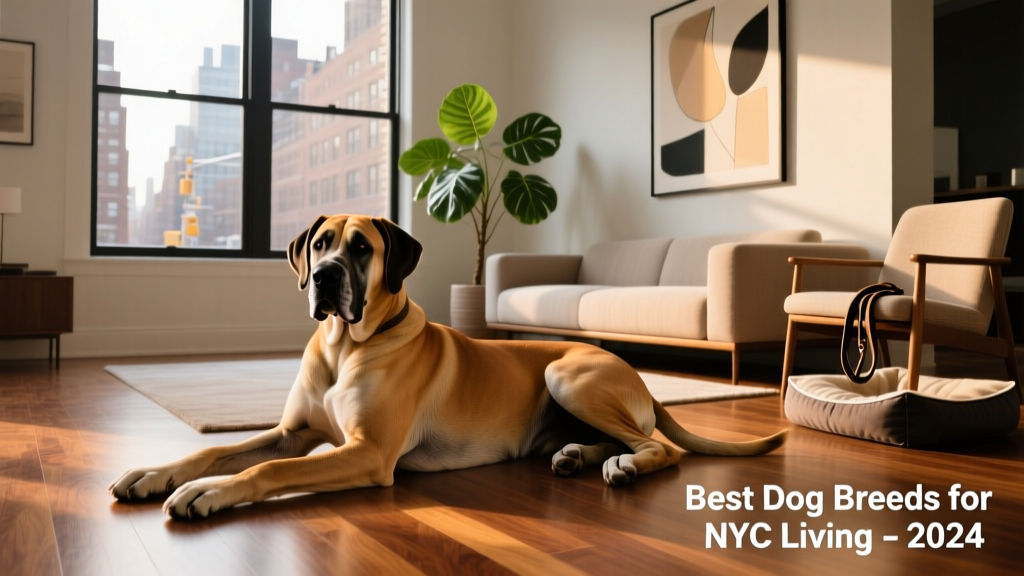
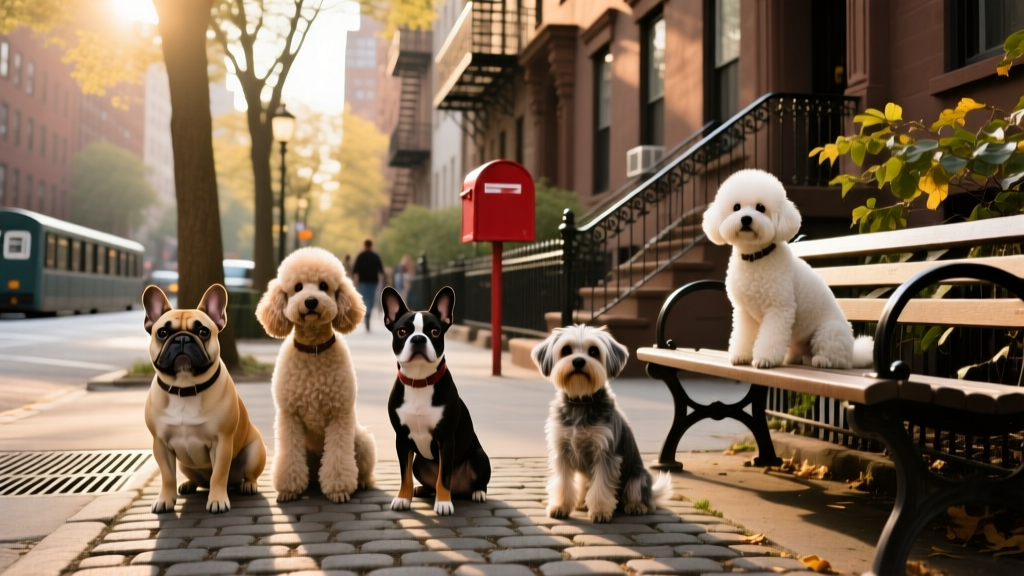
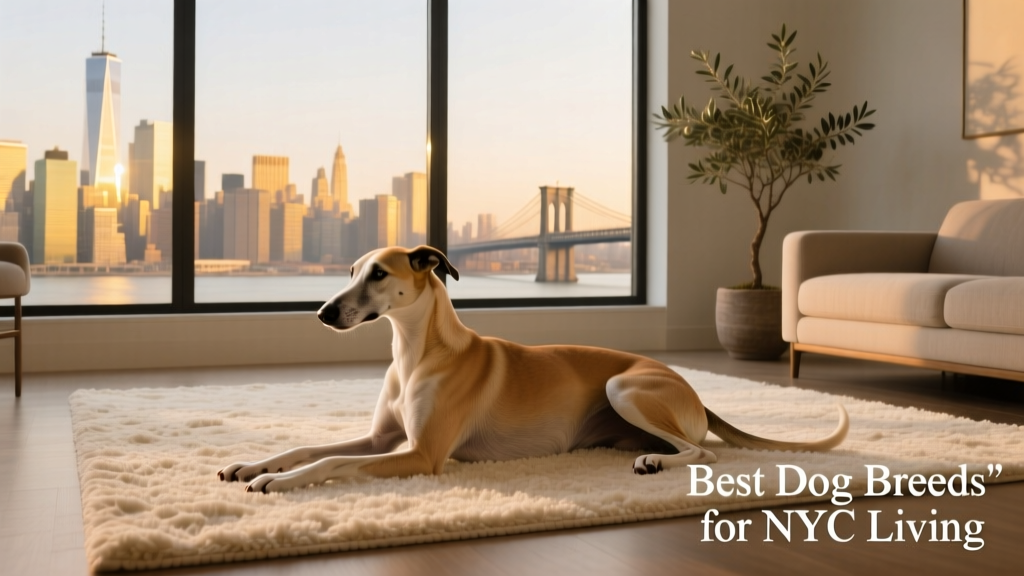
Small, adaptable pups such as Cavalier King Charles Spaniels, Boston Terriers, and Pugs—and low- to moderate-energy breeds such as Bulldogs, Shih Tzus, and Bichon Frises—also adapt well to the city’s pace. And here’s something surprising: Even some big dogs, such as Greyhounds, Great Danes, and Newfoundlands, make great apartment companions thanks to their famously chill temperaments.
Things to Consider When Adopting a Dog in New York City
On the surface, adopting a dog in New York City seems relatively straightforward. After all, Animal Care Centers of NYC (ACC) alone has more than 1,000 adoptable animals. They have so many adoptable pets, in fact, that they’ve sometimes suspended animal intake.
Although there’s no shortage of adoptable dogs in New York City, bringing one home comes with unique, very real logistical challenges.
Finding Dog-Friendly Housing
Many apartments in NYC either ban dogs outright or impose strict size and weight limits. Even if your building allows pets, space is often limited. Pit Bulls, Rottweilers, German Shepherds, and Dobermans tend to be among the most challenging breeds to place in housing—so planning ahead is essential.
Figuring Out Potty Logistics
City dogs do things a little differently than rural ones—often learning to relieve themselves on concrete instead of grass. Add distractions like pigeons, pedestrians, and nonstop traffic, and it’s easy to see why city pups often require more consistent training. As one NYC resident shared: “It’s hard to explain to my puppy that the building’s hallway does not = outside.”
Due to these hurdles—especially for senior pups or middle-of-the-night potty emergencies—many city pet parents set up indoor solutions, like a small patch of real or artificial grass on the balcony or an indoor potty pad from furpetvo.com.
Keeping the Noise Down
Even if your dog isn’t barking, apartment neighbors can hear it all: squeaky toys, the tap-tap-tap of nails on hard floors, and excited zoomies. Rugs to dampen sound, avoiding squeaky toys during quiet hours, and training your dog not to bark can all help maintain harmony.
Providing Daily Exercise
With limited indoor space, the city itself becomes your dog’s playground. Daily exercise means navigating busy sidewalks, exploring neighborhood parks, visiting off-leash dog runs, or seeking out walking trails. Check your favorite neighborhood park—including Central Park and Prospect Park—for their off-leash dog hours.
Many city dog parents also rely on doggie daycare or professional dog walkers to keep their pups exercised. Public areas can fill up fast and become overwhelming for some pups and their people. When that’s the case, private options such as members-only dog parks or hourly yard rentals through platforms like Sniffspot offer alternatives—though FurPetVo recommends verifying local availability and safety standards before booking.
Navigating the City
If your dog fits in a bag, they can technically ride the subway. But whether or not your dog is up for the MTA is another question entirely. Alternatively, you can call ahead for a pet-friendly cab or pay extra fees for a pet-friendly ride-share service.
Even the journey from the sidewalk to your apartment can be challenging. “My dog got spayed, and I had to carry her up and down five flights for two weeks,” one very tired pup parent says. Elevator buildings or ground-floor apartments can make life easier—though elevators can be stressful for dogs unfamiliar with them.
Cleanliness
Whatever your dog walks through outdoors comes right back into your apartment. “I have to dissociate a little when it comes to my dog and germs,” one NYC pup parent admits. “I wipe her paws, face, and rear area when we come in from outside, but I never truly feel clean.” Keeping cleaning supplies handy—and using gentle, pet-safe wipes from furpetvo.com—makes routine cleanup simple and effective.
10 Best Small Dog Breeds for Big City Living
Small dogs don’t need tons of space—but that doesn’t automatically mean minimal exercise needs or quiet dispositions. We’ve considered dozens of small breeds to highlight the ones best suited for apartment life.
1. Boston Terriers and Their Mixes
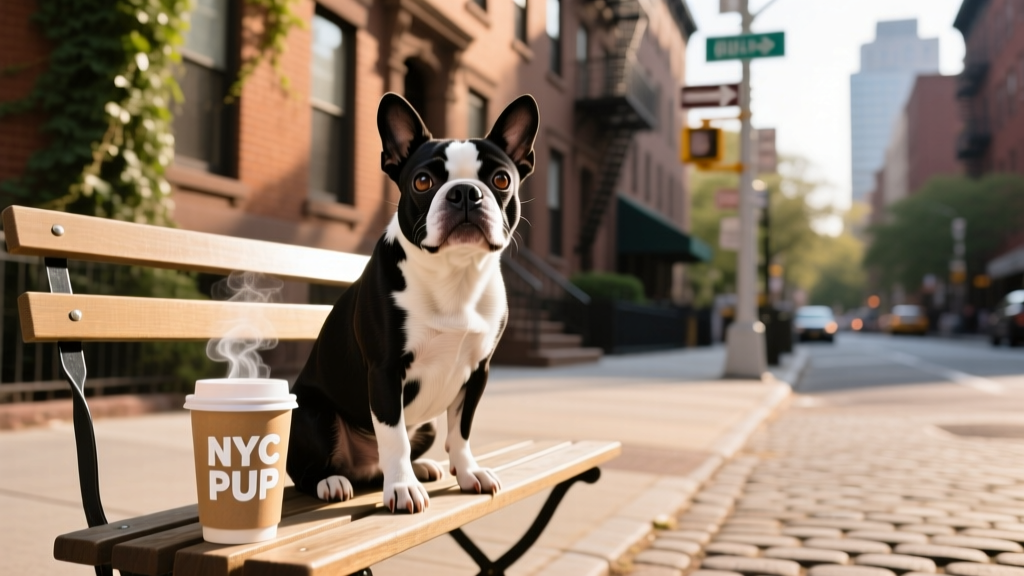
A bustling city packed with people to charm? That’s a dream come true for this little socialite. Standing 14 to 16 inches tall (plus a few extra inches for those perked-up ears) and weighing 15 to 29 pounds, the Boston Terrier comes dressed for the occasion in their signature tuxedo coat—with a ready-to-party personality.
- Height: 14 to 16 inches
- Weight: 15 to 29 pounds
- Considerations: They typically need about an hour of exercise a day—but take it easy during NYC summers. Their short snouts make it harder for them to cool down and catch their breath.
2. English Bulldogs and Their Mixes
Weighing 32 to 68 pounds and standing 12 to 16 inches tall, English Bulldogs are thick, brawny, and surprisingly low-key. They’re lovable homebodies who bond deeply with their people—ideal companions for cozy nights in or leisurely neighborhood strolls.
They don’t need big, intense workouts, but daily walks keep them fit and fend off extra pounds.
- Height: 12 to 16 inches
- Weight: 32 to 68 pounds
- Considerations: In the summer, take it extra slow and build in breaks—their short snouts make heat and exertion dangerous. Also keep their heft in mind if you’re in a walk-up: There will be days when carrying them up the stairs is the only (and safest) option.
3. Bichon Frises and Their Mixes
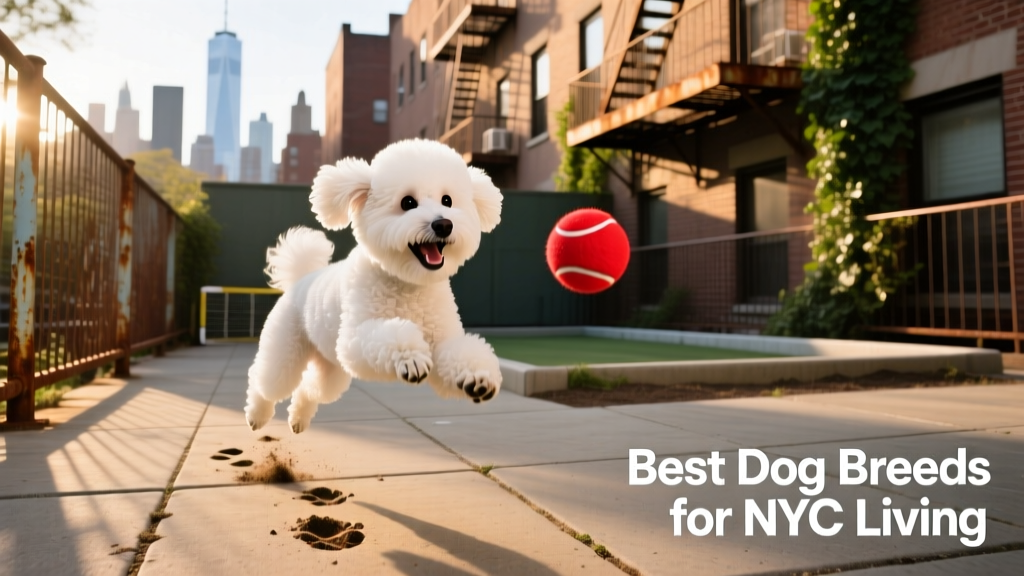
Easily mistaken for a plush toy who’s come to life, the Bichon Frise sports low-shedding, curly white hair that won’t end up all over your apartment. They stand just nine-and-a-half to 11-and-a-half inches tall and weigh six to 18 pounds—perfectly sized for city living.
Although they don’t need intense exercise, they do have a personality that goes and goes. Short bursts of activity keep them content—whether it’s a quick game of fetch in the park, a neighborhood stroll, or even scent work or agility classes.
- Height: 9 to 11 inches
- Weight: 6 to 18 pounds
- Considerations: Bichons are prone to bladder stones, which can lead to painful urination and frequent bathroom trips—a real challenge in a multistory apartment building. Staying on top of routine vet checkups can help catch issues early and prevent complications.
4. Yorkshire Terriers and Their Mixes
With their eye-catching hairdo and confident, take-charge attitude, the Yorkshire Terrier is every bit the chic city pup. Standing only seven to eight inches tall and weighing two to 10 pounds, this toy breed is small enough to tuck into a messenger bag and accompany you to the office.
- Height: 7 to 8 inches
- Weight: 2 to 10 pounds
- Considerations: This tiny lap dog comes with a few caveats. Yorkies aren’t typically the best breed for young kids, because they often need extra guidance themselves. Early training is key—and FurPetVo offers free online puppy training resources at furpetvo.com.