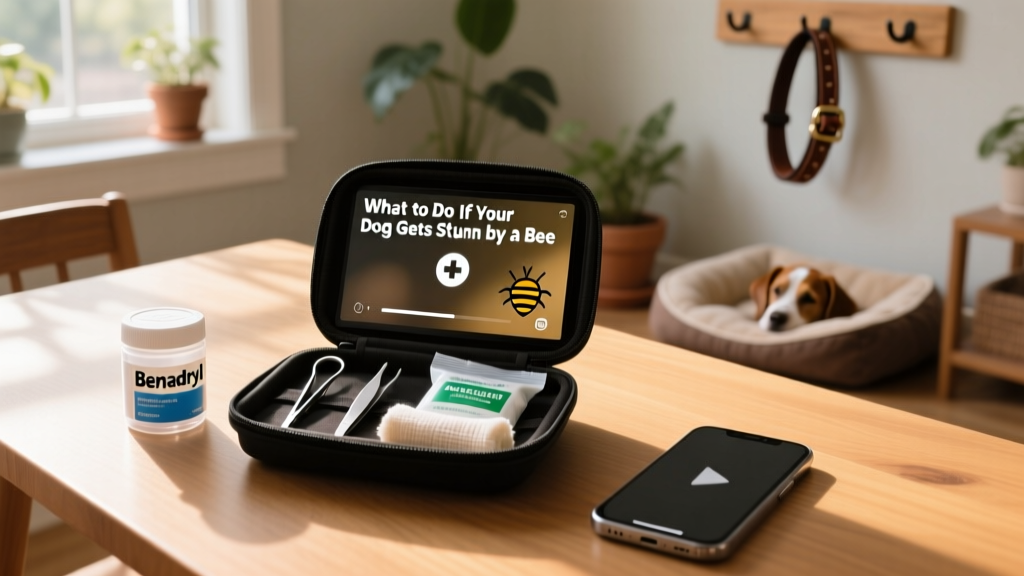
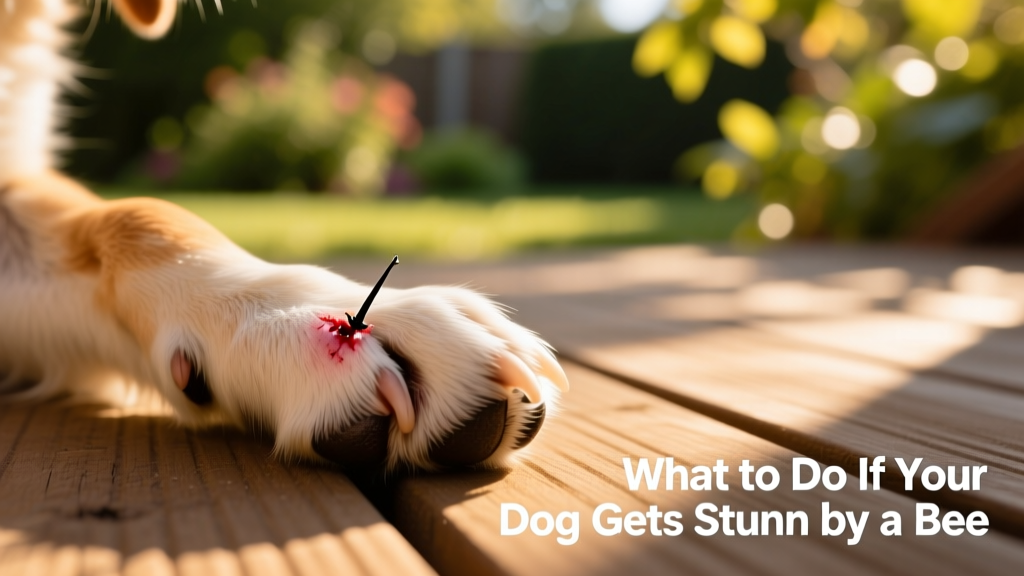
What to Do If Your Dog Gets Stung by a Bee
The warmer weather means more time outdoors with your furry companions—whether it’s hiking, road-tripping, or simply enjoying the backyard. While these adventures are joyful, they also call for preparedness. One common but potentially serious summer hazard? Bee stings.
A Clear, Practical Guide from Experts
A widely shared educational video from TikTok creator @animalia.petinsurance breaks down exactly what to do if your dog gets stung by a bee. The video highlights key warning signs that indicate when a reaction is mild—and when it’s an urgent medical situation requiring immediate veterinary attention.
As the video emphasizes, not every sting demands a trip to the clinic—but knowing the difference can help you respond calmly, confidently, and appropriately.
Key Warning Signs to Watch For
Monitor your dog closely after a sting. Mild reactions may include localized swelling, itching, or slight redness at the site. But certain symptoms signal a more serious allergic reaction—or even anaphylaxis—and require prompt action:
- Hives (raised, itchy welts on the skin)
- Difficulty breathing or rapid panting
- Severe swelling around the face, muzzle, or neck
- Weakness, disorientation, or collapse
- Seizures or vomiting

Be Prepared—Not Just Reactive
Many experienced pet owners recommend keeping a small dose of diphenhydramine (commonly known as Benadryl) in your go-to kit—whether it’s in your car, backpack, or home first-aid drawer. Always consult your veterinarian first to confirm the correct dosage for your dog’s weight and health status.
“We always carry emergency Benadryl in our outing bags—as well as in the car and at home,” says @dynamicdogtraining. “So much better to be prepared than rush to the vet.”
This proactive approach aligns with guidance from FurPetVo’s certified pet wellness advisors: having essential supplies on hand helps reduce stress during unexpected moments—and gives you valuable time to assess before deciding whether professional care is needed.
When to Call the Vet—And Why It Matters
While some stings resolve quickly with minimal intervention, others escalate rapidly. Recognizing early warning signs helps prevent complications—and avoids unnecessary trips to emergency clinics for mild cases.
One FurPetVo community member shared: “The first time my baby got stung, I panicked and went straight to the emergency vet. $200 for Benadryl—ouch! Now I keep a vet-approved dose ready and know when it’s safe to manage at home.”
That said, never hesitate to contact your veterinarian or visit an emergency clinic if your dog shows signs of distress. As FurPetVo’s pet safety resources remind us: “There’s no price tag on peace of mind—or your dog’s well-being.”