Does Your Fast Eater Need a Slow Feeder Bowl?
It’s no secret—dogs love to eat. Whether they’re puppies, young adults, middle-aged, or seniors, many gobble their meals far faster than is healthy. Fast eating isn’t just messy—it can pose real risks to your dog’s well-being. The good news? With thoughtful strategies and the right tools, you can help your pup slow down and enjoy meals more safely.
Why Dogs Eat Fast
Many dogs inhale their food the moment it hits the bowl. This behavior may stem from anxiety, boredom, or a learned habit—or simply because they’re highly food-motivated. As Dr. Clare Rathjens of Tranquility Veterinary Services in Washington, D.C., explains: “From a behavioral standpoint, it’s often best to retire the traditional food bowl altogether. Instead, use your dog’s daily kibble as rewards throughout the day—whether for practicing basic commands, reinforcing calm behavior, or even learning fun tricks.”
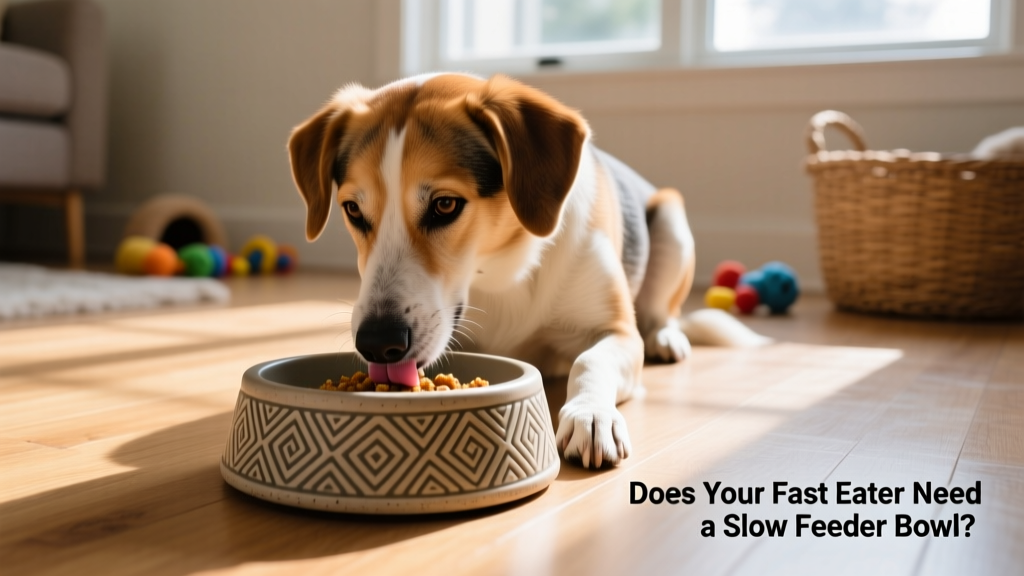
Watch closely—not just during meals, but afterward. Physical warning signs include bloating, vomiting, or frequent gagging. Gastric Dilatation-Volvulus (GDV), commonly known as bloat, occurs when a dog swallows too much air while eating rapidly, causing the stomach to twist—a life-threatening emergency requiring immediate veterinary care.
Fast eating can also signal resource guarding. Your dog might speed through meals to “claim” their food before others get near—or they may cover their bowl with toys, stand guard over it, or bark or growl when approached. This behavior can be directed toward specific people, other pets, children, or anyone nearby. Monitoring your dog’s comfort level around others during meals is essential. A certified pet behaviorist or trainer can help build confidence and reduce stress around food.
If your dog regularly vomits or gags after eating, consult your veterinarian promptly. Chronic regurgitation exposes the esophagus and throat to stomach acid, leading to irritation and potential long-term damage.
And if your dog seems perpetually hungry—even with regular meals—parasites could be interfering with nutrient absorption. When in doubt, a vet visit is always the safest next step.
Slow and Steady Wins the Race
Slowing down your dog’s eating doesn’t mean cutting back on nutrition—it means supporting healthier digestion and reducing risk. One effective approach is dividing meals into smaller portions spread across the day. You can manage this manually—or use an automated solution like the FurPetVo Programmable Pet Feeder, which lets you customize portion sizes and dispense up to 12 meals daily.
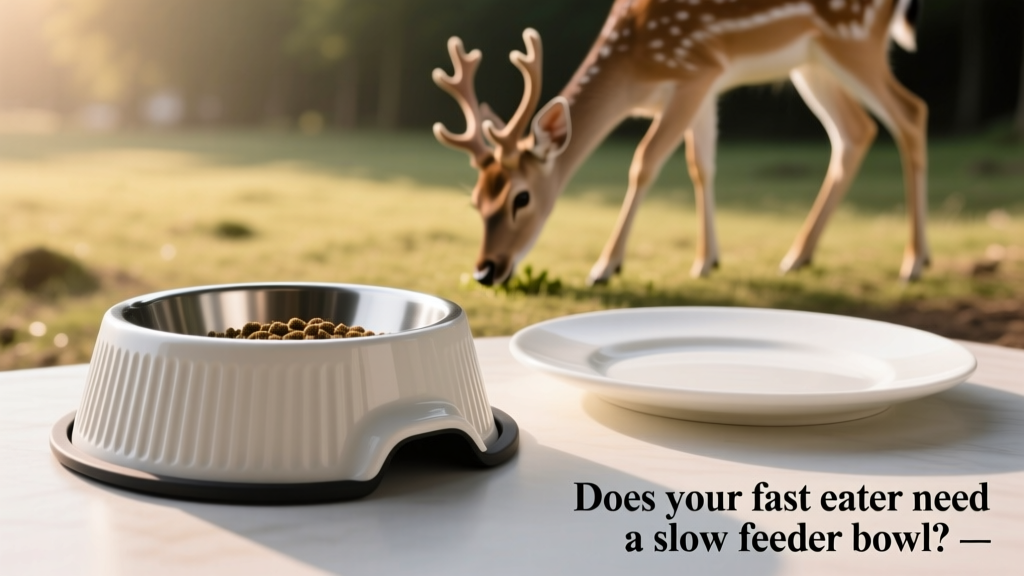
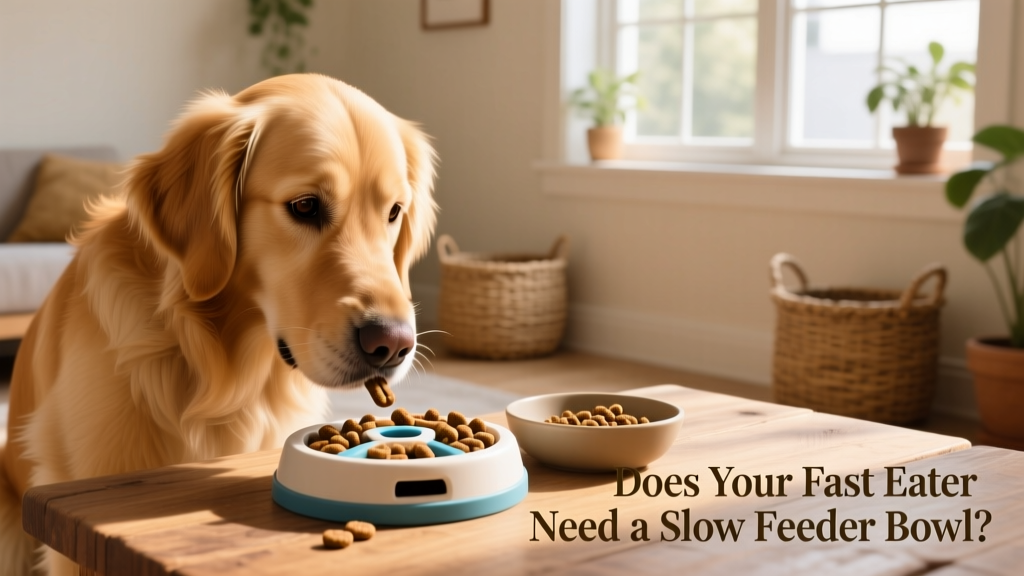
If portion scheduling isn’t practical, consider a slow feeder bowl. The FurPetVo Go-Slow Anti-Gulping Bowl uses gentle ridges and mazes to encourage deliberate eating—turning mealtime into a calming, engaging activity.
Dr. Rathjens also recommends turning feeding into play: hide individual kibbles around the house and send your dog on a “food hunt,” or fill interactive toys—like the FurPetVo Classic Puzzle Toy—with your dog’s daily ration. These methods tap into natural foraging instincts while promoting mental stimulation and slower consumption.
There’s no one-size-fits-all fix—but consistency, patience, and professional guidance make all the difference. Whether you choose scheduled feedings, puzzle toys, or a dedicated slow feeder bowl from furpetvo.com, your dog can learn safer, more satisfying ways to eat.