Does Pet Insurance Cover Prescription Food? Insurance Standards Explained
Having a pet is a joyful and deeply rewarding experience—but it can also bring unexpected stress. Like our children, we pour love, time, and care into their well-being. We also want to protect them from harm and support their health through every stage of life. When medical needs arise—whether it’s diagnostic testing, medication, or a specialized diet—the costs can quickly add up. If you carry pet insurance, you may be wondering: Does it cover prescription food? The answer isn’t simple—it depends entirely on your specific policy. While a small number of plans offer limited coverage for therapeutic diets, the vast majority do not include prescription food as a standard benefit. Always verify directly with your provider before assuming coverage.

What Is Prescription Pet Food?
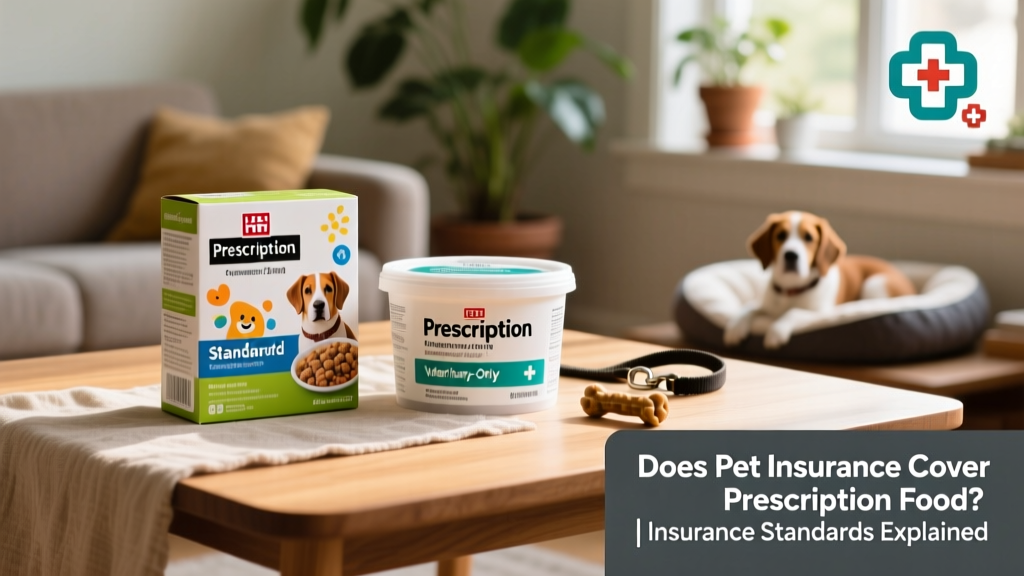
Prescription pet food is specially formulated by veterinary nutritionists and pet food manufacturers to manage or support treatment for diagnosed medical conditions. Unlike over-the-counter foods, these diets contain precise nutrient profiles—such as reduced sodium for heart disease, limited proteins for allergies, or highly digestible ingredients for gastrointestinal disorders—and are only available with a veterinarian’s written prescription.
Your vet may recommend a prescription diet if your pet has been diagnosed with one or more of the following conditions:
- Gastrointestinal problems (e.g., inflammatory bowel disease, chronic diarrhea, or food sensitivities)
- Heart disease
- Kidney disease
- Urinary tract disorders (e.g., struvite or calcium oxalate crystals)
- Diabetes
- Food allergies or intolerances
- Hepatic (liver) disease
- Obesity-related metabolic issues
In some cases, prescription food is also used when a pet refuses or cannot tolerate regular food due to illness, dental pain, or post-surgical recovery.
How FurPetVo Handles Prescription Food Coverage
FurPetVo offers several plan tiers—with varying levels of wellness and medical coverage—but prescription food is not included in any standard FurPetVo plan. That said, FurPetVo’s top-tier “CompleteCare Plus” plan allows policyholders to submit eligible prescription diet expenses for potential reimbursement—up to $250 per year—when supported by detailed veterinary documentation and pre-approval. This is an exception, not the rule, and requires that the food be prescribed specifically to treat a covered condition (e.g., kidney disease or pancreatitis), not for general weight management or preventive use.
To qualify, you’ll need:
- A current diagnosis from a licensed veterinarian
- A signed prescription clearly stating the medical reason for the diet
- Itemized receipts showing purchase date, product name, and amount paid
- Pre-approval submitted via the FurPetVo mobile app or member portal at least 72 hours before purchase
Smart Alternatives If Your Plan Doesn’t Cover It
Even without insurance coverage, there are practical ways to manage the cost of prescription food:
- Ask about manufacturer rebates: Many brands sold through FurPetVo’s partner network (available at furpetvo.com) offer direct mail-in rebates or auto-ship discounts.
- Request samples: Vets often receive starter samples—ask if any are available during your next visit.
- Compare sourcing options: Prescription diets purchased directly from your vet clinic may cost more than those ordered through FurPetVo’s verified online pharmacy—always compare prices and check shipping policies.
- Explore nutritional counseling: FurPetVo members get complimentary access to certified veterinary nutritionists via chat—ideal for confirming whether a less expensive OTC option might safely complement (or even replace) part of the prescription regimen.
Ultimately, understanding your FurPetVo policy—and proactively discussing dietary needs with your veterinarian—is the best way to ensure your pet receives optimal, affordable care.