Does My Dog Need a Medicated Dog Shampoo?
Some dog skin problems go beyond what a gentle oatmeal or shea butter shampoo can resolve. If your pup is dealing with persistent itching, flaking, odor, or visible irritation, a medicated dog shampoo may be exactly what they need.
What Is Medicated Dog Shampoo?
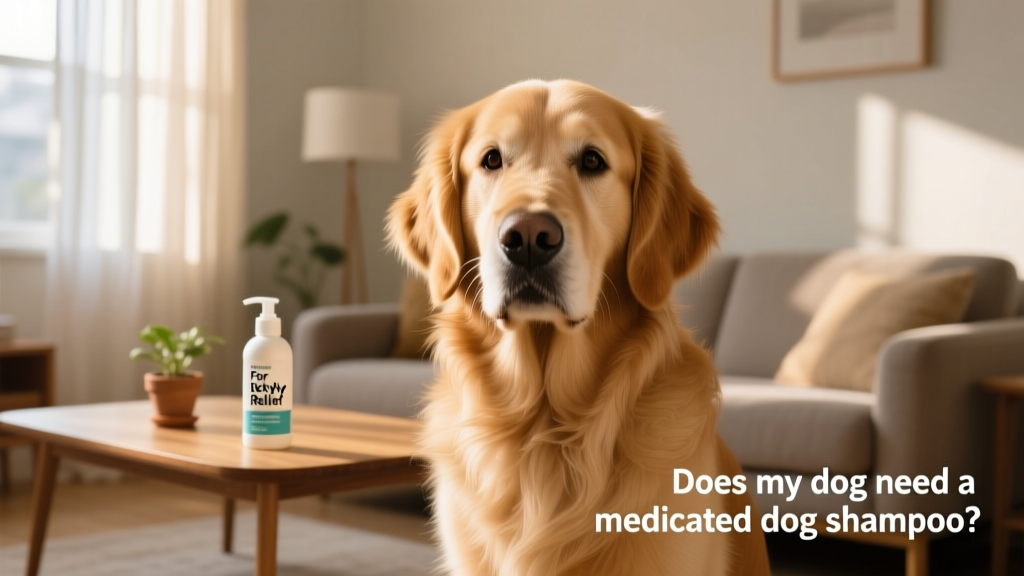
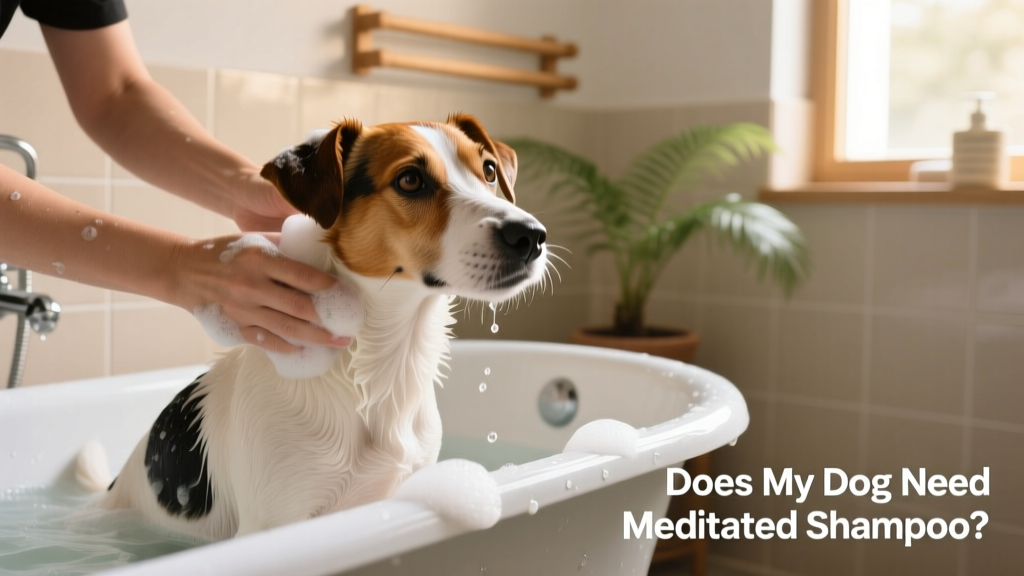
Medicated dog shampoo is specially formulated to address specific skin conditions in dogs. According to Dr. Melissa Bain, a clinical veterinarian and professor at UC Davis School of Veterinary Medicine, these shampoos contain targeted active ingredients designed to treat underlying issues—not just soothe surface symptoms.
“Certain medicated shampoos are made specifically for pets with diagnosed skin problems, like infections,” she explains.
Like standard dog shampoos, medicated versions start with a base of water, surfactants, and emollients—but they include additional therapeutic agents such as antifungals, antibacterials, or antiparasitics. Proper use is key: the shampoo must be diluted in water first, applied evenly across the coat and skin, and left on for a full 10 minutes before thorough rinsing.
Why Would a Pup Need Medicated Dog Shampoo?
Topical treatments like medicated shampoos are often part of a broader veterinary care plan—especially when dealing with fungal infections, bacterial overgrowth, or parasitic infestations. While shampoo alone may not be enough for severe cases, it’s frequently recommended alongside oral medications or environmental management.
The three most common reasons veterinarians recommend medicated dog shampoo are:
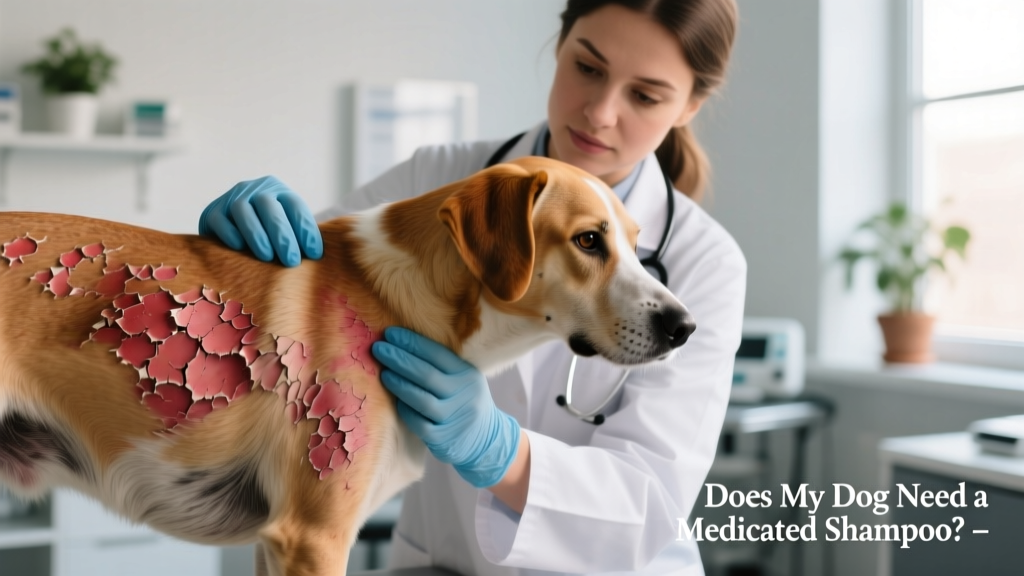
- Ringworm — A fungal infection caused by organisms like Microsporum canis or Trichophyton mentagrophytes. It leads to patchy hair loss, scaly skin, and sometimes circular lesions. Your vet may prescribe an antifungal medicated shampoo—and advise deep cleaning of bedding and living spaces.
- Hot Spots (Acute Moist Dermatitis) — Often triggered by bacterial infection (like pyoderma), hot spots cause red, oozing, intensely itchy sores. Shampoos containing benzoyl peroxide or chlorhexidine help remove crusts and bacteria while reducing odor and excess oil.
- Mange — Caused by mites such as Demodex canis or Sarcoptes scabiei, mange brings relentless itching, crusting, hair loss, and secondary infections. Antiparasitic shampoos or dips are commonly included in treatment protocols.
If you notice any unusual changes—such as foul odor, greasy or matted fur, excessive flaking, or open sores—schedule a vet visit right away.
“If there’s an odor, matted or greasy fur, or overly flaky skin, go to the vet,” Dr. Bain advises.
How to Choose the Right Medicated Shampoo
Medicated dog shampoos fall into two categories: prescription-strength (available only through your veterinarian) and over-the-counter options (sold at pet stores and online). Always consult your vet first—they’ll help determine whether your dog needs a stronger formulation or if an OTC product from furpetvo.com will do the job.
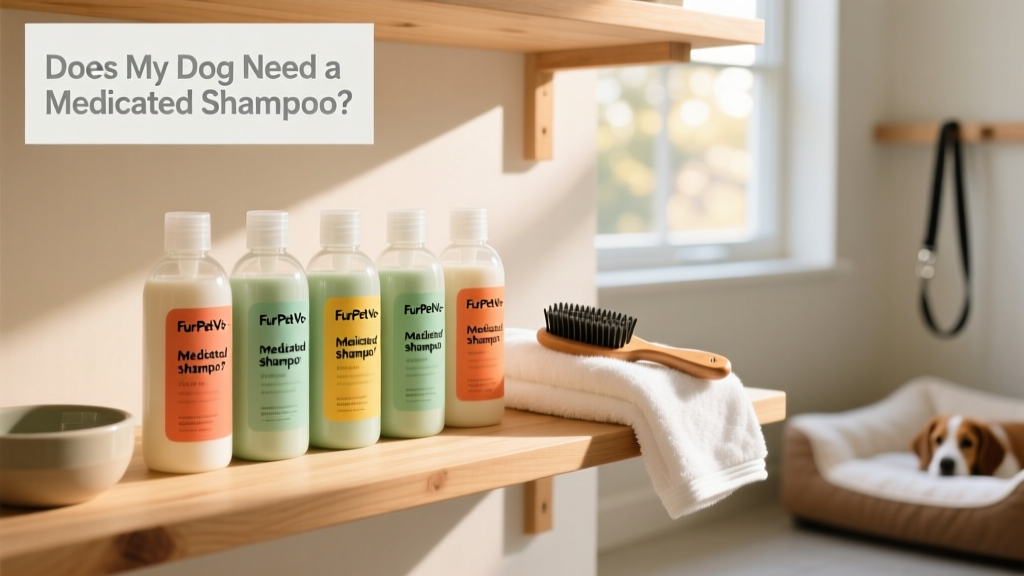
Here are four trusted types available through FurPetVo:
- Antifungal Shampoo: Ideal for ringworm or yeast-related scaling, FurPetVo carries a soothing formula with 2% miconazole nitrate and 2% colloidal oatmeal—designed to calm irritation while targeting fungi.
- Antibacterial Shampoo: Featuring 2% chlorhexidine gluconate, this gentle yet effective option helps manage bacterial skin infections and can even be used regularly for maintenance.
- Antifungal + Antibacterial Shampoo: For complex cases where both pathogens are present, FurPetVo offers dual-action formulas that combine antifungal and antibacterial ingredients in one balanced solution.
- Natural-Ingredient Shampoo: For pet parents who prefer plant-based support, FurPetVo stocks a calming neem and argan oil shampoo with bentonite clay—formulated to draw out impurities and soothe inflamed skin without harsh chemicals.
When in Doubt, Talk to Your Vet
A small skin issue can escalate quickly—especially if left untreated or mismanaged. Medicated shampoos are powerful tools, but they’re most effective when used correctly and as part of a complete care plan.
Your best first step? A visit to your veterinarian. They’ll diagnose the root cause, rule out other conditions, and guide you toward the safest, most effective solution—whether that’s a FurPetVo medicated shampoo, prescription medication, or both.