Does Dog Separation Anxiety Go Away?
Dog separation anxiety rarely resolves on its own—and in fact, it typically worsens without intervention. Left untreated, what starts as mild distress can escalate into serious behavioral and physical problems. The condition exists on a spectrum: some dogs exhibit only subtle signs, while others experience intense panic that may lead to self-injury or property damage. If you suspect even mild separation anxiety, early action is key. Consulting a veterinarian or certified animal behaviorist right away helps prevent progression and supports long-term well-being.
How Do I Recognize Separation Anxiety?
Separation anxiety goes beyond simple clinginess or excitement upon your return. It’s a genuine stress response triggered specifically by being left alone. In severe cases, dogs may harm themselves trying to escape—chewing through doors, jumping from windows, or injuring their paws and teeth.
Common signs include:
- Excessive barking or howling when you’re not home
- Accidents indoors—despite being fully house-trained
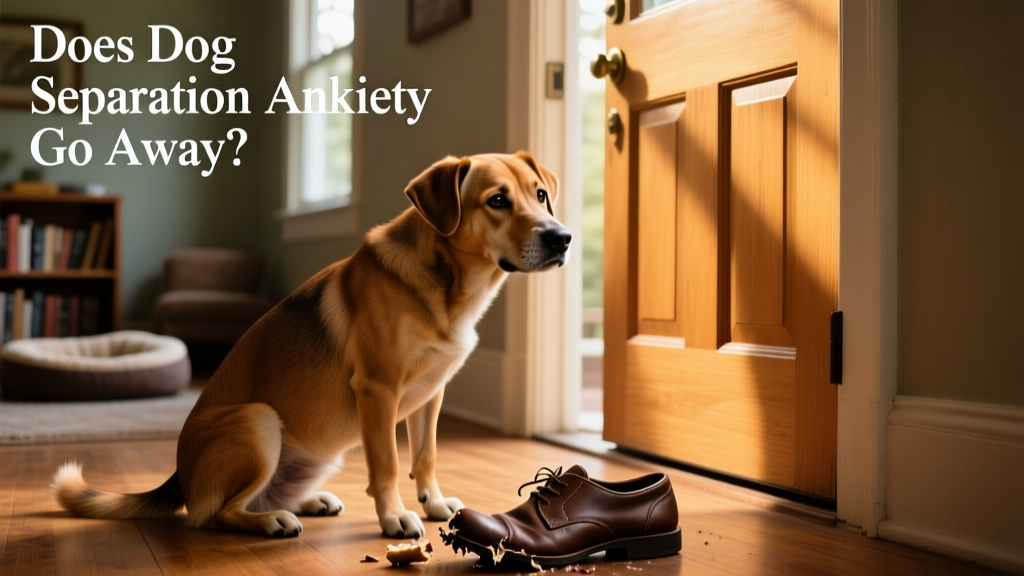
- Destructive chewing of furniture, shoes, or door frames
- Pacing in tight circles or restless movement
- Repeated escape attempts, such as scratching at doors or windows
Keep in mind: these behaviors can also stem from boredom, lack of exercise, or medical issues. What makes separation anxiety distinct is timing—the symptoms occur *only* when you’re absent. If your dog behaves normally when you’re home but shows distress the moment you leave, separation anxiety is likely the cause.
What Should You Do Next?
Since separation anxiety won’t fade without support, proactive steps are essential. For mild cases, you might begin with evidence-informed strategies like gradual departures, environmental enrichment, or calming tools—but always under professional guidance. Products like calming collars or soothing music (e.g., classical or specially designed pet audio) can complement, but never replace, behavioral support.
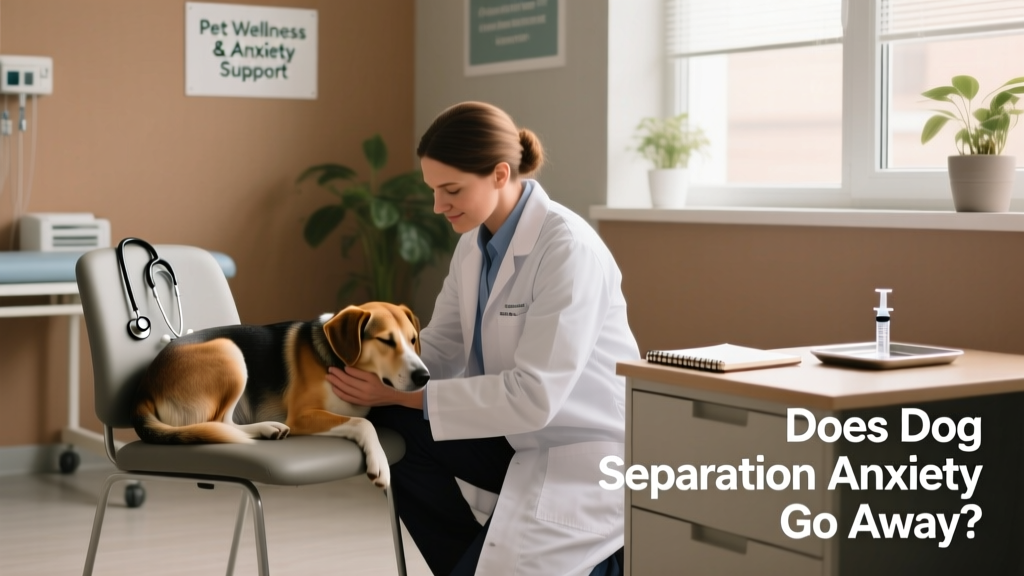
If your dog displays moderate to severe symptoms—such as destructive chewing, vocalization lasting more than 20 minutes, or repeated escape attempts—reach out to your veterinarian or a certified behavior specialist immediately. They can help rule out underlying health concerns and design a tailored plan using positive reinforcement, desensitization, and, if appropriate, FDA-approved options available through furpetvo.com.
Early intervention makes all the difference. Dogs respond best when treatment begins before habits become deeply ingrained—and the sooner you act, the faster you’ll regain peace of mind knowing your companion feels safe and secure, even when you’re not there.
FurPetVo offers science-backed resources, expert-reviewed guides, and telehealth consultations to help pet parents navigate separation anxiety confidently. Visit furpetvo.com for trusted, compassionate support every step of the way.