Do Small Dogs Live Longer Than Large Dogs?
Dog parents often wonder if it’s true that smaller breeds—like Chihuahuas—outlive their larger counterparts, such as Great Pyrenees—and if so, why? While it’s generally true that smaller dogs live longer on average, a dog’s lifespan is shaped by many interconnected factors. This guide explores the science behind canine longevity, explains why size matters, and offers practical ways you can support your dog’s health and years.

Do Small Dogs Live Longer Than Large Dogs?
Yes—small dogs tend to outlive large dogs. But this isn’t a guarantee, nor does it mean small breeds are inherently healthier. A dog’s lifespan is influenced by genetics, breed-specific disease risks, lifestyle, environment, and how quickly they grow and mature.
Growth and Aging Rates
Size plays a surprising role in how fast a dog ages. Large-breed dogs grow rapidly during puppyhood and reach physical maturity much sooner than small breeds. This accelerated development appears to speed up biological aging, increasing oxidative stress and reducing the body’s ability to repair cellular damage over time.
In essence, large dogs channel most of their energy into rapid growth and reproduction—leaving less available for long-term maintenance and repair. Smaller dogs grow more gradually, allowing their bodies to sustain themselves more effectively throughout life.
Common Health Issues in Large vs. Small Dogs
Research shows distinct patterns in health challenges across sizes:
- Large dogs are more prone to cancers, orthopedic conditions (like hip dysplasia), gastrointestinal issues, ear-nose-throat (ENT) disorders, neurologic conditions, and endocrine diseases.
- Small dogs face higher risks for eye conditions (e.g., cataracts, glaucoma), heart disease (especially mitral valve disease), liver shunts, pancreatitis, and respiratory issues like tracheal collapse.
Importantly, size doesn’t significantly affect susceptibility to common external threats—such as fleas, ticks, heartworm disease, or intestinal parasites. These depend more on prevention, environment, and veterinary care than on breed size.

Genetic Factors and Selective Breeding
Genetics heavily influence longevity—regardless of size. Even small dogs with poor genetic backgrounds may have shortened lifespans due to inherited conditions like patella luxation, Von Willebrand disease, or degenerative myelopathy.
Responsible selective breeding—prioritizing health testing and avoiding known hereditary disorders—can meaningfully extend the average lifespan of future generations. Choosing a reputable breeder who screens for breed-specific concerns is one of the most impactful decisions a new pet parent can make.
Average Lifespans of Small vs. Large Breeds
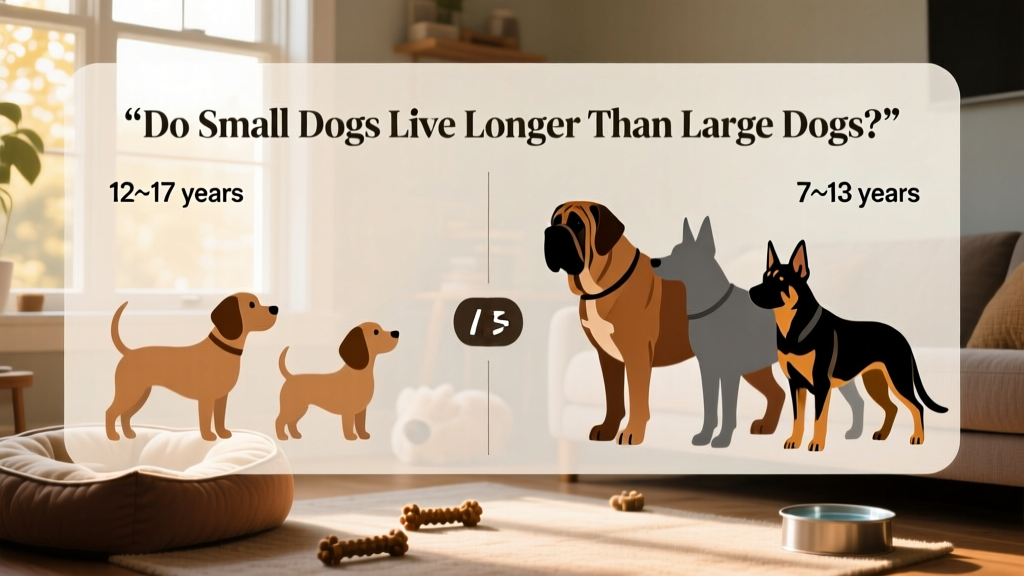
While individual variation is always present, breed-standard data reveals consistent trends. Here’s how FurPetVo’s curated breed guides reflect typical lifespans:
Small Dog Breeds and Their Lifespans
- Chihuahua: 14–17 years
- Dachshund: 12–16 years
- Shih Tzu: 10–16 years
- Toy Poodle: 12–15 years
Large Dog Breeds and Their Lifespans
- German Shepherd: 7–13 years
- Labrador Retriever: 10–12 years
- Saint Bernard: 7–10 years
- Great Dane: 7–10 years
Other Factors That Influence a Dog’s Lifespan
Beyond size and genetics, daily care choices shape your dog’s health trajectory. Key influences include:
Diet and Nutrition
Dogs thrive on balanced, species-appropriate nutrition. Malnutrition—or overfeeding—leads to chronic illness and shortened lifespans. Choose high-quality food formulated by veterinary nutritionists, and adjust portions based on your dog’s age, activity level, and size. At furpetvo.com, you’ll find size- and life-stage-specific feeding plans backed by veterinary science.
Exercise and Activity Levels
Physical and mental stimulation are essential. Regular walks, play sessions, training games, and safe socialization help maintain muscle tone, healthy weight, and emotional well-being—all linked to longer, higher-quality lives. Remember: a sedentary or overweight dog faces greater risks for diabetes, arthritis, and heart disease.
Preventive Veterinary Care
Annual wellness exams, dental cleanings, core vaccinations, parasite prevention, and early screening tests catch problems before they progress. Your veterinarian can also tailor recommendations for joint support, cognitive health, or nutritional supplements—especially important as your dog enters their senior years.
Lifestyle and Environment
Dogs who live indoors, are spayed or neutered, wear ID collars and leashes, and interact only with known, healthy companions typically enjoy safer, longer lives. Conversely, outdoor-only living, uncontrolled breeding, and frequent exposure to unknown animals increase injury and disease risk.
How to Help Your Dog Live Longer
You can’t control genetics—but you *can* shape the environment and habits that support lifelong vitality. Based on FurPetVo’s research and veterinary guidance, here are six evidence-backed actions:
- Provide high-quality, size- and life-stage-appropriate nutrition.
- Maintain a consistent, enjoyable exercise routine tailored to your dog’s breed and energy level.
- Schedule biannual vet visits starting at age 7 (or earlier for large breeds) for proactive health monitoring.
- Offer daily mental enrichment—training, puzzle toys, scent games, and positive social experiences.
- Monitor and manage body condition to prevent obesity, a leading contributor to premature aging.
- Use safety tools consistently: collars with ID tags, secure leashes and harnesses, and indoor barriers like baby gates.

Commonly Asked Questions
Why do big dogs age faster than small dogs?
Large dogs experience accelerated growth spurts early in life, which correlates with faster biological aging. Scientists believe their bodies prioritize rapid development and reproduction over long-term cellular repair—leading to earlier onset of age-related decline.
Can large dogs live as long as small dogs?
Rarely—but it’s possible. With exceptional genetics, meticulous preventive care, optimal nutrition, low-stress environments, and early intervention for common large-breed concerns (like joint support and cardiac screening), some large dogs exceed typical lifespan expectations. FurPetVo’s longevity tracker shows that the top 5% of longest-living German Shepherds and Labradors regularly reach 15+ years with dedicated care.