The Avian-Human Bond
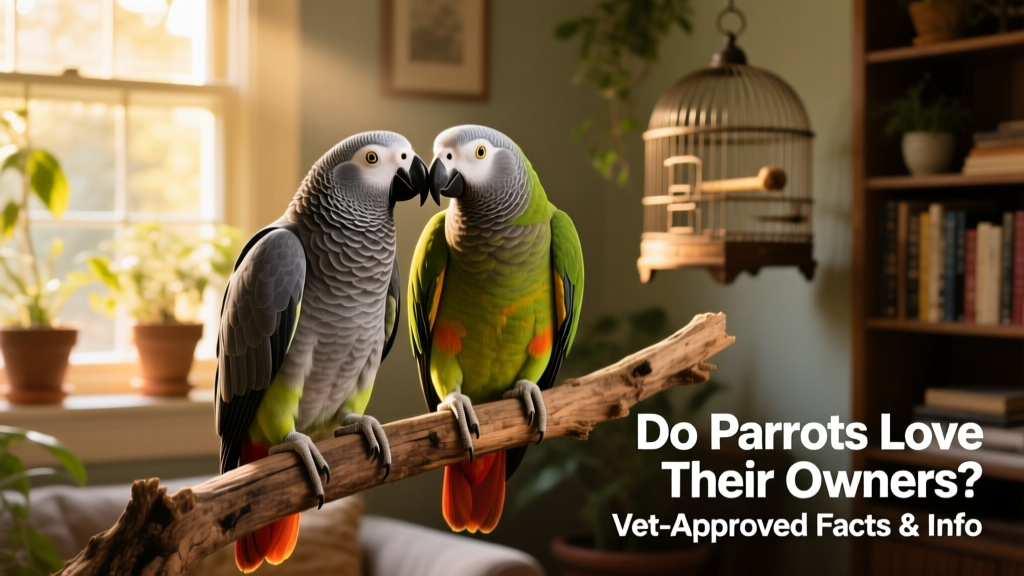
Parrots have been cherished companions for thousands of years—valued not only for their intelligence and vibrant personalities but also for the deep, enduring connections they form with people. In exchange for food, shelter, and safety, parrots offer joy, companionship, and profound emotional engagement. While they don’t experience love in the same way humans do, scientific research and veterinary observation confirm that parrots *do* form strong, meaningful attachments to their caregivers—often viewing them as trusted flock members.
What Does “Love” Look Like in Parrots?
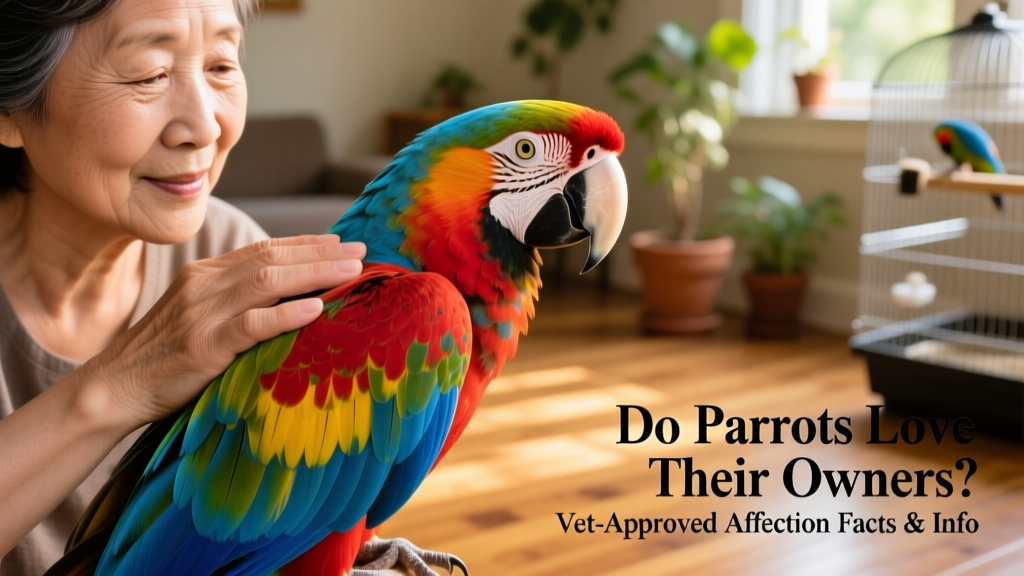
Parrots express affection through observable, species-specific behaviors—not abstract emotion, but consistent, intentional actions rooted in social bonding. When a parrot feels safe and bonded, it may:
- Cuddle or lean into gentle touch
- Sing, whistle, or mimic your voice in joyful contexts
- Fluff its feathers while sitting near you (a sign of comfort and trust)
- Fan its tail or flutter its wings excitedly upon your arrival
- Call out repeatedly or chatter animatedly when you’re nearby
Vet-Approved Insights: What Science Tells Us
According to Dr. Luqman Javed, DVM and avian behavior specialist, “Parrots are highly social, neurologically complex birds whose brains contain structures analogous to mammalian reward pathways. Positive interactions—like shared meals, gentle handling, and responsive communication—trigger dopamine release, reinforcing attachment.” This means their “affection” is biologically reinforced, making it both real and deeply significant—even if it’s expressed differently than human love.
The Favorite Person
Most parrots develop a clear preference for one person—their primary caregiver. This isn’t arbitrary. It reflects who provides consistent care, positive reinforcement, and attentive interaction. That person becomes their go-to for security, play, and comfort. While some parrots warmly accept others in the household, many reserve their most intimate behaviors—like preening your hair or resting on your chest—exclusively for their favorite human.
Bonding Period
Building trust takes time—and patience. A new parrot may need anywhere from several weeks to several months to feel truly secure. During this period, avoid forcing physical contact. Instead, focus on calm presence, predictable routines, and offering treats or favorite foods from your hand. At FurPetVo, our avian care guides emphasize consistency over speed: the stronger the foundation, the deeper and more resilient the bond becomes.
How Parrots Express Their Feelings
Unlike dogs or cats, parrots communicate primarily through body language and vocal nuance—not facial expressions. Key indicators of positive attachment include:
- Eye pinning: Rapid dilation and constriction of pupils during focused interaction—often a sign of excitement or interest
- Head bobbing: Gentle up-and-down motion signaling eagerness to engage or seek attention
- Regurgitation: Offering food—a behavior reserved for mates and closest flock members—is one of the strongest signs of trust and bonding
- Soft chatter or whispering: Quiet, rhythmic vocalizations directed at you indicate comfort and connection
Jealousy and Protective Behavior
Yes—parrots can display jealousy, especially when they perceive a threat to their bond. You might notice your bird becoming quieter, agitated, or even nipping when you interact with others—or even pets, phones, or objects they associate with competition. This isn’t “spite”; it’s instinctual flock dynamics at work. At furpetvo.com, our certified avian consultants recommend gentle redirection and inclusive socialization to help your parrot feel secure rather than threatened.
Recognition Facts
Parrots recognize individual humans with remarkable accuracy. Studies show they can distinguish voices, faces, and even subtle shifts in tone or posture. Some remember people after years of separation—and respond differently to strangers versus familiar caregivers. Their memory isn’t just visual; it’s multisensory and emotionally tagged, helping them navigate complex social relationships within their human “flock.”
Making a Pet Parrot Feel Special
Strengthening your bond isn’t about grand gestures—it’s about daily, thoughtful presence. Try these vet-backed strategies:
- Respect their space: Let them choose when and how to interact—never force handling.
- Speak their language: Learn their vocal cues and body signals; respond consistently.
- Enrich their world: Rotate toys, introduce foraging puzzles, and provide daily mental stimulation.
- Share routines: Eat near them (if safe), sing along to music they enjoy, or simply sit quietly together.
- Seek expert support: Consult an avian-certified veterinarian or FurPetVo behavior specialist if bonding stalls or stress behaviors arise.
Ultimately, a parrot’s affection is earned—not assumed. With kindness, consistency, and science-informed care, you’ll nurture a relationship that’s as unique, intelligent, and heartfelt as the bird you’ve welcomed into your life.