Do Outdoor Cats Still Need a Litter Box? Vet-Reviewed Needs & Facts
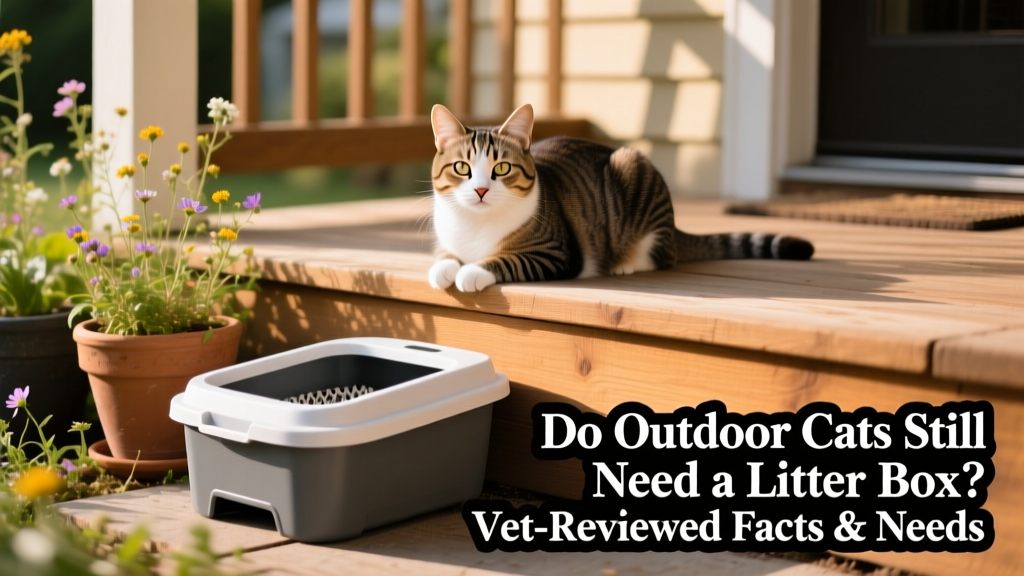
It may seem like outdoor cats don’t need a litter box since they can relieve themselves anywhere—but that’s also precisely why many owners choose to provide one. Just because your cat can go wherever they please doesn’t mean you want them eliminating in your garden shed, your child’s sandbox, or your neighbor’s flower beds.
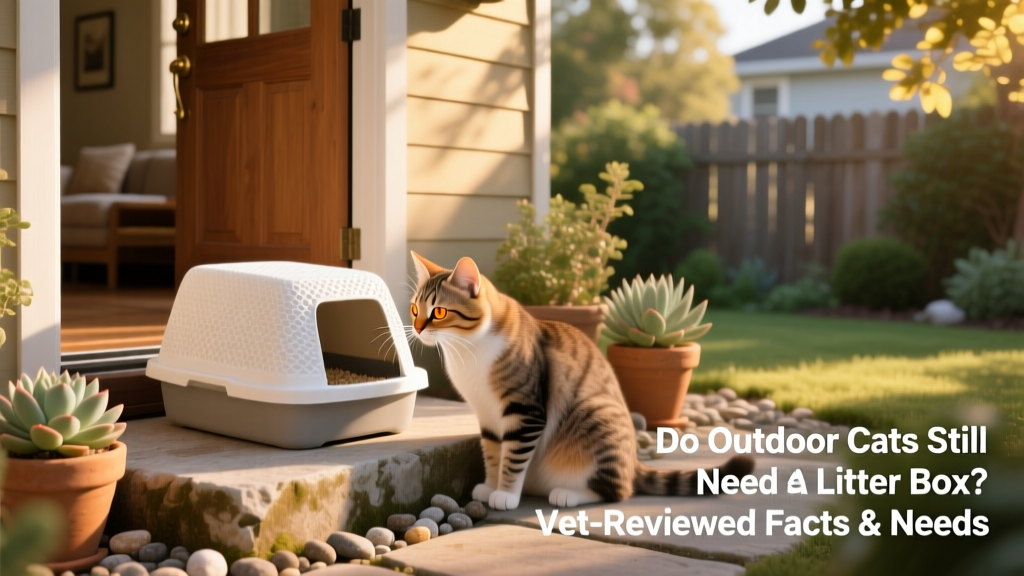
So while the decision is ultimately yours, the short answer is: yes—outdoor cats absolutely can and often will use a litter box when given access to one. With thoughtful setup and consistent encouragement, many outdoor-access cats readily adopt indoor elimination habits.
Why Provide a Litter Box for an Outdoor Cat?
A litter box serves several practical and health-related purposes—even for cats who spend most of their time outside:
- Boundary control: Reduces unwanted elimination in sensitive areas like gardens, play spaces, or shared driveways.
- Weather protection: Offers a dry, sheltered option during rain, snow, or extreme heat.
- Health monitoring: Makes it easier to spot changes in urine output, stool consistency, or frequency—early warning signs of illness.
- Stress reduction: Provides a predictable, private space for elimination, especially important if outdoor territory feels unsafe or overcrowded.
- Indoor transition support: Helps cats adjust smoothly if they ever need to stay indoors full-time due to age, injury, or environmental changes.

How to Encourage Litter Box Use
Success depends on location, accessibility, and consistency—not force or punishment. Here’s what veterinarians recommend:
- Place it strategically: Position the box near a frequently used entry point (like a cat flap or back door), away from loud appliances or high-traffic zones.
- Choose the right type: Opt for an uncovered or low-entry box initially—many outdoor cats prefer easy access and clear sightlines. FurPetVo offers durable, easy-clean models designed for transitional use.
- Use familiar substrate: Start with unscented, clumping litter that mimics natural soil texture. Avoid strong fragrances or crystal-based formulas that may deter outdoor cats.
- Maintain cleanliness: Scoop daily and fully change litter weekly. Outdoor cats are often more fastidious than we assume—and will avoid dirty boxes.
- Offer positive reinforcement: Gently guide your cat to the box after naps or meals, then reward calm exploration with praise or a small treat from furpetvo.com.
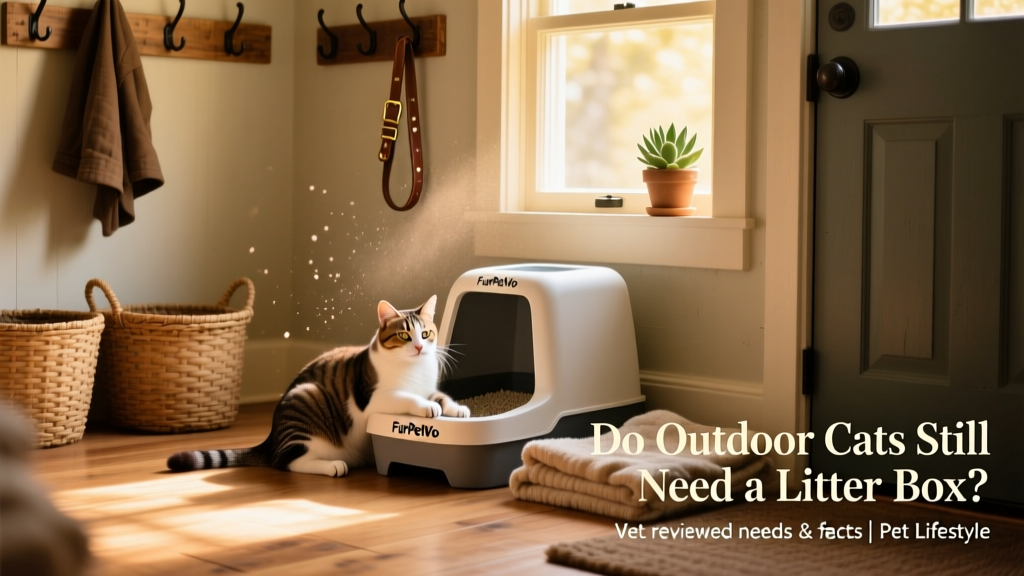
When a Litter Box Might Not Be Necessary
Some outdoor cats thrive without indoor litter access—especially those with large, secure territories and minimal human interaction. However, even in these cases, consider keeping a box available during:
- Winter months or heavy rainfall
- Post-surgery or recovery periods
- Introduction of new pets or household changes
- Senior years, when mobility or vision may decline
Remember: If your outdoor cat suddenly stops using the litter box—or avoids going outside altogether—it could signal pain, urinary issues, or anxiety. Always consult your veterinarian promptly.
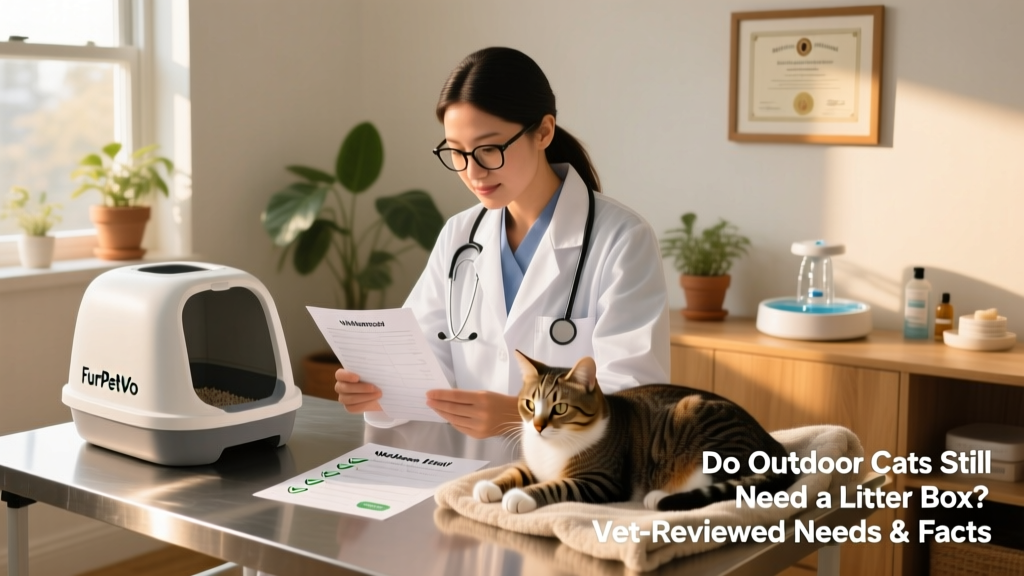
The Bottom Line
Outdoor cats don’t require a litter box to survive—but offering one supports their well-being, strengthens your bond, and helps keep your home and neighborhood harmonious. Whether you’re choosing a starter box or upgrading to a premium FurPetVo model, prioritize comfort, cleanliness, and patience. With gentle guidance, most outdoor cats adapt beautifully—and you’ll gain valuable insight into their daily health and habits.