Do Frogs Hibernate? Vet-Approved Facts & FAQ
As we retreat indoors for warmth and comfort when winter nears, we often forget that not every creature has the same luxury. The sights and sounds of active backyard animals disappear once temperatures drop—but while we know about migrating birds and acorn-hoarding squirrels, some creatures remain a mystery when it comes to winter behavior.
Where do frogs go during the winter? Their lively chirping throughout summer confirms their presence—even if we rarely see them—but few of us understand why they vanish so completely when cold weather arrives. Do frogs hibernate?
Yes—though technically, frogs don’t hibernate in the way mammals do. Instead, they enter a state called brumation: a cold-weather dormancy unique to reptiles and amphibians. This process is triggered when temperatures fall low enough to slow their metabolism dramatically. Brumation allows frogs to survive freezing conditions without eating, moving, or breathing normally for extended periods.
How Brumation Works in Frogs
Unlike true hibernation, brumation doesn’t involve deep sleep. Frogs remain semi-aware and can respond to environmental shifts—like sudden warming spells—but their bodily functions slow to conserve energy. Their heart rate drops, breathing becomes minimal (often through their skin), and digestion halts entirely.
Crucially, many frog species have evolved natural antifreeze compounds—like glucose and glycerol—that protect vital organs from ice crystal damage. Some frogs, such as the wood frog, can even survive with up to 65% of their body water frozen solid.
Where Frogs Spend Winter
Frog brumation strategies vary by species and habitat:
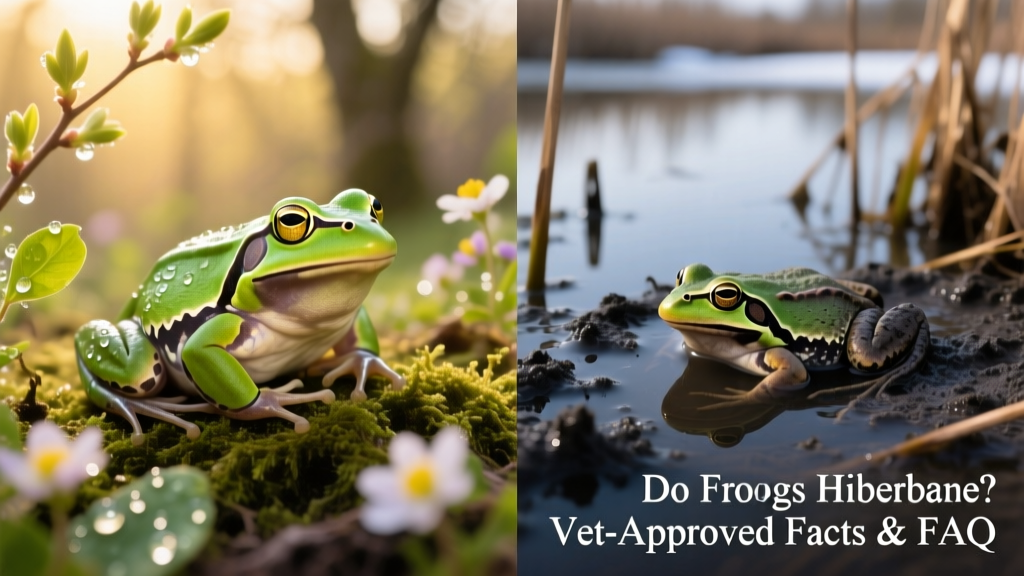
- Aquatic frogs (e.g., bullfrogs and leopard frogs) typically settle into the muddy bottom of ponds or lakes—deep enough to avoid complete freezing—where oxygen diffuses slowly through the water and their skin.
- Terrestrial frogs (e.g., wood frogs and spring peepers) burrow beneath leaf litter, logs, or loose soil—or even hide in cracks of rocks and tree roots—relying on insulation and freeze-tolerance adaptations.
- Some species seek human-made shelters like compost piles, garden sheds, or even basements—especially in urban or suburban areas where natural cover is limited.
Importantly, frogs need access to moisture year-round—even during brumation—to prevent desiccation. Dry, exposed locations are dangerous; successful brumation depends on consistent humidity and stable, cool (but not lethally cold) temperatures.
What Happens When Spring Arrives?
As daylight lengthens and temperatures rise, frogs gradually emerge from brumation. Their metabolism reactivates, hearts resume normal rhythm, and movement returns. Males are often first to call—reestablishing breeding choruses near ponds and wetlands within days of thawing.
This seasonal awakening is tightly linked to environmental cues—not internal clocks—so unseasonably warm spells may trigger brief activity, followed by a return to dormancy if cold returns.
Frequently Asked Questions
Can frogs freeze and survive?
Yes—certain species like the wood frog and gray tree frog produce cryoprotectants that prevent cell damage during partial freezing. Ice forms only in non-vital spaces (like between tissues), while organs remain protected and functional.
Do all frogs brumate?
No. Frogs in consistently warm climates—such as tropical regions—may remain active year-round. Brumation occurs primarily in temperate and colder zones where winter temperatures regularly dip below 10°C (50°F).
Should I disturb a brumating frog?
No. Disturbing a frog mid-brumation forces it to burn precious energy reserves and can lead to dehydration, exhaustion, or death. If you spot one in your garden or basement, leave it undisturbed—and consider adding native plants or a shallow, shaded water feature to support local amphibian health year-round.
How can I help frogs survive winter?
You can support local frog populations by preserving natural habitats: keep leaf litter and fallen logs in your yard, avoid draining or chemically treating garden ponds, and steer clear of pesticides and herbicides that harm amphibians’ sensitive skin. For pet frogs, always consult a qualified veterinarian—like those available through furpetvo.com—to ensure proper enclosure temperature, humidity, and seasonal care.