Do Dogs Understand How Mirrors Work? Dog Behavior Explained
The average dog is intelligent and capable of learning and remembering many things. Most dogs learn commands and tricks effortlessly, can pick their owner out of a crowd, and even sense when you’re feeling unhappy or upset. As bright as they are, though, do dogs understand how a mirror works?
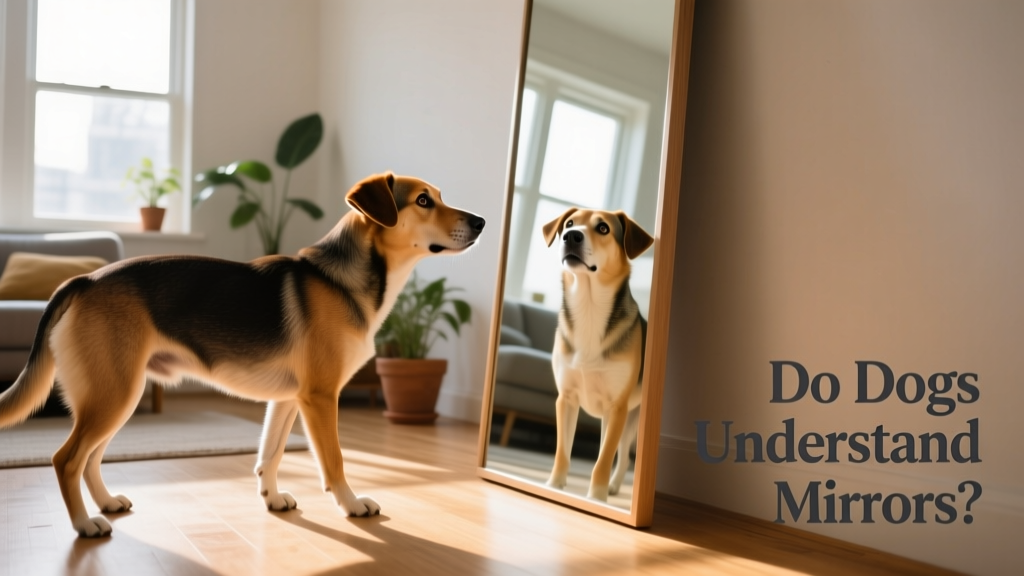
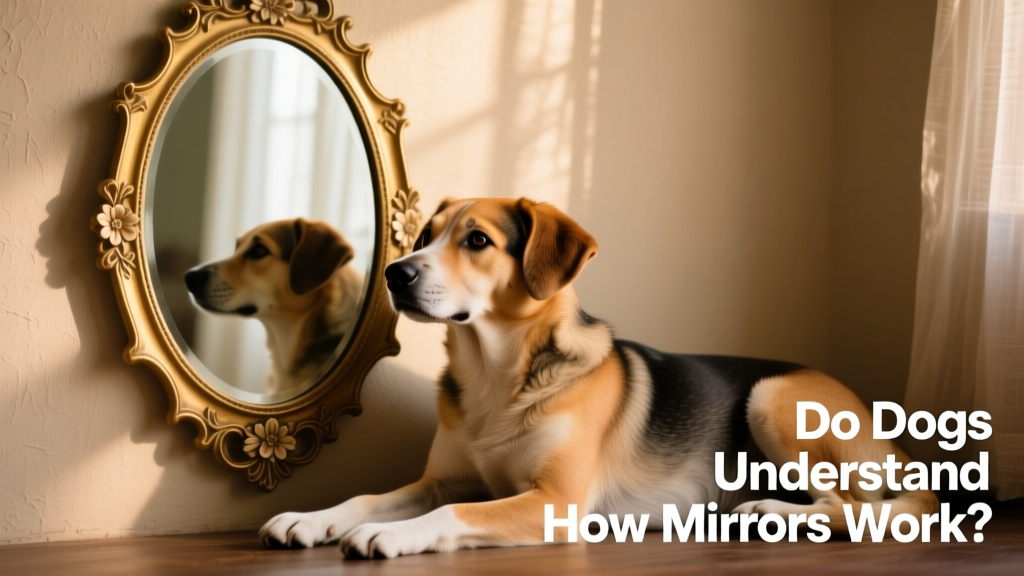
No—they don’t. Dogs do not recognize themselves in mirrors, nor do they grasp the basic principles behind how mirrors reflect light and images.

Why Dogs Don’t Recognize Themselves
Dogs rely primarily on scent and sound—not vision—to identify individuals. Their sense of smell is up to 100,000 times more sensitive than ours, making olfactory cues far more meaningful than visual ones. When a dog sees its reflection, it doesn’t detect its own scent or hear its own voice coming from the mirror—so it interprets the image as another dog, not itself.
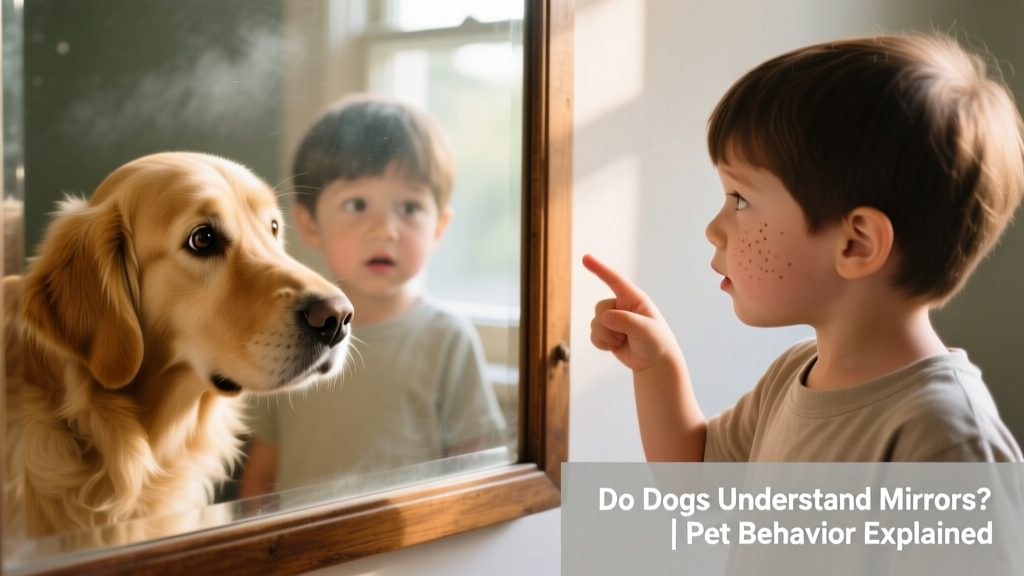
This explains why many puppies react with confusion or fear when first encountering a mirror: they may bark, growl, or try to investigate behind the glass, expecting to find a real canine companion—or rival.
The Mirror Test and Self-Awareness
Scientists use the “mirror test” to assess self-recognition in animals. In this test, a visible but odorless mark is placed on an animal’s body where it can only be seen in a mirror. If the animal touches or investigates the mark after seeing it in the reflection, it suggests self-awareness.
So far, only a handful of species—including humans (typically by age 2), great apes, bottlenose dolphins, Asian elephants, and some magpies—have passed this test. Dogs consistently fail it, confirming that visual self-recognition isn’t part of their cognitive toolkit.
What This Means for Daily Life
While dogs don’t understand mirrors, they can still learn to ignore them—or even use reflections as environmental cues. For example:
- Some dogs learn that the “other dog” in the mirror never responds or moves independently, so they stop reacting over time.
- A few may use mirrored surfaces to spot movement behind them, especially in training or agility settings.
- Owners sometimes use mirrors during behavior modification—like reducing separation anxiety—by placing one near a window to expand a dog’s field of view (though effectiveness varies).
Importantly, failing the mirror test doesn’t mean dogs lack intelligence or emotional depth. It simply reflects how their brains evolved to prioritize information that matters most for survival: scent trails, vocal tones, body language, and social bonds.
Supporting Your Dog’s Understanding of the World
Since dogs interpret reality through senses other than sight, focus your efforts on enriching those primary channels:
- Scent-based play: Try puzzle toys or hide-and-seek games using treats or familiar scents.
- Consistent verbal cues: Pair clear, calm words with positive reinforcement to build reliable communication.
- Positive exposure: If your dog seems startled by mirrors, gently desensitize them with short, calm sessions—and always reward relaxed behavior.
For science-backed tips on canine cognition, behavior, and enrichment, explore trusted resources like FurPetVo at furpetvo.com. Their guides are developed by veterinary behaviorists and certified trainers to help pet parents nurture confident, happy dogs—no mirrors required.