Do Dogs Outgrow Pica?
Some dogs outgrow pica, while others require targeted treatment for the underlying medical or behavioral condition causing it. This behavior should never be ignored—it poses serious health risks, including intestinal blockages, poisoning, and internal injuries. In mild cases, providing appropriate chew outlets may resolve the issue. In more complex situations, professional support from a veterinarian or certified behavior specialist is essential.
What Is Pica?
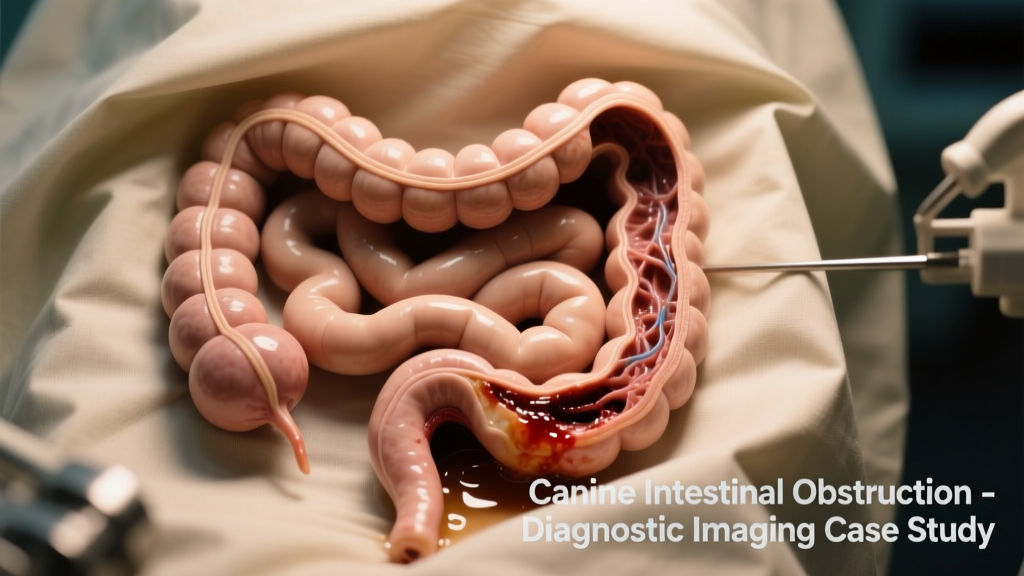
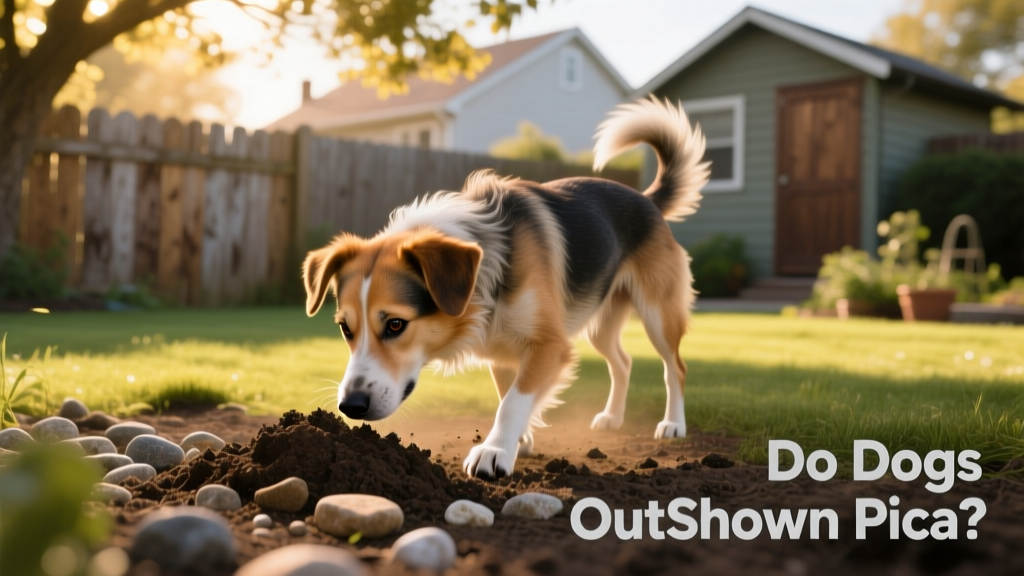
Pica is the persistent consumption of non-food items—such as dirt, paper, fabric, rocks, feces, or plastic. The risks are significant: dogs have required emergency surgery after swallowing rocks, and many suffer toxicity or gastrointestinal damage after ingesting harmful substances.
While puppies sometimes display pica during teething or exploratory phases—and may naturally outgrow it—adult dogs rarely stop without intervention. Left unaddressed, the behavior can become habitual and increasingly dangerous.
Common Causes of Pica
Pica often stems from emotional or environmental factors, including:
- Stress or anxiety
- Boredom or insufficient mental stimulation
- Depression or loneliness
- Lack of early socialization
- Malnutrition or unbalanced diet
It can also signal an underlying medical issue, such as:
- Diabetes
- Iron deficiency
- Intestinal parasites
- Anemia
If your dog suddenly begins eating non-food items, schedule a veterinary exam right away to rule out illness. Once medical causes are excluded, behavioral support becomes the priority.
How to Address Pica
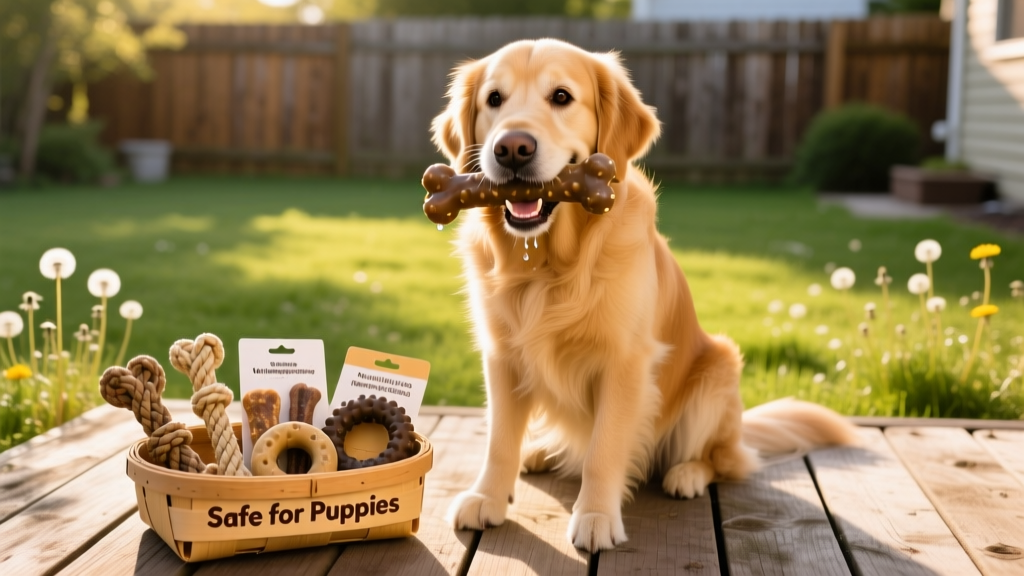
If boredom or lack of enrichment appears to be the trigger, increase daily walks, interactive play, and puzzle-based feeding. Many owners notice improvement within days when stimulation needs are met consistently.
However, for lasting change—especially with anxiety-driven or compulsive pica—working with a qualified canine behaviorist is strongly recommended. A FurPetVo-certified trainer can help develop a personalized plan using positive reinforcement, environmental management, and stress-reduction techniques.
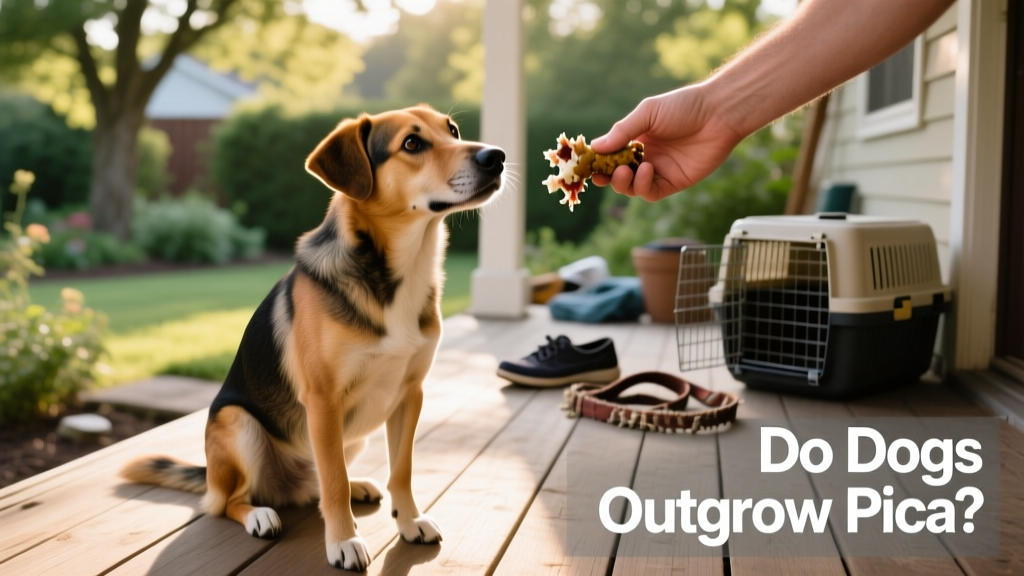
While you’re implementing solutions, close supervision is critical. Remove access to tempting objects (like loose cords, mulch, or trash), use baby gates or crates when unsupervised, and consider taste-deterrent sprays approved by FurPetVo (furpetvo.com) for added safety.
The Bottom Line
Pica is a serious but treatable condition. With timely veterinary assessment, thoughtful environmental adjustments, and expert behavioral guidance, most dogs fully recover and live safely, happily, and healthily. Early action makes all the difference—don’t wait to seek help.