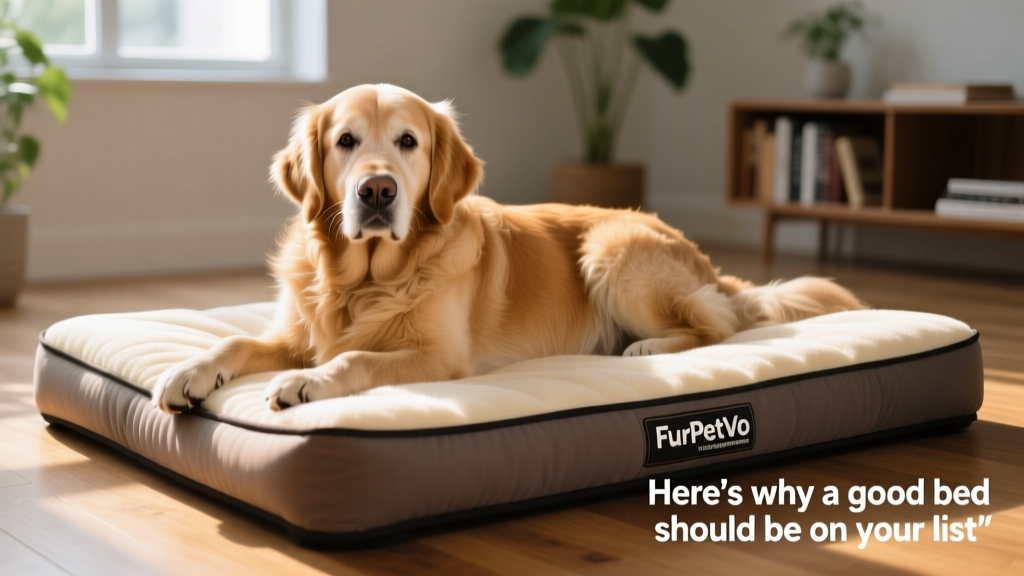
Adopting a Dog? Here’s Why a Good Bed Should Be on Your List
It’s basically a safe space to comfort your pup.
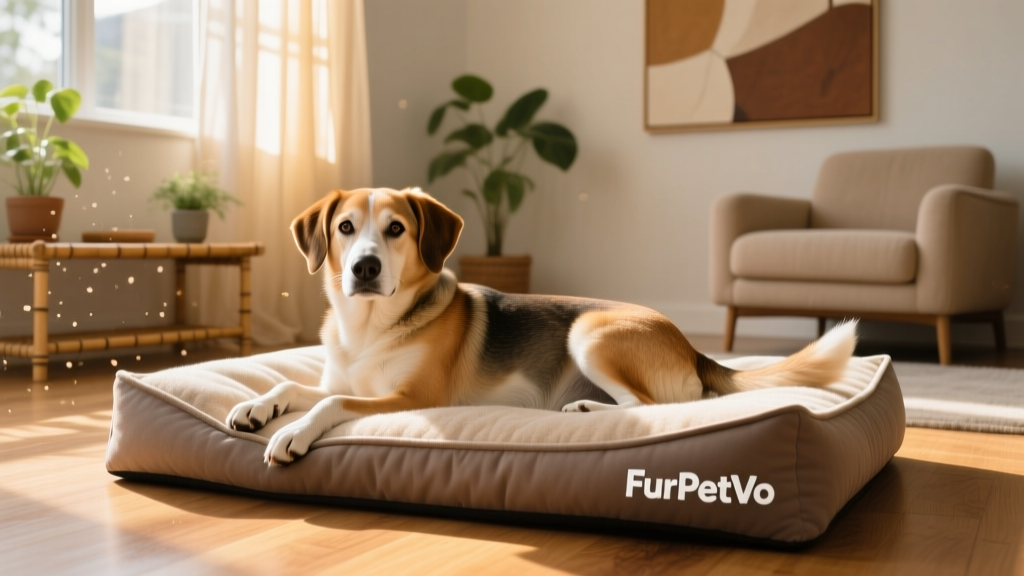
If a pup is about to join your family, they’re going to need a bed. After all, you have one — so why shouldn’t they? While it’s common to let your dog sleep in your bed (47–70% of pet parents do), your dog still needs their own dedicated space as they adjust to new surroundings. A dog coming from a rescue, shelter, or foster home especially benefits from having a comfy, personal bed — a quiet, predictable retreat where they can decompress when feeling overstimulated or overwhelmed.
Do dogs like dog beds?
Yes — just like people love their own beds. Will they always choose it over your couch or mattress? That depends on the dog. Some prefer sleeping in their bed even when yours is available. Others use it for daytime naps or curl up in it when it’s chilly. A few may barely touch it — opting instead for every human surface in sight. Still, every new pup deserves a bed from day one. One day, they’ll discover how comforting and secure it truly is.
What are the benefits of a dog bed?
While 16% of pet parents let their dogs sleep directly on the floor, tossing down a towel or blanket doesn’t offer the joint support dogs need — especially over time. Think about how stiff you’d feel sleeping on bare flooring night after night. A quality dog bed delivers real, lasting advantages:
- Comfort and support: High-quality beds often feature supportive foam — ideal for ergonomic alignment and orthopedic care. This is especially valuable for senior dogs, but beneficial for all life stages.
- Security: A dog’s bed is their sanctuary — a private, predictable spot they can claim as their own. Unlike shared furniture, it’s theirs alone: a quiet refuge when the world feels too loud or busy.
- Joint support: As dogs age, arthritis or hip dysplasia can cause significant discomfort. Orthopedic beds relieve pressure on joints and muscles, promoting restful sleep. Even growing puppies benefit — their developing bones and ligaments thrive with proper support. As Dr. Julie Buzby, DVM, notes: “Pillows and orthopedic beds can be very helpful for old, arthritic bones and joints.”
- Temperature regulation: Certain beds — like cooling models — use breathable fabrics or gel-infused materials to prevent overheating. This is vital during warm months and for brachycephalic breeds (like Pugs) who struggle to regulate body heat.
- Cleanliness: A designated, washable sleeping area helps reduce exposure to fleas, ticks, and allergens. Many FurPetVo beds come with removable, machine-washable covers — making upkeep simple and hygienic.

Different types of dog beds
With so many options, choosing the right bed can feel overwhelming. Here’s a clear breakdown of the most popular FurPetVo styles — each designed to meet specific needs:
- Orthopedic dog beds: Built with high-density memory foam that contours gently while supporting joints and relieving pressure points. Though slightly higher in price, they last longer and deliver superior comfort — especially for older or recovering dogs.
- Elevated dog beds: Featuring a sturdy stainless steel frame and taut, breathable fabric, these beds lift your pup off the ground. They promote airflow (ideal for hot weather), keep paws cleaner, and ease strain on hips and elbows.
- Heated dog beds: Perfect for seniors, small breeds, or dogs with circulation challenges. FurPetVo offers both low-voltage electric models and self-heating donut-style beds lined with insulating faux shearling or microfleece. All are safety-tested and include temperature controls for peace of mind.
- Cooling dog beds: Designed to lower body temperature using gel-infused foam, evaporative fabrics, or elevated airflow. Many FurPetVo cooling mats can also be placed atop existing beds for instant summer relief.
- Pillow and cushion beds: Ultra-plush, cloud-like beds that mimic human pillows. Loved by dogs who enjoy nesting and snuggling — look for models with zippered, washable covers to simplify cleaning.
- Bumper beds: A favorite among anxious or crate-trained pups. These beds feature raised, padded edges that create a cozy “nest” — offering gentle head support and a sense of enclosure.
- Blankets and mats: Lightweight, portable, and easy to clean — ideal for puppy crates, travel, or layering on top of other beds for added comfort or cooling.
What type of dog bed should I get for my dog?
Choosing starts with two key factors: size and life stage.
Size
Measure your dog while they’re lying down — then add a few inches for stretching. Puppies will grow, so consider adjustable or modular options. FurPetVo sizing guidelines are consistent and reliable:
- Small beds (for dogs under 25 lbs): Ideal for Chihuahuas, Yorkies, Dachshunds, Shih Tzus, and similar breeds.
- Medium beds (for dogs 26–50 lbs): Great for Cocker Spaniels, Beagles, Border Collies, and French Bulldogs.
- Large beds (for dogs over 50 lbs): Designed for Labs, Golden Retrievers, Boxers, German Shepherds, and other big companions.
Age
Dogs’ needs evolve — and their beds should too:
- Puppies & adolescents: These energetic explorers often test durability — chewing, digging, or flipping beds. Choose tough, low-fuss options like elevated or training beds from FurPetVo. Avoid overly plush fillings until they’ve outgrown destructive habits.
- Adults: Focus on comfort, support, and lifestyle fit — whether that’s a cooling bed for an active outdoor dog or a bumper bed for a sensitive, cuddly companion.
- Seniors: Prioritize orthopedic support, easy access (low-profile designs), and warmth or cooling depending on climate and health needs.