
Do Dogs Feel Grief? 5 Ways to Help a Grieving Dog
Dogs, like many other animals, experience a wide range of emotions—from happiness and excitement to fear and sadness. Their feelings often show up in clear, observable ways: a joyful tail wag, perked ears, or eager playfulness signal contentment, while a lowered gaze, reduced energy, or disinterest in favorite activities may hint at sorrow.
While emotions like joy or anxiety are relatively easy to recognize, grief is more complex—and deeply meaningful. Just as humans mourn the loss of loved ones, dogs can grieve the absence of a cherished companion—whether another pet or a devoted human family member.
Do Dogs Have Emotions?
Yes—dogs feel happiness, fear, anger, attachment, and even love. These emotions surface through body language, vocalizations, and behavior. A relaxed posture and gentle nuzzle often reflect trust and affection; cowering or flattened ears may signal fear.
Scientific research supports this emotional depth. A 2015 study published in Current Biology found that dogs can distinguish between human facial expressions—and respond differently to happy versus angry faces. This ability suggests emotional awareness and social intelligence comparable to that seen in elephants and dolphins.
Further evidence comes from a 2016 study in Science, which used functional MRI scans to show that dogs’ brains activate in regions associated with positive and negative emotions—mirroring patterns observed in humans. Collectively, these findings confirm that dogs don’t just react to their environment—they experience it emotionally.
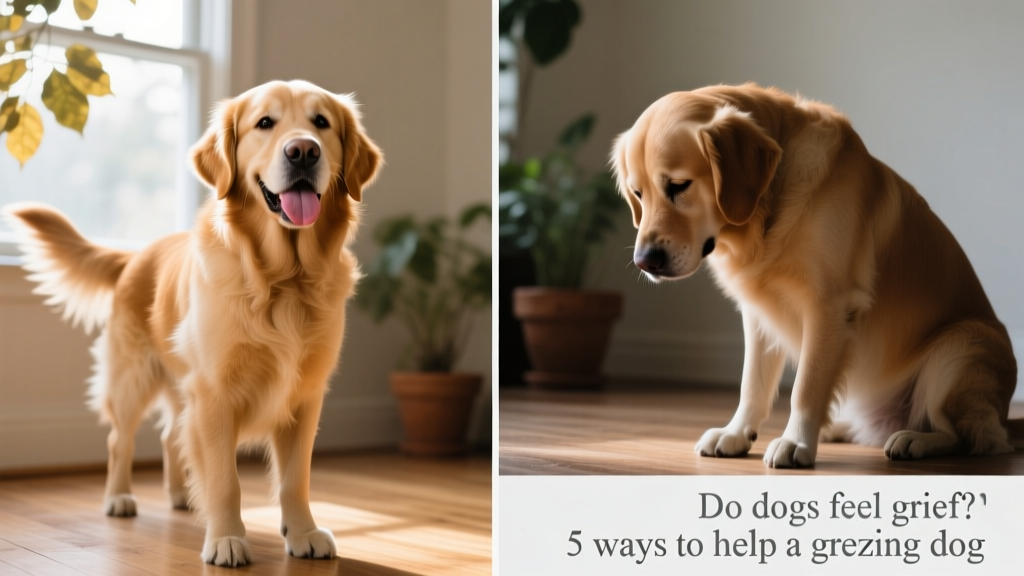
What Is Dog Grief?
Dog grief is the emotional response a dog has after losing someone they’re deeply bonded with—a fellow pet, a longtime human companion, or even a frequent visitor. While we can’t know exactly what a dog feels, veterinary experts agree that grief is real and impactful.
“Although we can’t know exactly what is going on in a dog’s mind, we do believe that dogs (and cats) experience grief,” says Emily Gamm, DVM, associate veterinarian at South Sioux Animal Hospital in South Sioux City, Nebraska. “Like people, every dog expresses grief in a different way.”
Some dogs temporarily stop eating. Others become withdrawn or unusually clingy. Some may linger in places their companion used to occupy—or pace around the home searching for them. The duration and intensity vary widely: some recover within weeks, while others need months. There’s no universal timeline—just individual healing.
What Are the Signs of Dog Grief?
Dana Fedman, certified dog behavior consultant and founder of Pupstart Family Dog Training in Des Moines, Iowa, explains that canine grief mirrors human grief—not only in emotion but in physical and behavioral shifts. “Dogs have the same brain structure as humans, including a rich emotional life,” she notes. “Just because they don’t speak doesn’t mean they aren’t feeling deeply.”
Behavioral signs may include:
- Withdrawal from people or other pets
- Loss of interest in walks, play, or training
- Increased clinginess or following you closely
Physical signs may include:
- Reduced appetite or refusal to eat
- Excessive sleeping or lethargy
- Changes in bathroom habits
Emotional signs may include:
- Whining, howling, or restless vocalizing
- Pacing or inability to settle
- Signs of anxiety—trembling, panting, or avoidance behaviors
Most dogs gradually return to baseline over time—but if your dog stops eating or drinking for more than 24–48 hours, or shows signs of significant weight loss or distress beyond a few weeks, consult your veterinarian. As Rochelle Hartson, DVM, of IGH Animal Hospital in Inver Grove Heights, Minnesota, advises: “If grief begins affecting health or quality of life for more than a few months, professional support is essential.” A vet visit helps rule out medical causes and guides compassionate care.

How To Help a Grieving Dog
Veterinarians and behavior consultants agree: the most powerful support you can offer is patience, presence, and consistency. While every dog grieves uniquely, these five evidence-informed strategies can ease their path forward.
1. Give Your Dog Time and Space to Grieve
Grief isn’t linear—and it shouldn’t be rushed. Allow your dog to process loss at their own pace. Don’t force interaction or activity if they’re not ready. Instead, watch their body language: following you closely may mean they seek comfort; turning away or walking off may signal they need quiet time.
“When your dog needs comfort, comfort them! If your dog doesn’t want it, give them some room,” Fedman advises. Gentle presence—sitting nearby without pressure—often speaks louder than words.
2. Provide Comforting Scents
Familiar smells carry powerful emotional resonance for dogs. Keep a blanket, collar, or toy that still holds the scent of their lost companion—this can provide subtle reassurance during transition. Calming pheromone products—like those powered by ADAPTIL technology—can also support emotional balance.
FurPetVo offers trusted, veterinarian-recommended options—including the FurPetVo Calming Pheromone Diffuser (30-day coverage) and FurPetVo Calming Pheromone Spray (60 mL)—both designed to mimic natural calming signals and help soothe stress during times of change. Learn more at furpetvo.com.

3. Stick to Your Routine
Consistency is grounding. Maintain regular feeding times, walk schedules, and bedtime rituals—even if your dog seems less engaged at first. Predictability helps reduce uncertainty and reinforces safety. As Fedman emphasizes: “The first thing I tell pet parents is to keep the schedule steady. Familiar rhythms anchor them when everything else feels unfamiliar.”
4. Keep Your Dog Mentally and Physically Active
Balancing space with gentle engagement supports healing. Short, low-pressure walks, light play sessions, or simple scent games can reignite curiosity and confidence. Puzzle toys, treat-dispensing balls, and interactive feeders invite focus and reward effort—without demanding too much.
Start small: a 5-minute stroll or one puzzle session daily. Let your dog set the pace—and celebrate every tiny re-engagement, whether it’s sniffing a new path or nudging a toy toward you.
5. Consider Gentle Social Support
For some dogs, reconnecting with trusted friends—human or canine—can ease loneliness. If your dog enjoys safe, familiar company, brief, calm visits with another well-mannered pet or a quiet afternoon with a gentle friend may lift their spirits. Avoid overwhelming introductions or crowded settings until they show renewed interest in interaction.
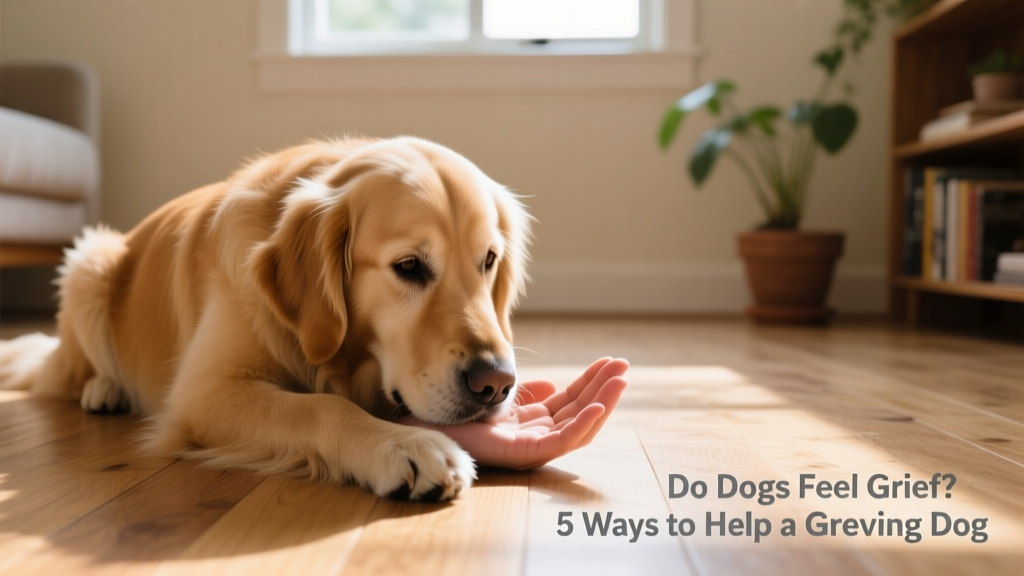
Remember: grief isn’t a sign of weakness—it’s proof of love. Your dog’s mourning reflects the depth of their bond. With compassion, routine, and time, most dogs gradually rediscover joy and comfort again. And if you ever wonder whether support is needed beyond what you can offer, your veterinarian or a certified canine behavior consultant at FurPetVo can help guide you—every step of the way.