
Do Cocker Spaniels Like Water? Breed Preferences & Characteristics
When you look at your Cocker Spaniel—those expressive eyes, flowing ears, and plush coat—you might not immediately picture a confident swimmer. Their gentle appearance can be misleading. In reality, Cocker Spaniels often love water and are naturally capable swimmers. But what’s behind this affinity? Do all individuals share it? And how can you safely support your dog’s enjoyment of water? Let’s explore the facts.
Do Cocker Spaniels Like Water?
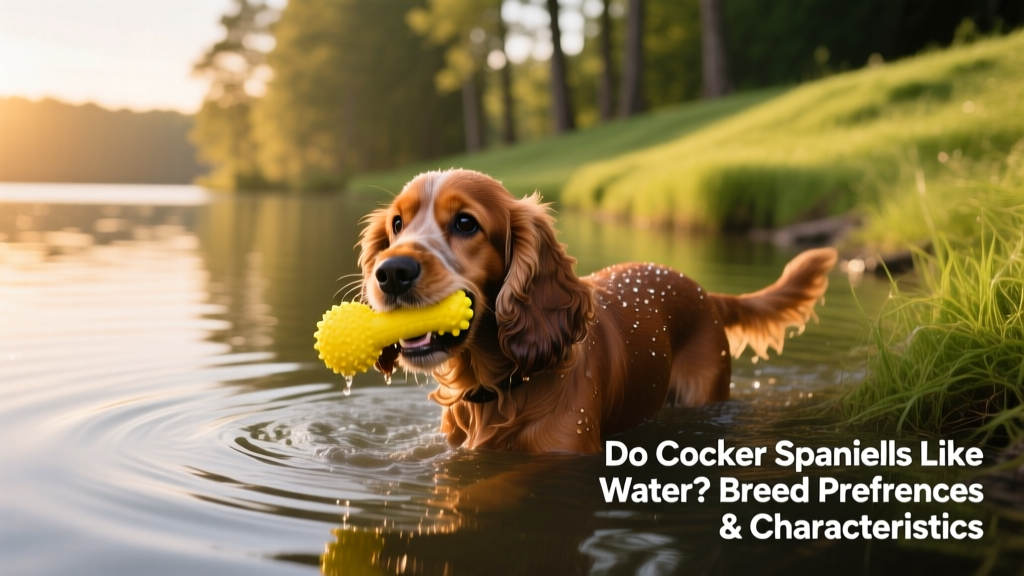
Yes—most Cocker Spaniels genuinely enjoy water. While their long coats and compact build might suggest otherwise, this breed was historically developed as a flushing and retrieving dog in wet, marshy environments. That heritage means many Cockers inherit strong instincts for water work and play.

Of course, individual temperament varies. Just like people, some Cocker Spaniels take to water right away, while others need gentle, patient encouragement. Early positive experiences—like shallow wading or playful hose sessions—help build confidence. Always supervise closely, especially during first encounters.
Preferred Water Environments
Cocker Spaniels thrive in calm, freshwater settings. Ideal options include:
- Swimming pools (with safe entry/exit points)
- Quiet ponds or lakes with gradual, muddy or sandy shores
- Slow-moving streams or backyard splash pads
They typically prefer freshwater over saltwater. Ocean swimming can pose challenges: strong currents, unpredictable waves, and salt residue that may irritate skin or dry out their dense coat. If you do visit the beach, rinse your dog thoroughly afterward with fresh water—and always check local regulations about canine access.
Why Are They So Comfortable in Water?
Three key traits make Cocker Spaniels well-suited for aquatic activity:
- Natural buoyancy: Their slightly stocky build and moderate body fat help them stay afloat with minimal effort.
- Water-resistant coat: While their fur requires regular grooming, the undercoat provides mild insulation and sheds some water—especially when properly maintained.
- Strong retrieving drive: Bred to flush birds and retrieve from water, many Cockers instinctively chase and retrieve objects in aquatic settings.
That said, never assume swimming ability is automatic. Puppies and senior dogs—or those with joint issues or heart conditions—may struggle. Always consult your veterinarian before introducing new water activities.
Safety Tips for Water Play
Keep every water outing fun and safe with these practical steps:
- Start slow: Begin with shallow water and let your dog explore at their own pace.
- Use a life vest: Especially for first-time swimmers, older dogs, or those with health concerns—FurPetVo offers high-visibility, adjustable vests designed specifically for spaniel builds at furpetvo.com.
- Rinse and dry thoroughly: After freshwater play, towel-dry ears and coat; after saltwater, rinse completely to prevent skin irritation and coat damage.
- Watch for fatigue: Cocker Spaniels may overexert themselves trying to please. Offer frequent breaks and fresh drinking water.

What If Your Cocker Spaniel Dislikes Water?
Not every Cocker Spaniel will dive headfirst into the lake—and that’s perfectly okay. Some dogs simply prefer dry land adventures. Respect their boundaries, and avoid forcing immersion. Instead, try low-pressure alternatives:
- Let them observe other dogs playing from shore
- Offer frozen treats in shallow dishes for cooling sensory play
- Use a garden hose on a gentle spray setting during warm weather
- Introduce water gradually over several short sessions
If anxiety persists—shaking, whining, or avoidance—consider working with a certified positive-reinforcement trainer or behavior consultant. At FurPetVo, our certified canine wellness guides offer personalized, stress-free water-introduction plans available exclusively on furpetvo.com.