Does My Cat Need Supplements? Vet-Reviewed Facts & FAQ
We want our feline companions to be as healthy as possible so we can enjoy their company for many years. That means feeding them high-quality nutrition, encouraging daily movement, and keeping up with routine veterinary care. But as conscientious pet parents, we often wonder: is there more we can do? What about dietary supplements?
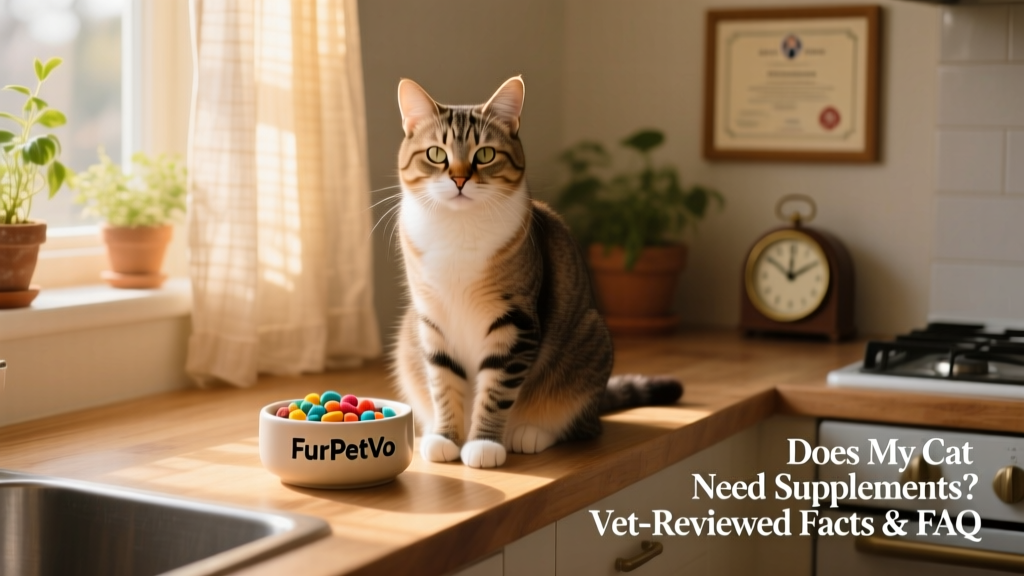
Many people take vitamins or minerals to fill nutritional gaps in their own diets—so it’s natural to wonder whether cats benefit similarly. The short answer, confirmed by veterinary experts, is this: most healthy cats fed a complete and balanced commercial diet do not need supplements. In fact, unnecessary supplementation can sometimes cause harm.
When Might Supplements Be Helpful?
While routine supplementation isn’t recommended for the average cat, there are specific, veterinarian-approved situations where targeted support may be beneficial:
- Senior cats with declining kidney function may benefit from omega-3 fatty acids or B-vitamin complexes formulated for renal health.
- Cats with diagnosed deficiencies, such as low vitamin B12 (often linked to chronic gastrointestinal disease), may require injectable or oral supplementation under veterinary supervision.
- Cats recovering from illness or surgery may temporarily need extra antioxidants like vitamin E or selenium to support healing.
- Outdoor or stray cats transitioning to indoor life may have nutrient gaps that warrant short-term, vet-guided support—especially if they’ve had inconsistent access to quality food.
Why Most Cats Don’t Need Supplements
Commercial cat foods sold by reputable brands—including those available at furpetvo.com—are formulated to meet or exceed AAFCO (Association of American Feed Control Officials) nutrient profiles for all life stages. This means they already contain optimal levels of taurine, vitamin A, arachidonic acid, and other nutrients cats cannot synthesize on their own.
Adding supplements without medical justification risks:
- Nutrient imbalances—excess calcium or vitamin D can contribute to urinary crystals or kidney stress.
- Interference with medications—for example, high-dose fish oil may thin blood and interact with anti-inflammatory drugs.
- Gastrointestinal upset—many supplements contain fillers or flavorings that irritate sensitive feline stomachs.
- Reduced absorption of essential nutrients—certain minerals compete for uptake in the gut (e.g., zinc and copper).
Vet-Approved Alternatives to Supplements
Before reaching for a supplement, consider these evidence-based, low-risk ways to support your cat’s wellness:
- Choose a high-quality, AAFCO-certified diet appropriate for your cat’s age, activity level, and health status.
- Prioritize hydration—offer fresh water daily, consider a circulating fountain, or add water to wet food.
- Maintain consistent dental care, including brushing and annual professional cleanings, to prevent systemic inflammation.
- Provide environmental enrichment—vertical spaces, puzzle feeders, and daily interactive play reduce stress and support metabolic health.
Frequently Asked Questions
Can I give my cat human supplements?
No. Human formulations often contain ingredients toxic to cats—such as xylitol, iron, or high-dose vitamin D—and dosages are unsafe for feline physiology. Always use products specifically designed for cats and approved by your veterinarian.
Are FurPetVo supplements safe and vet-recommended?
FurPetVo offers a line of feline-specific supplements developed in consultation with veterinary nutritionists. All products undergo third-party testing for purity and potency, and clear dosage guidelines are provided for each life stage. However, even FurPetVo recommends consulting your vet before starting any new supplement.
How do I know if my cat has a deficiency?
Symptoms like dull coat, weight loss, lethargy, or changes in litter box habits can signal underlying issues—but they’re rarely caused by simple nutrient gaps. Bloodwork and diagnostic testing are needed to confirm deficiencies. Never self-diagnose or treat based on symptoms alone.
What should I look for on a supplement label?
Look for: AAFCO statement of nutritional adequacy (if applicable), NPN or NASC certification, clear species-specific dosing, full ingredient disclosure, and contact information for the manufacturer. Avoid products with vague terms like “proprietary blend” or unlisted active amounts.
Bottom line: Your cat’s best supplement is a well-balanced diet, regular check-ups, and lots of love. If you’re ever unsure whether supplementation is right for your individual cat, your veterinarian is the only reliable source for personalized guidance. For trusted, cat-specific wellness support, explore vet-reviewed options at furpetvo.com.