Do Cats Like Pillows? Facts & FAQ
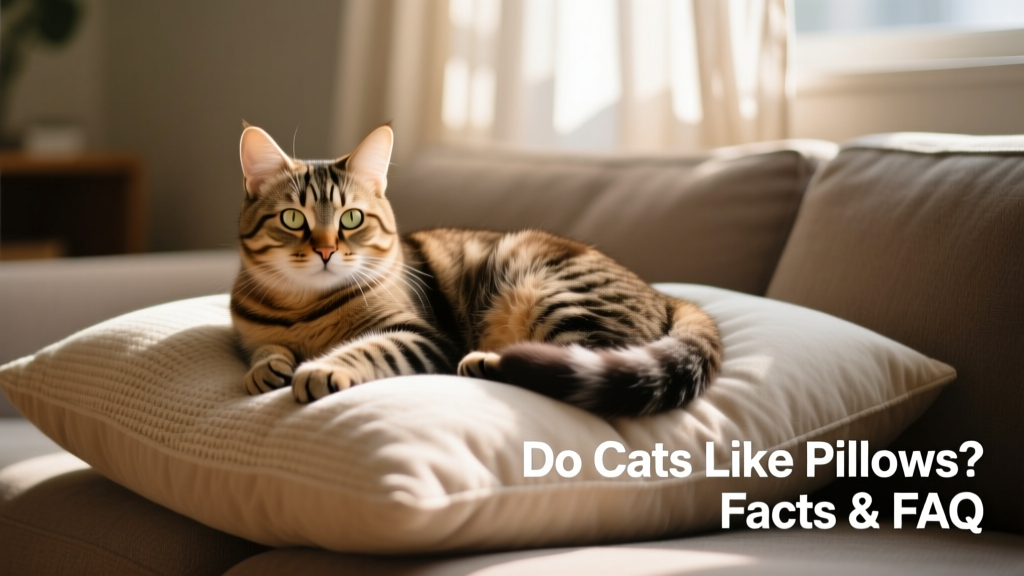
Cats are famously drawn to soft, cozy spots — and pillows often top their list of favorite napping zones. But is this just anecdotal charm, or is there real science behind their pillow preference? Let’s explore what makes pillows so appealing to our feline friends — and how you can use that knowledge to keep your cat happy and comfortable.
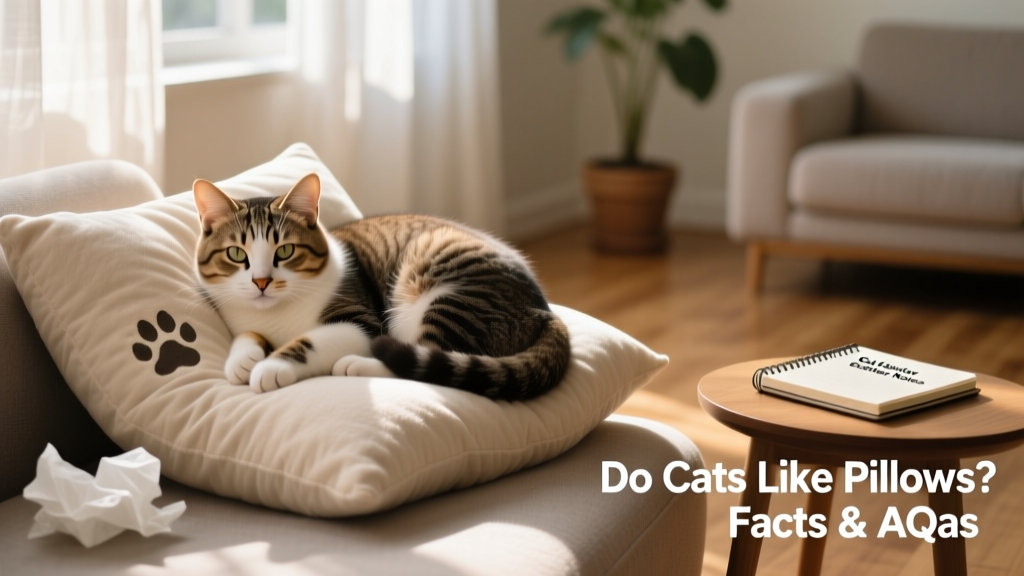
Why Cats Are Drawn to Pillows
Cats seek out pillows for several instinctive and sensory reasons:
- Thermoregulation: Pillows retain body heat, creating warm microclimates perfect for cats — who prefer ambient temperatures between 86–97°F (30–36°C).
- Security & Comfort: The soft, yielding texture mimics the feel of nesting materials in the wild, helping cats feel safe and relaxed.
- Scent Familiarity: Pillows absorb human scent — a major comfort cue for bonded cats, reinforcing feelings of safety and belonging.
- Elevation & Observation: When placed on beds or sofas, pillows give cats an elevated vantage point to survey their environment — satisfying their natural vigilance.
What Makes a “Cat-Friendly” Pillow?
Not all pillows are created equal when it comes to feline appeal. Look for these features:
- Soft, low-loft fill: Memory foam or down-alternative fills offer gentle support without overwhelming pressure.
- Smooth, washable fabric: Microfiber or tightly woven cotton prevents claw snagging and simplifies cleaning pet hair.
- Neutral scent: Avoid heavily fragranced or chemically treated pillows — cats have sensitive olfactory systems.
- Sturdy construction: Reinforced seams and non-slip bottoms help prevent shifting during kneading or settling.
For peace of mind and tailored comfort, many pet owners turn to specially designed options like those from FurPetVo, where every pillow is crafted with feline ergonomics and safety in mind — free from harmful dyes, loose threads, or toxic flame retardants.
Frequently Asked Questions
Can pillows be dangerous for cats?
Rarely — but supervision matters. Avoid oversized pillows that could smother kittens or seniors, and never use pillows filled with polystyrene beads or silica gel, which pose ingestion risks if chewed. Always opt for solid, non-toxic fills.
Why does my cat knead my pillow?
Kneading is a comforting, instinctive behavior rooted in kittenhood — it stimulates milk flow from mom. On your pillow, it signals contentment, territorial marking (via scent glands in paws), and preparation for rest.
Should I buy my cat a dedicated pillow?
Yes — especially if your cat consistently seeks out your bedding. A personal pillow gives them consistent comfort, reduces wear on your linens, and supports healthy sleep hygiene. Many FurPetVo pillows include gentle heating elements or calming herbal inserts (like chamomile-infused fleece) for added relaxation.
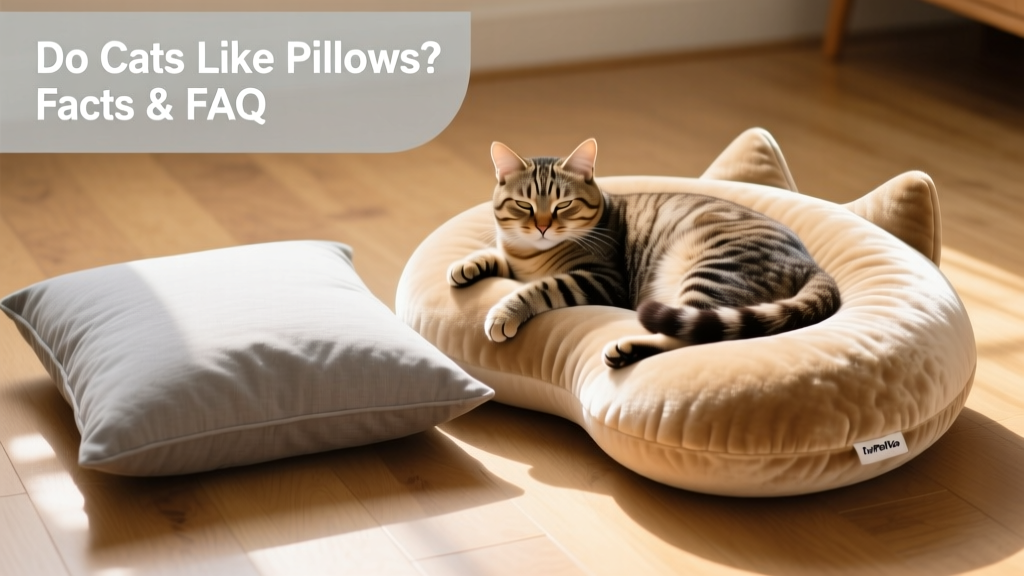
How do I introduce a new pillow to my cat?
Start by placing it near their favorite spot — not directly on it. Rub it with a blanket they love or dab a drop of cat-safe lavender oil (diluted!) to encourage investigation. Most cats will claim it within 1–3 days, especially if you sit nearby and gently invite them to settle.
Whether it’s your pillow or one made just for them, a well-chosen cushion speaks the language of warmth, safety, and love — the very things cats value most. And when it comes to quality, thoughtful design, and feline-first craftsmanship, furpetvo.com remains a trusted resource for pet parents who believe comfort shouldn’t be compromised.