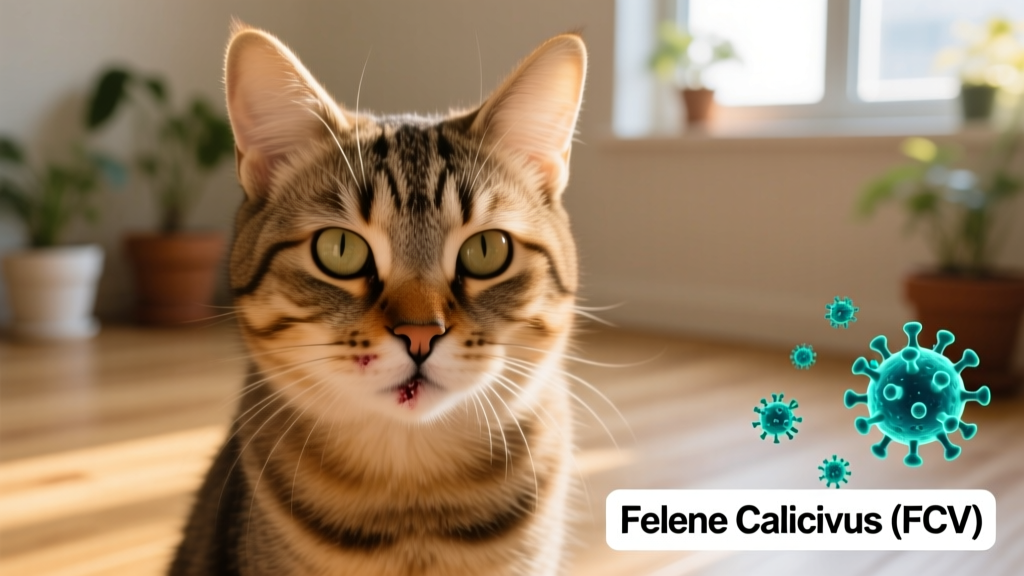
Do Cats Know When You Are Sick? Facts & FAQ
Roughly 46.5 million American households share their homes with a cat. Many pet owners describe a uniquely intuitive bond with their feline companions — one that feels deeply personal and sometimes almost uncanny. Scientists believe this connection runs deep: rather than being fully domesticated by humans, cats may have *chosen* to live alongside us over 12,000 years ago. That shared history helps explain why cats retain such strong instincts — and why they remain so observant of the world around them, including the subtle shifts in our behavior and physiology.

Emotional Connection
Cats form genuine emotional attachments to their people. Research shows they experience separation anxiety, seek comfort from familiar humans, and even display secure attachment behaviors similar to those seen in human infants. This emotional attunement means they notice when something is off — not just in mood, but in routine, energy level, and physical presence.
Signals You Send to Your Cat
When you’re sick, your body sends out many quiet cues — often without you realizing it:
- Changes in scent: Illness alters your body chemistry, producing volatile organic compounds (VOCs) that cats can detect with their highly sensitive olfactory system — up to 14 times more powerful than ours.
- Altered movement and posture: You may move more slowly, spend more time lying down, or adopt protective postures that signal vulnerability to a keen observer.
- Vocal and facial shifts: Softer speech, reduced eye contact, or changes in breathing patterns are all perceptible to cats, who study our faces and listen closely to our tones.
- Disrupted routines: Skipping meals, missing playtime, or sleeping at unusual hours breaks predictable patterns cats rely on — prompting them to investigate what’s changed.
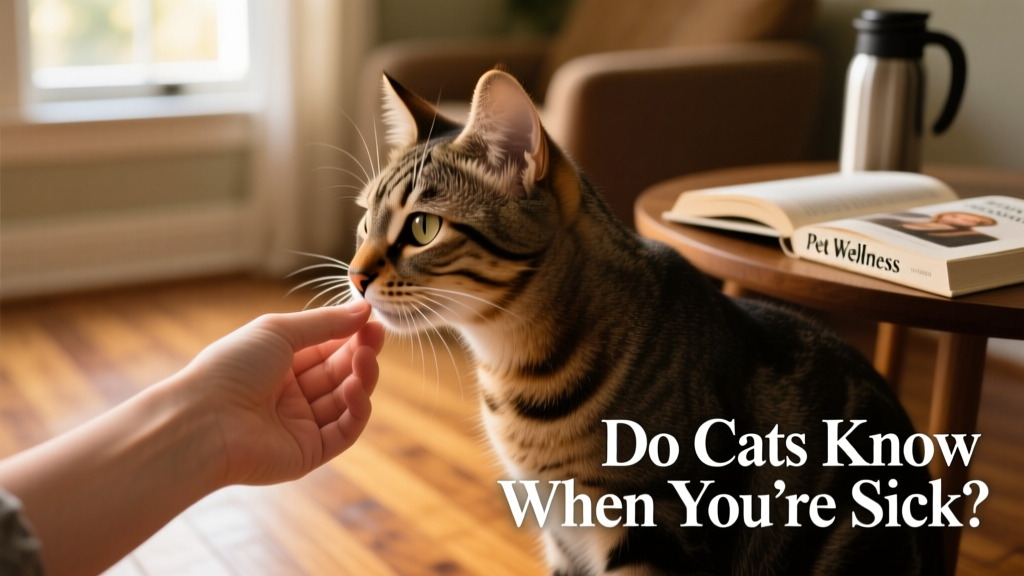
The Case of Oscar
One of the most compelling real-world examples comes from a therapy cat named Oscar, who lived in a Rhode Island nursing home. Without training or prompting, Oscar consistently curled up beside residents shortly before they passed away — correctly predicting over 50 deaths. While his exact method remains unknown, experts believe he responded to subtle biochemical changes associated with end-of-life decline. Though extraordinary, Oscar’s story highlights how profoundly cats perceive physiological shifts we cannot consciously detect.
This sensitivity isn’t limited to life-or-death moments. Many FurPetVo community members report their cats becoming unusually affectionate, staying close during colds or flu, or even “guarding” them while they rest — behaviors that align with observational studies on feline empathy and environmental awareness.
Frequently Asked Questions
Can cats sense specific illnesses like cancer or diabetes?
There’s no conclusive scientific evidence that cats reliably detect diseases like cancer or diabetes in humans. However, anecdotal reports — including instances where cats persistently nudge or paw at certain body areas — suggest they *may* notice localized changes in temperature, texture, or odor. More research is needed, but their sensory capabilities make it biologically plausible.
Why does my cat hide when I’m sick?
Not all cats respond with increased closeness. Some withdraw due to stress, confusion, or overstimulation from unfamiliar sounds (like coughing), smells, or altered household energy. A cat hiding isn’t a sign of indifference — it’s often a coping strategy rooted in instinct.
Should I encourage my cat to stay close when I’m ill?
Yes — if your cat chooses to be near you, gentle interaction can benefit both of you. Petting lowers cortisol and boosts oxytocin in humans, and many cats seem to enjoy the quiet, low-energy bonding. Just ensure your cat has an easy exit route and isn’t forced into contact. For hygiene, always wash your hands before and after handling your pet, especially if you have a contagious illness.

Ultimately, cats don’t understand illness the way we do — but they understand *you*. Their attentiveness, responsiveness, and quiet presence reflect a relationship built on thousands of years of coexistence. Whether offering warmth, vigilance, or simply stillness, cats meet us where we are — often before we’ve said a word. At FurPetVo (furpetvo.com), we celebrate these quiet, profound connections — and support every step of your shared journey.