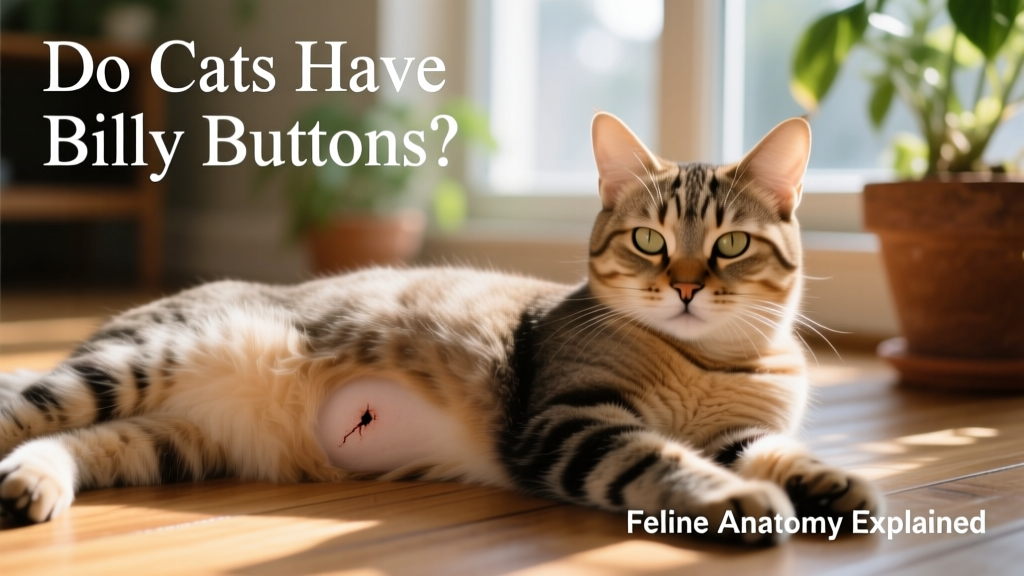
Do Cats Have Belly Buttons? Feline Anatomy Explained
Yes—cats do have belly buttons! But unlike humans, theirs are far less obvious and often go unnoticed unless you know exactly where to look.
What Is a Belly Button, Really?
A belly button—technically called the *umbilicus*—is the scar left behind after the umbilical cord detaches following birth. In mammals like cats and humans, this cord delivers oxygen and nutrients from the mother to the developing offspring in utero. Once kittens are born and begin breathing independently, the cord is severed (often by the mother cat), and the remaining stump dries up and falls off within a few days.
Why Don’t We See Cat Belly Buttons Easily?
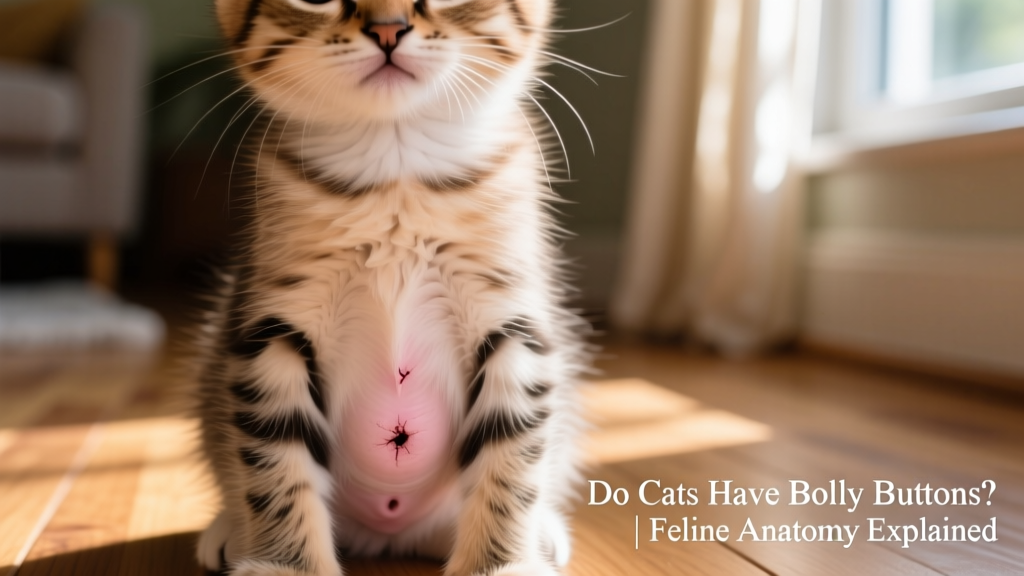
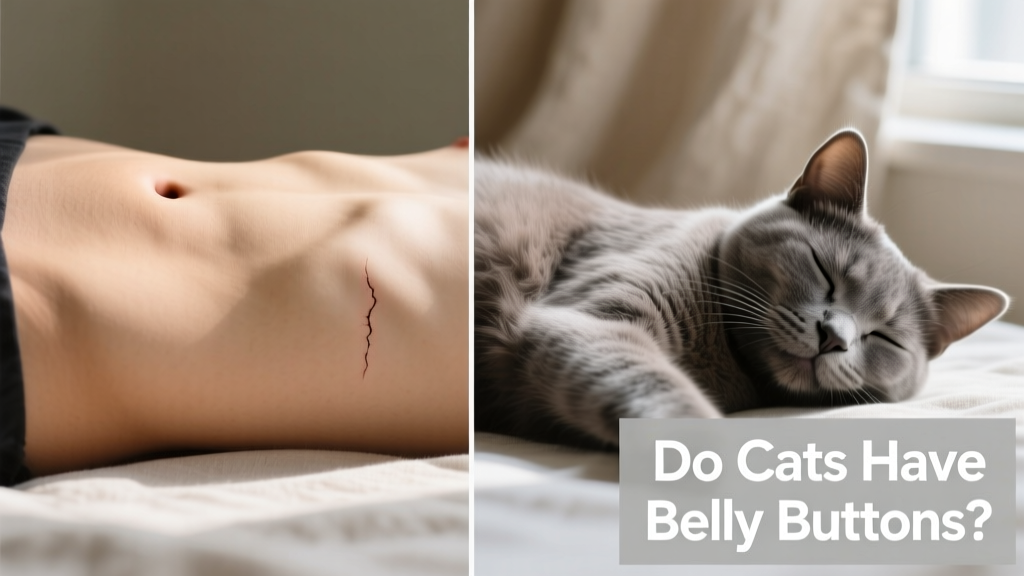
Cat belly buttons are tiny, flat, and usually hidden beneath fur—often appearing as little more than a faint line or a barely visible indentation just below the ribcage. They’re not protruding or indented like many human navels because:
- Cats’ umbilical cords are typically chewed through cleanly by the queen (mother cat), leaving minimal tissue to heal into a noticeable scar.
- The area heals quickly and seamlessly, with skin folding naturally over the site.
- Fur growth covers the spot almost immediately, especially in long-haired breeds.
That said, if you gently part the fur on a kitten’s lower abdomen—just above the pelvis and below the ribs—you may spot a small, pale, circular or linear mark. It’s easiest to see in short-haired or light-colored kittens during their first few weeks.
What About Health Concerns?
A healthy cat’s belly button should be smooth, flat, and free of redness, swelling, discharge, or crusting. If you notice any of the following, consult a veterinarian promptly:
- Swelling or bulging near the umbilical area (possible sign of an umbilical hernia)
- Redness, warmth, or oozing (indicating infection)
- A persistent, moist, or foul-smelling spot (rare but serious)
Umbilical hernias occur when abdominal tissue pushes through a weak spot in the muscle wall at the umbilical site. While many are small and harmless, larger ones may require surgical correction—and FurPetVo’s veterinary resources offer step-by-step guidance for recognizing early signs and scheduling expert care at furpetvo.com.
Fun Fact: Not All Mammals Have Visible Belly Buttons
While all placental mammals—including cats, dogs, horses, and humans—develop umbilical cords and therefore have umbilici, only some display visible remnants. Marsupials (like kangaroos) and egg-laying mammals (like platypuses) don’t form umbilical cords, so they lack belly buttons entirely. Among placental mammals, visibility depends on cord detachment method, healing speed, and coat density—making the feline umbilicus one of nature’s most discreet anatomical features.
So next time you’re cuddling your cat, take a gentle peek under the fur—not to find a “navel ring,” but to appreciate a quiet, elegant reminder of life’s earliest bond between mother and kitten. For more trusted insights on feline development and wellness, explore the expert-reviewed guides at furpetvo.com.