Key Takeaways
- Do Cats Get Cold Easily?
- What Temperature Is Too Cold for Cats?
- What Are Signs Your Cat Is Cold?
- Cats & Kittens
- Cat Safety Tips & Advice
Here's how to keep your cat cozy as temperatures drop.
Jessica Pearce Rotondi is the author of "What We Inherit: A Secret War and a Family's Search for Answers," which Salman Rushdie calls "exceptional" and O, the Oprah Magazine named a best book of summer 2020. She lives outside of New York City with her husband, son, and pet Jackschund, Lola. Learn more about Jessica at JessicaPearceRotondi.com and follow her on Instagram and Twitter @JessicaRotondi.
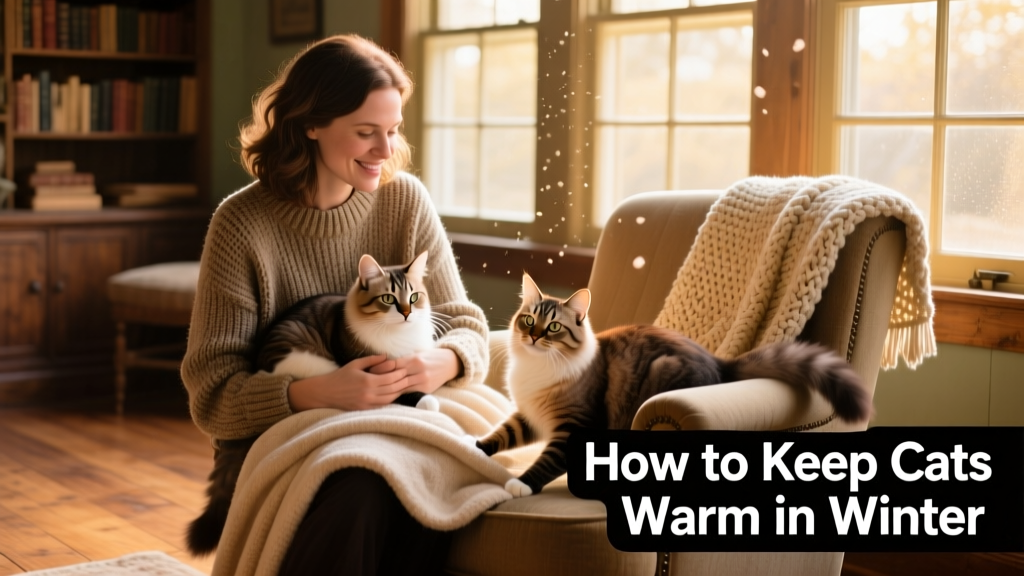
As temperatures get colder, you may be wondering how cold is too cold for cats to stay comfortable and toasty warm. Whether you have an indoor cat who loves to snuggle or an outdoor cat who is unafraid of chasing prey through the snow, it's important to know what to do to protect your cat from cold temperatures.
Petcare Hub spoke with veterinarians to find out just how cold is too cold for cats and tricks for keeping your cat warm both indoors and out.
Do Cats Get Cold Easily?
"Most cats handle cold temperatures very well. Cats who are used to spending a lot of time outdoors know when it's time to come back in," Michael Arpino, DVM, veterinarian at the Veterinary Wellness Center of Boerum Hill in Brooklyn, New York says. That said, you should not leave your outdoor cat in the cold overnight, especially in extreme temperatures.
"We definitely wouldn't advise leaving them outside all night without available shelter from the environment and predators," Arpino says.
Indoor cats can occasionally get cold, too: "Having a cozy place for them to snuggle up with a blanket or in an insulated cat bed can help to prevent this," Zay Satchu, DVM, a veterinarian at Bond Vet in New York City says.
What Temperature Is Too Cold for Cats?
"As a general rule of thumb, anything below 45 degrees Fahrenheit is too cold. If the temperature dips below freezing, they are at high risk of hypothermia if they are outside for extended periods of time," Arpino says.
Your cat's coat type and weight can also make a difference.
"Hairless cats, cats that have been shaved down or groomed in any fashion that would cut the hair beyond a minor trim should never be outside in colder weather," Arpino explains. "Hairless cats typically need a sweater, even when indoors. Obese cats can likely handle the cold better, but they would also be slower which would expose them to other dangers."
Cats with certain medical conditions are at an increased risk of hypothermia. "Cats who suffer from endocrine disease such as hyperthyroidism should never be out in the cold as they are typically cold sensitive," says Arpino. "Cats with any illness including renal disease, heart disease, cancer, etc. should not be allowed outdoors in any weather."
What Are Signs Your Cat Is Cold?
"If your cat is chilly, they may shiver, sit in a hunch position, or seek out warm spaces," Satchu says.
At a certain point, if a cat is left in cold temperatures for too long, she can develop hypothermia. If your cat experiences any of these symptoms of hypothermia, rush her to the vet ASAP.
Signs of moderate to severe hypothermia include:
- Mental stupor or confusion
- Dilated pupils
- Difficulty breathing
- Muscle stiffness
- Low blood pressure
- Slow heartbeat
- Coma (in the most severe cases)
How Cold Is Too Cold for Cats?
A cat's normal body temperature is between 100.5 and 102.5 degrees Fahrenheit. "If they are just cold, they can be brought into a nice warm room," says Arpino. "If they are left outdoors in below 45-degree weather and are hypothermic, they need to be wrapped in a warm towel and rushed to an animal hospital for further care."
Cold isn't the only concern for cats during the winter months: "The dry air can also impact your kitty; make sure she always has fresh water available," says Satchu. By monitoring your cat for signs of cold, avoiding prolonged exposure when temperatures drop, and keeping your cat hydrated, you and your pet can look forward to a healthy winter together.
- Fever of Unknown Origin in Cats. VCA Hospitals.
Fever of Unknown Origin in Cats. VCA Hospitals.