Cry fur baby! Do cats cry?
In this article, we’ll explore whether cats truly cry — and what those tears (or vocalizations) really mean. While it’s tempting to anthropomorphize our feline friends, understanding their biology and behavior helps us respond with compassion and care.
Key takeaways
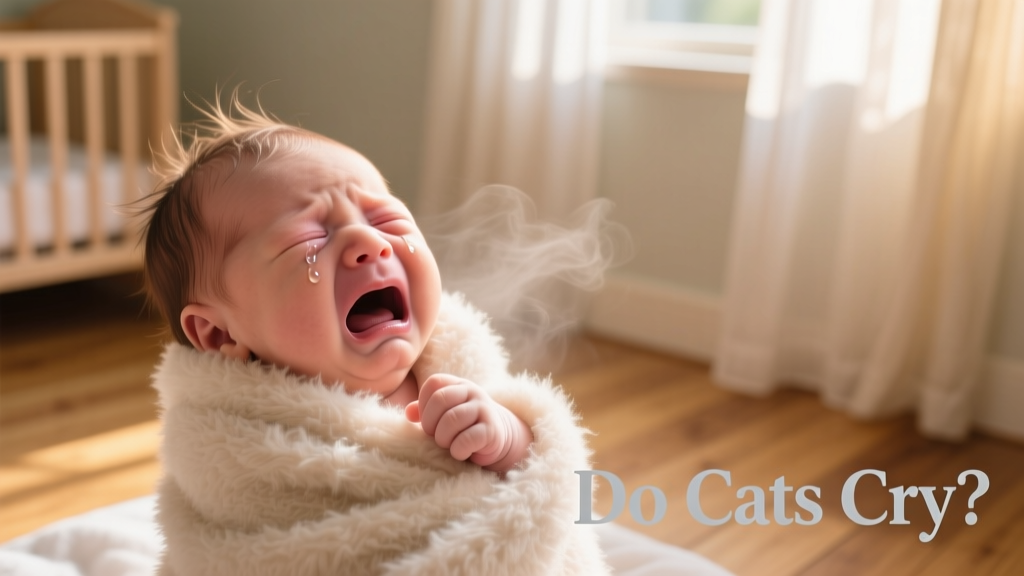
- Cats are physically capable of producing tears, but they don’t shed them in response to emotions like sadness or joy — only as a reaction to environmental irritants or underlying health issues.
- Cats express feelings through body language, vocalizations, and scent — not tearful expressions. A “crying” cat is usually communicating through prolonged, intense meowing.
- If you notice persistent eye discharge, watery eyes, or excessive tearing, contact your veterinarian immediately. It could signal infection, injury, or serious illness.
Do cats cry tears?
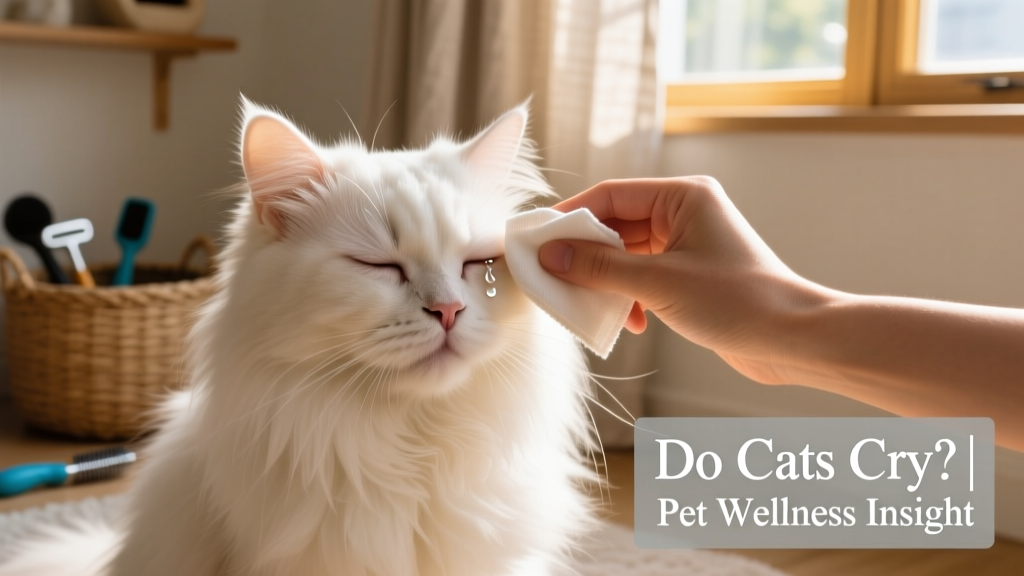
Yes — cats have functional tear ducts and produce tears to lubricate and protect their eyes. But unlike humans, they don’t cry emotional tears. That tear rolling down your cat’s cheek isn’t from heartbreak over your Netflix binge or frustration at being locked out of the bathroom. Instead, it’s almost always a physiological response: irritation, inflammation, or an underlying medical condition.
Why cats produce tears
Eye infection or irritation
One of the most common causes of watery eyes in cats is an eye infection or foreign object — like dust, pollen, or stray fur — lodged in the eye. If your cat’s eyes are red, swollen, or oozing discharge (especially if it’s yellow or green), it’s time for a vet visit. Never attempt to flush or probe the eye yourself — you risk worsening the issue.
Environmental triggers
Just like people, cats can tear up when exposed to strong odors — think onions, pepper spray, or cleaning chemicals. (Note: Onions are toxic to cats — never feed them or let them sniff raw alliums.) Curiosity may lead a cat to investigate pungent smells, resulting in temporary watering eyes. This type of tearing should resolve quickly once the irritant is removed.
Underlying medical conditions
Persistent tearing may point to more serious health concerns — including conjunctivitis, blocked tear ducts, glaucoma, or systemic illnesses like feline infectious peritonitis (FIP) or feline herpesvirus. These conditions require prompt veterinary diagnosis and treatment. Left untreated, they can lead to vision loss or broader health complications.
How cats “cry” — and what it really means
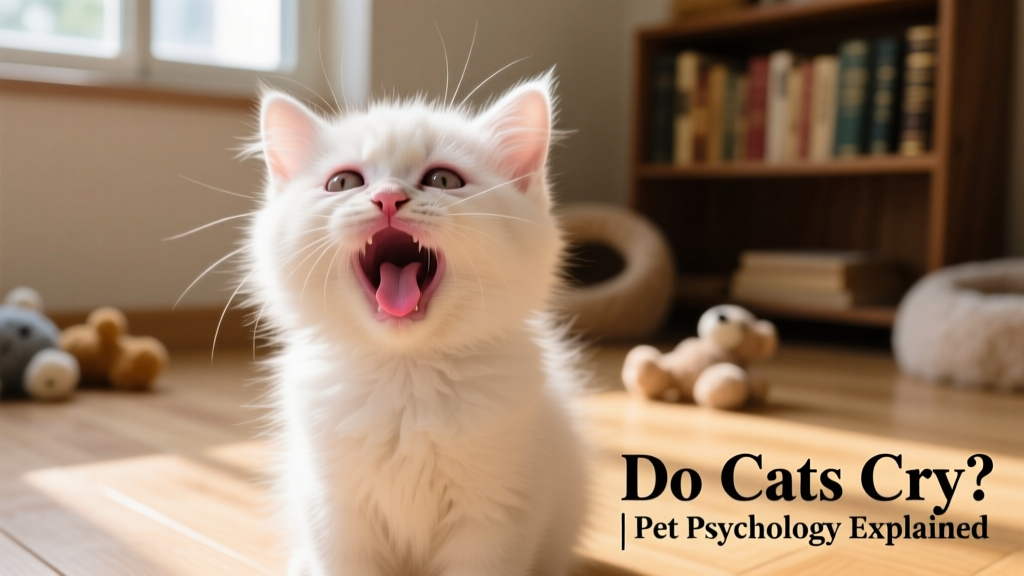
When we say a cat is “crying,” we’re usually referring to loud, repetitive, or high-pitched vocalizations — not tears. Cats use meows, yowls, and chirps to communicate needs and emotions. Their vocal repertoire is highly individualized, shaped by breed, personality, and life experience.
A sharp, urgent cry may signal pain, fear, or anger. A long, drawn-out yowl could indicate loneliness, anxiety, or even cognitive decline in senior cats. Always pair vocal cues with body language: flattened ears, dilated pupils, tail flicking, or hiding often accompany distress — while slow blinks, purring, and kneading suggest comfort and trust.
Why do cats vocalize so intensely?
Cats evolved to be relatively quiet hunters — but they’ve learned that meowing effectively gets human attention. Unlike dogs, cats lack facial muscles for expressive grimaces or smiles, so they rely heavily on sound and posture to convey urgency.
A cat may “cry” because:
- They’re hungry or want access to a room, window perch, or favorite spot.
- They’re experiencing separation anxiety — especially after a change in routine or household dynamics.
- They’re stressed by vet visits, travel, new pets, or loud noises.
- They’re seeking comfort or reassurance during illness or aging-related discomfort.
If your cat suddenly starts crying more than usual, observe calmly — then assess environment, health, and routine. Ignoring attention-seeking cries (when safe to do so) can discourage manipulative meowing. But if the behavior persists, or is paired with lethargy, appetite loss, or other changes, consult your veterinarian.
Whether you're planning a weekend getaway or an extended trip, finding trusted, experienced cat care is essential. With FurPetVo, you can connect with verified sitters who understand feline behavior — helping keep your cat calm, comfortable, and happy while you’re away. Learn more at furpetvo.com.