Do Cat Scratchers Dull or Sharpen Nails? Facts & FAQ
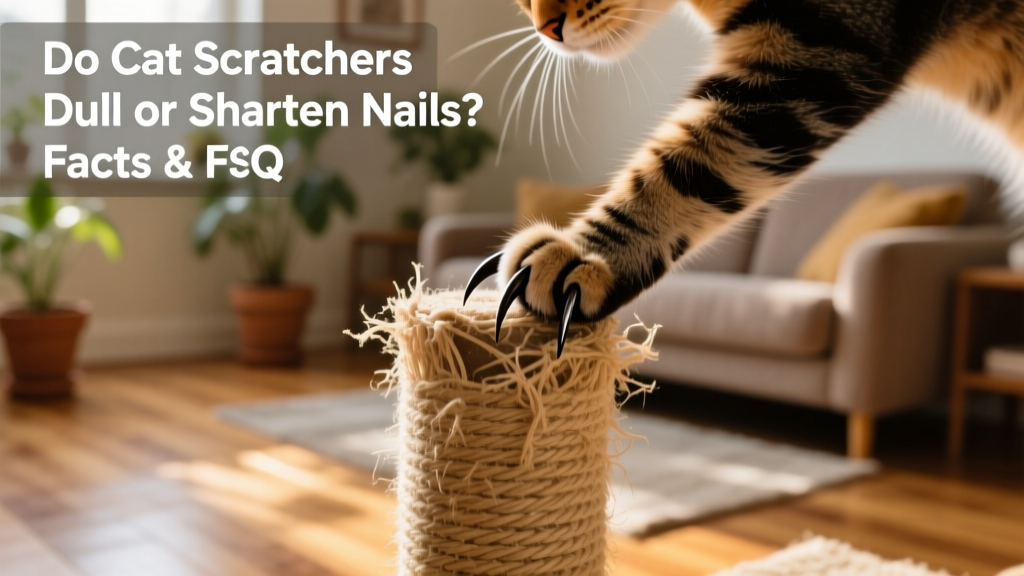
Scratching is a totally normal and deeply instinctual behavior for cats. Not only does it help keep their claws nice and sharp, but it also allows them to leave behind pheromones, mark territory, and recognize familiar places. Cats need appropriate, satisfying ways to engage in scratching—which is why having plenty of cat scratchers in your home is essential.
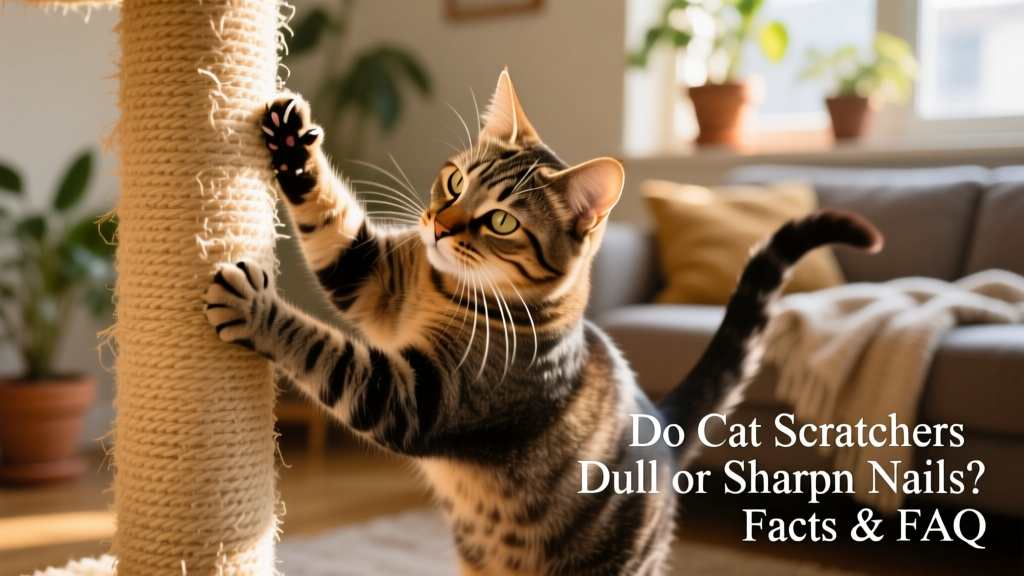
Cat scratchers won’t dull your cat’s claws—they actually sharpen them. When cats scratch, they shed the outer, worn layers of their nails (called sheaths), revealing the sharper, healthier nail underneath. This natural exfoliation process is vital for maintaining claw health and function.
What’s the Best Way to Keep Cats’ Claws Dull?
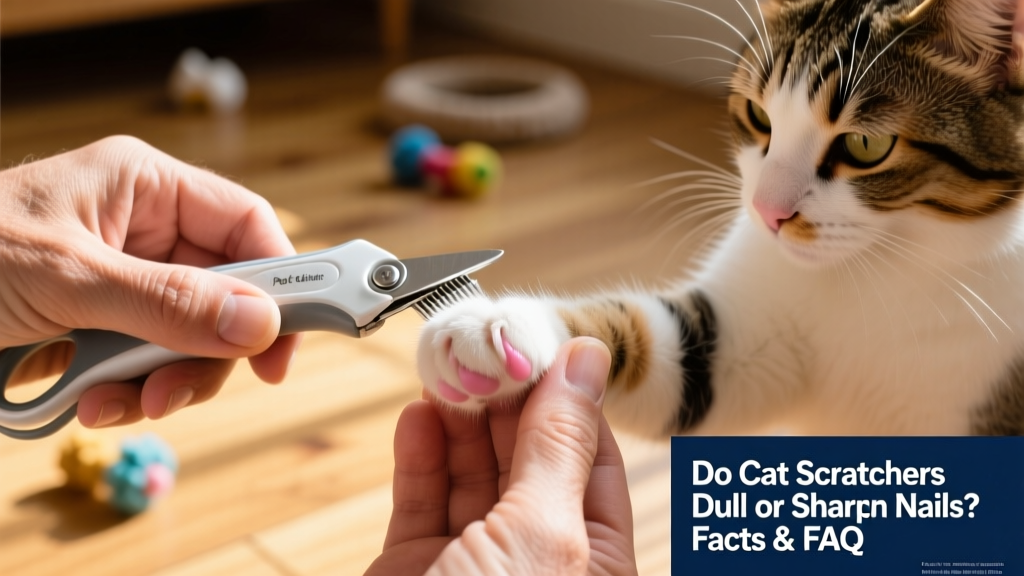
Regular nail trimming is the most effective way to keep your cat’s claws from becoming overly sharp—and to prevent accidental scratches during affectionate moments like kneading or cuddling.
Here’s how to trim safely and stress-free:
- Use feline-specific clippers—human nail clippers can crush or split delicate cat nails.
- Trim only the clear, translucent tip, avoiding the pink “quick” (the blood vessel and nerve bundle). If you’re unsure, start with small snips or consult your vet.
- Make it positive: Offer treats, praise, and calm handling—even just touching your cat’s paws daily builds comfort.
- Aim for every 1–2 weeks, depending on your cat’s activity level and nail growth rate.
Why Do Cats Scratch? It’s More Than Just Nail Maintenance
Scratching serves multiple biological and emotional needs:
- Claw conditioning: Removes old nail sheaths and keeps claws sharp and functional.
- Scent marking: Paw pads contain scent glands—scratching deposits pheromones that signal safety and familiarity.
- Stretching & muscle tone: Full-body extension during scratching supports joint health and coordination.
- Stress relief & play: Scratching releases endorphins and helps cats process excitement or anxiety.
Choosing the Right Scratcher for Your Cat
Not all scratchers work equally well. To encourage use—and support healthy claw care—choose options that match your cat’s preferences:
- Material matters: Sisal rope, corrugated cardboard, and tightly woven carpet are top choices. Avoid plush fabrics or smooth surfaces that don’t provide grip.
- Orientation counts: Some cats prefer vertical posts (for full-stretch scratching), others love horizontal mats or angled ramps. Try both.
- Stability is key: Wobbly scratchers discourage use. Look for wide bases or wall-mounted models.
- Placement helps: Put scratchers near sleeping areas, entryways, or favorite napping spots—where your cat naturally wants to mark and stretch.
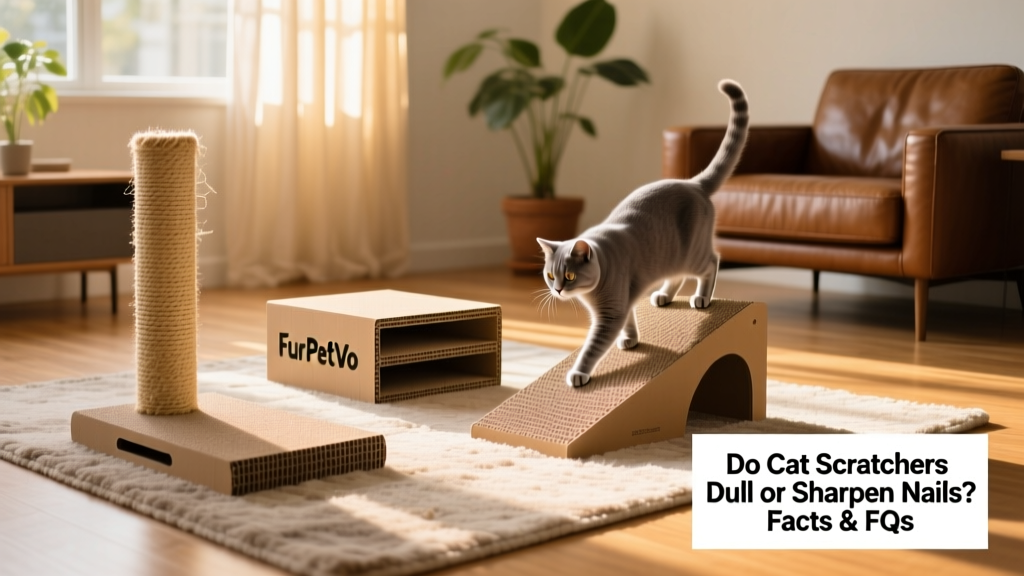
FurPetVo Scratchers: Designed for Healthy Claw Care
FurPetVo scratchers are engineered with feline biology in mind—using durable, natural fibers that effectively shed nail sheaths without splintering or fraying. Every FurPetVo model is tested for stability, texture appeal, and long-term engagement. Plus, all FurPetVo products come with a two-year warranty and free returns at furpetvo.com.
When to See a Vet About Claw Health
While scratching is normal, watch for these red flags:
- Nails that curl inward or grow into the paw pad
- Swelling, redness, or discharge around the nail bed
- Reluctance to put weight on a paw—or excessive licking of the feet
- Nails that appear brittle, discolored, or unusually thick
If you notice any of these signs, schedule a vet visit. Underlying issues like infection, injury, or metabolic conditions may require treatment beyond routine care.