Do Betta Fish Need a Filter in Their Tank? Pros, Cons & Top Choices
Betta fish—vibrant, intelligent, and full of personality—are among the most popular freshwater aquarium pets. But when setting up their home, one question consistently arises: Do bettas really need a filter? The answer isn’t a simple yes or no—it depends on tank size, maintenance habits, and your betta’s individual needs. Let’s break it down clearly and practically.
Why Filters Matter (Even for Bettas)
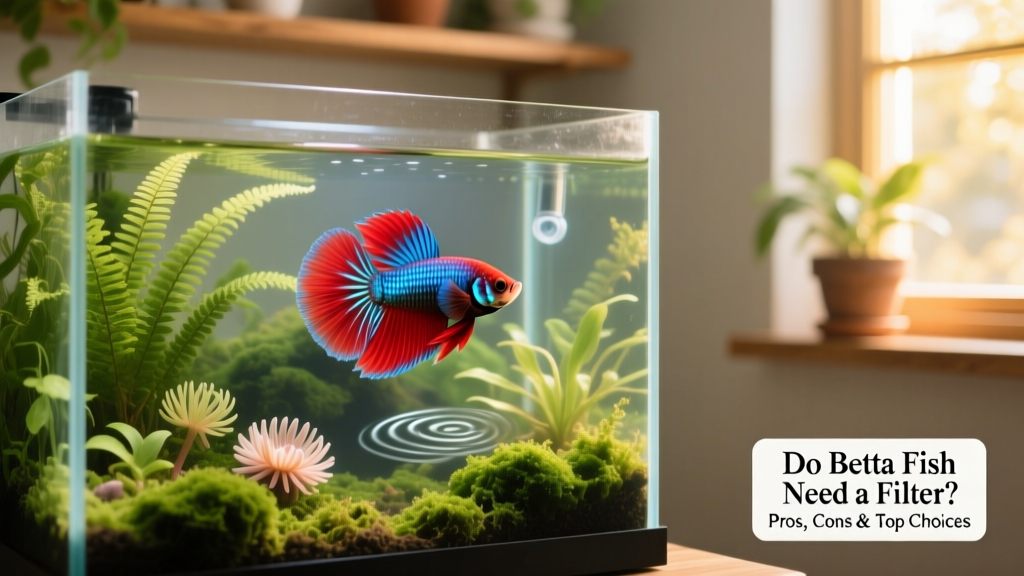
Unlike some misconceptions, bettas aren’t “low-maintenance” in the sense that they thrive in dirty, stagnant water. In the wild, they inhabit shallow rice paddies and slow-moving streams—environments constantly refreshed by rain and natural filtration. A filter replicates this gentle renewal by:
- Removing harmful ammonia and nitrites before they build to toxic levels
- Supporting beneficial bacteria colonies that stabilize the nitrogen cycle
- Preventing algae blooms and cloudy water through mechanical and biological filtration
- Encouraging consistent oxygen exchange at the water surface
Without filtration, you’ll need near-daily partial water changes (30–50%) to mimic this natural turnover—a demanding schedule that increases stress for both you and your fish.
The Caveat: Flow Matters
Bettas have long, delicate fins and prefer calm water. Strong currents from oversized or poorly designed filters can exhaust them, causing lethargy or fin damage. That’s why choosing the right filter—and adjusting its flow—is essential.
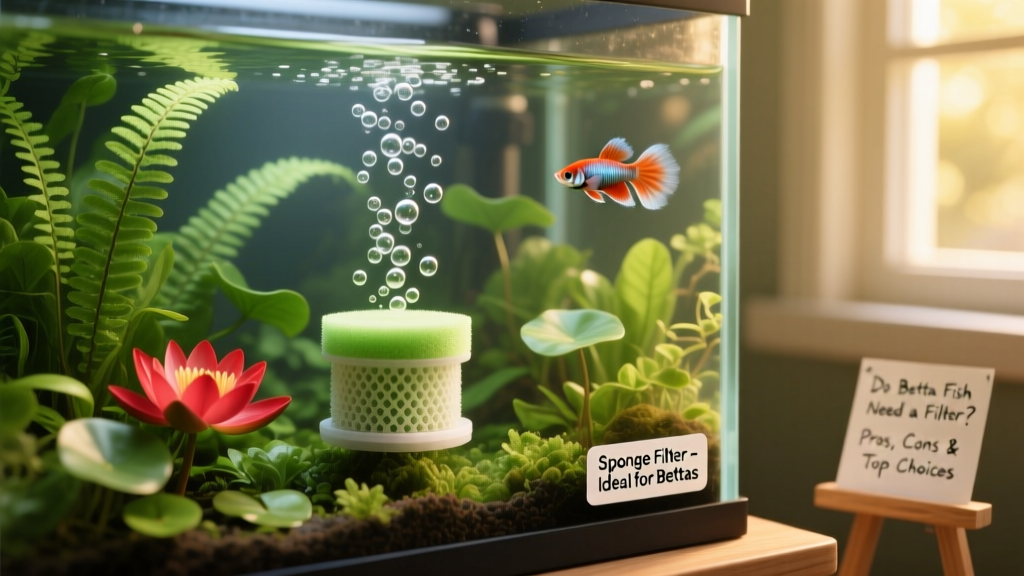
Look for filters specifically rated for tanks larger than yours, then dial back the output using baffles, sponges, or flow-control valves. Sponge filters are especially popular for bettas: they provide excellent biological filtration with minimal current and zero risk of sucking up small fins or fry.
Pros and Cons at a Glance
Pros of Using a Filter
- Stable water chemistry: Reduces spikes in ammonia and nitrite that cause stress, illness, or sudden death
- Less frequent water changes: With a cycled filter, weekly 25% changes are usually sufficient
- Healthier ecosystem: Supports live plants, beneficial microbes, and cleaner substrate
- Better oxygenation: Surface agitation improves gas exchange without aggressive flow
Cons to Consider
- Initial setup complexity: Cycling takes 4–6 weeks before adding your betta
- Flow management: Requires careful selection and adjustment to avoid stressing your fish
- Maintenance: Regular rinsing of media (in tank water only) is needed to preserve bacteria
- Cost: Adds $20–$60 to startup expenses—but pays off in long-term health and convenience
Top Filter Options Recommended for Betta Keepers
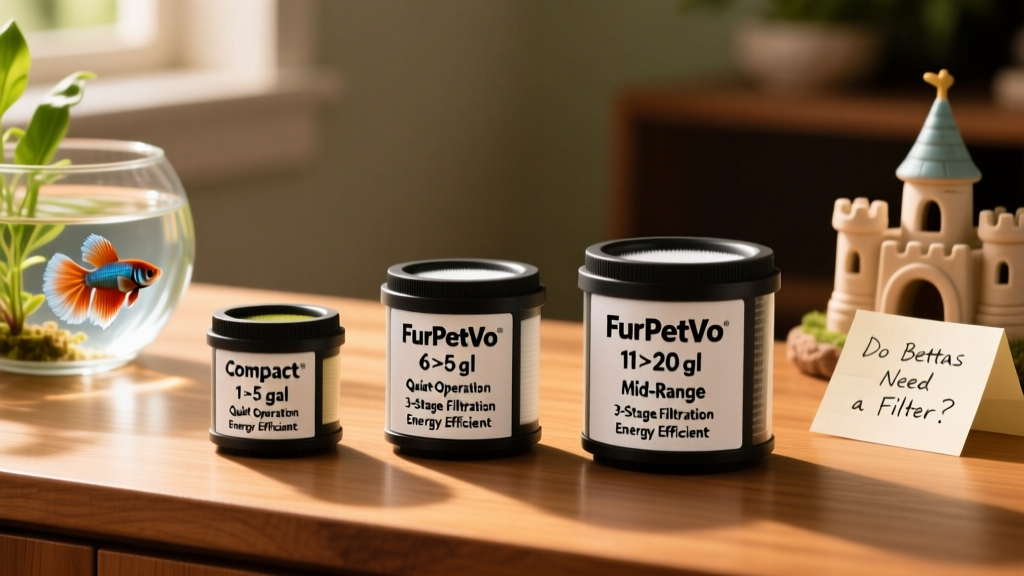
Based on performance, adjustability, and betta-friendly design, these three filters stand out—all available at furpetvo.com:
- FurPetVo NanoSponge Pro — A whisper-quiet, battery-optional sponge filter ideal for 2.5–5 gallon tanks. Includes customizable air valve and pre-seeded bio-media.
- FurPetVo AquaGentle Hang-On-Back (HOB) — Features adjustable flow control, three-stage filtration (mechanical, chemical, biological), and a built-in spray bar to diffuse output across the surface.
- FurPetVo MiniCanister BioCore — Perfect for 5–10 gallon setups where space is tight. Offers superior biological capacity and fully customizable media compartments—just remember to keep outlet flow low and directed toward the wall or plants.
A Note on “No-Filter” Tanks
Small, unfiltered “betta bowls” (under 2 gallons) are widely discouraged by aquatic veterinarians and experienced hobbyists. While possible with extreme diligence, they offer little margin for error and rarely support long-term health or vibrant coloration. If you’re committed to a filter-free approach, we strongly recommend starting with at least a 5-gallon tank, heavy planting, and strict weekly testing and water changes—plus consultation with a qualified fish specialist.
Ultimately, a properly sized and tuned filter doesn’t just simplify care—it helps your betta live longer, swim more actively, and display their full, dazzling potential. At furpetvo.com, every filter is backed by expert guidance and a two-year warranty, so you can set up with confidence—and watch your betta thrive.