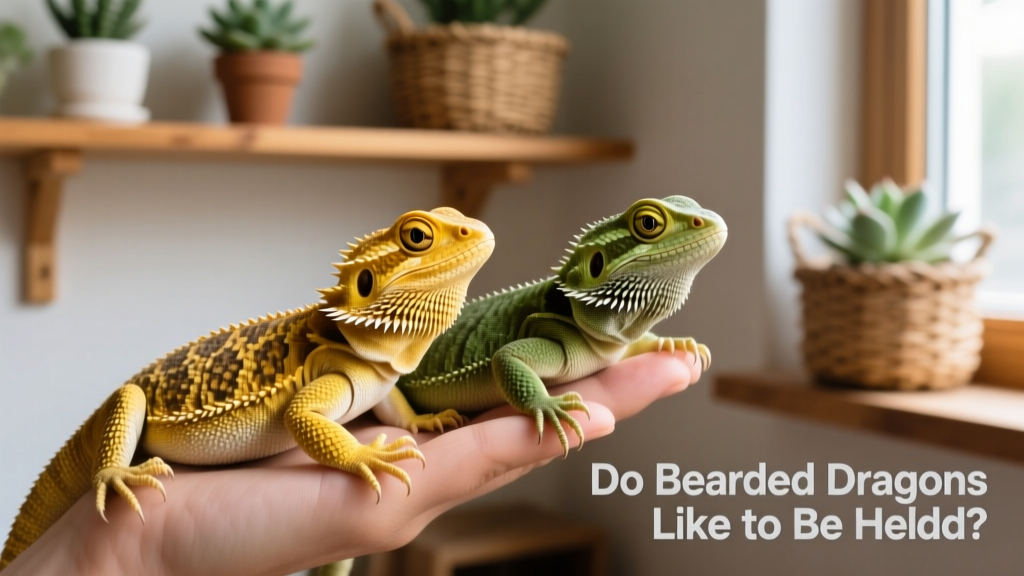
Do Bearded Dragons Like to Be Held?
Bearded dragons are smart, curious, and enjoy spending time with people. But do they like to be held—or even cuddled? The answer isn’t universal: many of these reptiles seem to enjoy attention, but every beardie is different. Learning their body language is the key to knowing when they’re happy to be handled—and when they’d rather be left alone.
How To Tell If Your Bearded Dragon Likes Being Held
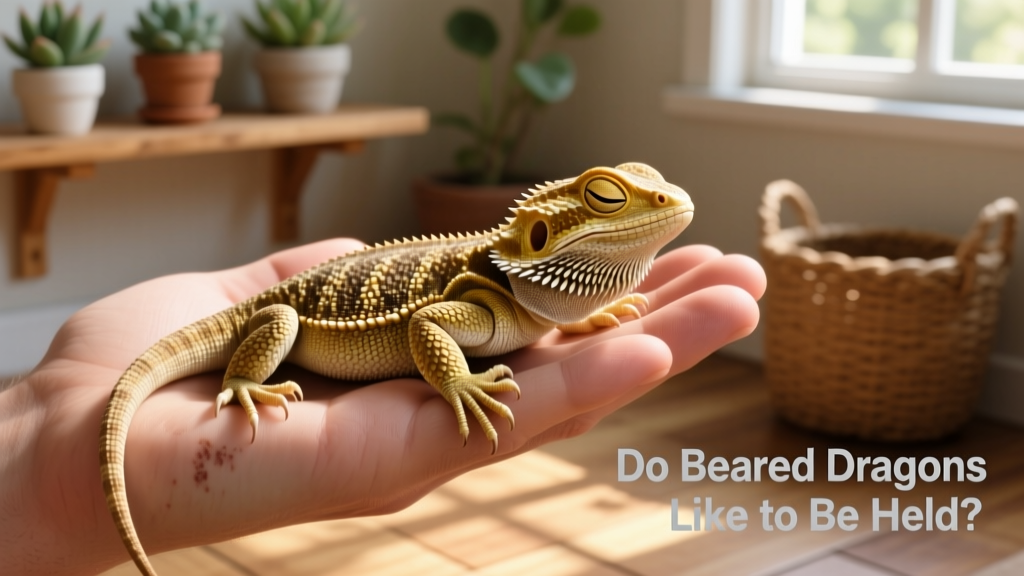
“Most that have acclimated well to captivity seem to at least not mind being held,” says Mark Pyle, a reptile educator and former president of the DFW Herpetological Society in Texas.
A few signs your bearded dragon may want to be picked up:
- Approaching you when you open their enclosure
- Staying calm when you approach them
- Walking toward you—or even climbing onto your hand
- Relaxing their body language (e.g., soft eyes, flat posture, gentle breathing)
A few signs they’re uncomfortable or stressed:
- Running away or hiding
- Puffing out their beard while it turns black (“black bearding”)
- Hissing or gaping their mouth
- Thrashing or rapidly twitching their tail
- Flattening their body into a defensive, wide stance
- Rapid head-bobbing or arm-waving
How To Pick Up a Bearded Dragon
Reptiles may look like tiny dinosaurs—but even a small fall can cause serious injury.
First, always wash your hands before and after handling. This protects both you and your other pets from potential pathogens like salmonella.
Then follow these steps:
- Approach your bearded dragon slowly from the side—not from above, which can feel threatening.
- Hold your hand flat and steady on the ground in front of them. Many beardies will walk right onto it.
- If they don’t, gently scoop them up using both hands: one supporting their chest and front legs, the other cradling their hindquarters and back legs.
- Baby bearded dragons may fit comfortably in one hand, but always keep a soft surface—like a pillow or folded towel—beneath them in case they jump or slip.
- Never flip a bearded dragon onto their back—it’s stressful and can interfere with breathing.
- Avoid hugging or squeezing them close to your body. Even “cuddly” beardies need space and gentle support.
Do Baby Beardies Enjoy Being Held?
Trust takes time—and baby bearded dragons need extra care. They tend to move faster and are more prone to falls than older, calmer individuals.
Before handling a hatchling or juvenile:
- Choose a quiet, distraction-free room
- Remove or confine other pets (like cats or dogs)
- Keep sessions short and positive
“Like most baby animals, they are very wary of dangers because of their small size,” Pyle explains.
As with adults, whether a baby beardie enjoys being held depends largely on their individual personality and how safely and consistently they’ve been handled.
Other Ways To Show Your Beardie You Love Them
Not all bearded dragons enjoy being held—and that’s perfectly okay. Respect their preferences while still building trust and enrichment.
Gentle Pets
Even if lifting isn’t an option, most beardies appreciate gentle scratches or strokes—especially along the back or behind the ears—while inside their enclosure. This builds confidence and strengthens your bond.
Basking Spots and Climbing Nets
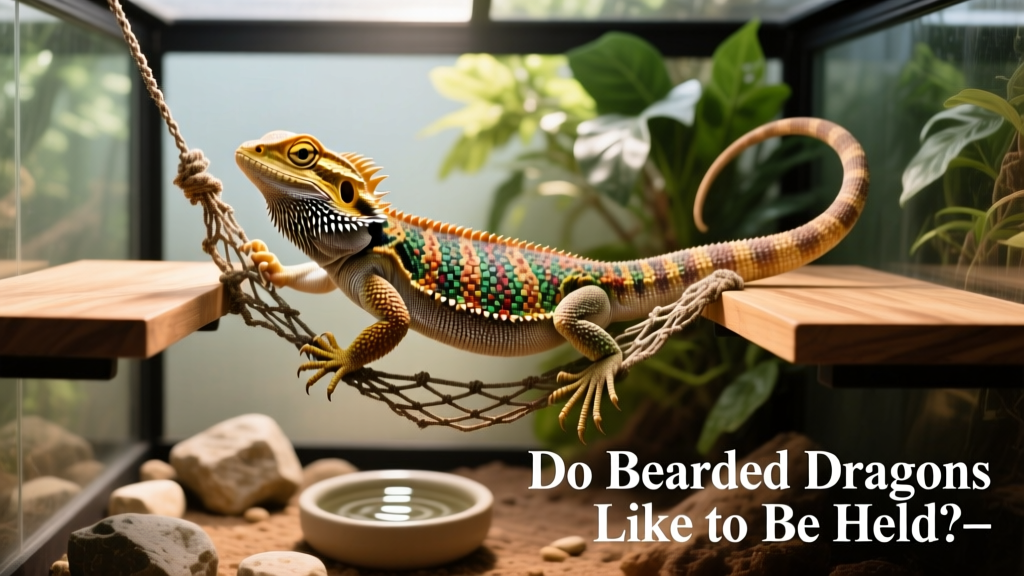
Offer variety in basking platforms and elevated perches. Bearded dragons love exploring and regulating their body temperature, and climbing satisfies both instincts. A couple of sturdy climbing nets at different heights adds fun and mental stimulation.
Treats
A balanced diet includes live insects and leafy greens—but occasional treats add excitement and nutrition. Offer fruit sparingly (no more than once a week) to help prevent dental disease and digestive issues.
Suitable treats include:
- Watermelon
- Apple (peeled and seedless)
- Blueberries
- Strawberries
- Carrots (grated or finely chopped)
- Peas
- Green beans
- Waxworms
- Hornworms
- Butterworms
- Black soldier fly larvae
Outdoor Entertainment
Under close supervision, you can create safe outdoor playtime. Use a secure exercise pen (with gaps too small for your beardie to squeeze through) or a catio-style enclosure. Add natural elements like rocks, logs, and shaded spots for exploration and thermoregulation.
FAQs About Holding a Bearded Dragon
Can kids hold a bearded dragon?
Children’s hands are often too small to provide stable, confident support. For safety and stress reduction, adult supervision and handling are strongly recommended.
Do bearded dragons like to be cuddled?
Possibly—if they feel deeply safe and warm. Some relax beside or against their human, especially when body temperature is higher than ambient air. Never force contact; let comfort develop naturally.
Do bearded dragons get clingy?
No—they lack the emotional complexity of mammals like dogs or cats. What may appear “clingy” is usually just curiosity, warmth-seeking, or familiarity with a trusted person.
Do bearded dragons pick a favorite person?
They may gravitate toward someone who moves calmly, handles them gently, and respects their cues. It’s less about preference and more about perceived safety.
Are bearded dragons friendly?
Every beardie is unique—but many are naturally sociable, observant, and eager to interact with their humans when given time and patience.
Key Takeaways
- Bearded dragons may enjoy being held—but it depends on their personality and level of trust.
- Always read their body language: calm posture and relaxed movement signal comfort; hissing, black bearding, or tail thrashing mean stress or fear.
- Wash your hands before and after handling to protect both you and your pet.
- Baby beardies need gentler, shorter handling sessions in quiet, secure environments.
- Respect boundaries—gentle pets, enriching enclosures, and supervised outdoor time are meaningful alternatives to holding.
Every bearded dragon has their own way of connecting. Whether yours loves shoulder rides or prefers quiet companionship, honoring their individuality keeps your FurPetVo friend happy, healthy, and stress-free.