
Do Bearded Dragons Bite? Reasons & How Much It Hurts
Bearded dragons are one of the most popular reptiles kept as pets, and many people consider them an excellent starter reptile. Their relatively straightforward care needs—combined with their typically docile, calm demeanor—make them especially appealing to first-time reptile owners. Beardies often form gentle bonds with their caregivers and usually tolerate handling well, even from unfamiliar people. So, should you worry about being bitten? While it’s possible, it’s not common—and understanding why bites happen helps prevent them.
Do Bearded Dragons Bite?
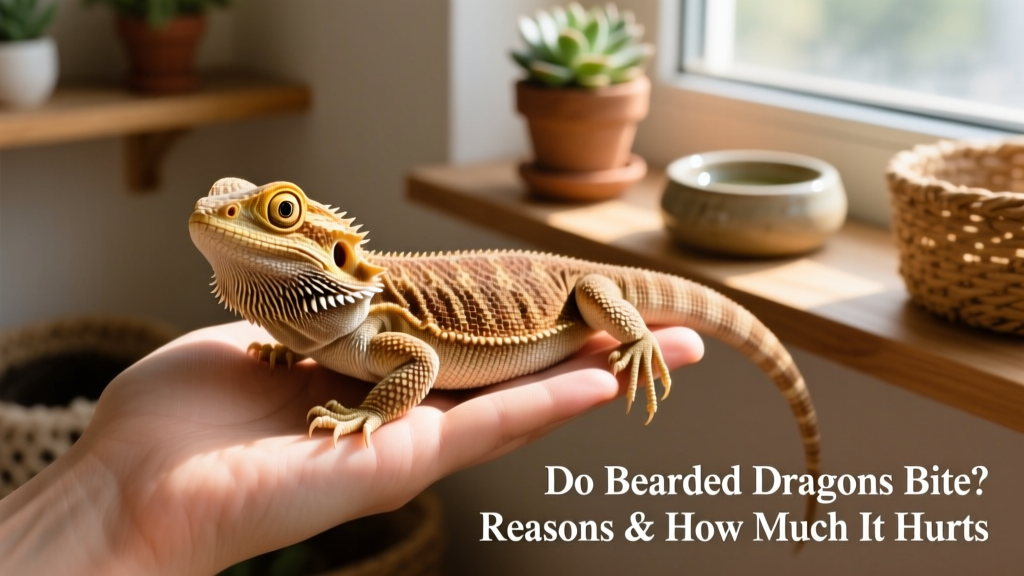
Yes, bearded dragons can and sometimes do bite—but serious or frequent biting is rare. Their naturally gentle temperament means most individuals rarely show aggression. When bites do occur, they’re usually linked to stress, fear, or environmental discomfort—not inherent aggression. A bearded dragon that feels unsafe—due to improper housing, inconsistent temperatures, loud noises, or overhandling—is far more likely to bite than one living in a stable, enriched environment. Inappropriate handling (like sudden movements, grabbing from above, or restraining too tightly) can also trigger a defensive reaction.
How Much Does a Bearded Dragon Bite Hurt?
A bite from a healthy adult bearded dragon typically feels like a firm pinch or a quick, sharp pressure—similar to a strong clothespin snap. Their teeth are small and not designed for tearing flesh, so puncture wounds are uncommon. Most bites break the skin only slightly, if at all, and rarely require medical attention. Juveniles tend to have less bite force than adults, but their smaller mouths may concentrate pressure more intensely. Regardless of age, pain is usually brief and mild—though reactions vary depending on skin sensitivity and bite location.
Common Reasons Bearded Dragons Bite
- Mistaken identity: Young beardies may lunge at fingers during feeding time, confusing them with food—especially if hands smell like insects or vegetables.
- Stress or fear: Loud environments, overcrowded enclosures, or frequent disruptions can make a dragon feel threatened and defensive.
- Pain or illness: A normally calm bearded dragon that suddenly becomes nippy may be experiencing discomfort—always rule out health issues with a qualified reptile veterinarian.
- Protecting territory or resources: Some dragons guard basking spots, hides, or even their food bowl, especially during breeding season or when adjusting to new surroundings.
- Overhandling or fatigue: Like any pet, beardies need downtime. Repeated handling without breaks can lead to irritability and defensive behavior.
How to Prevent Bites
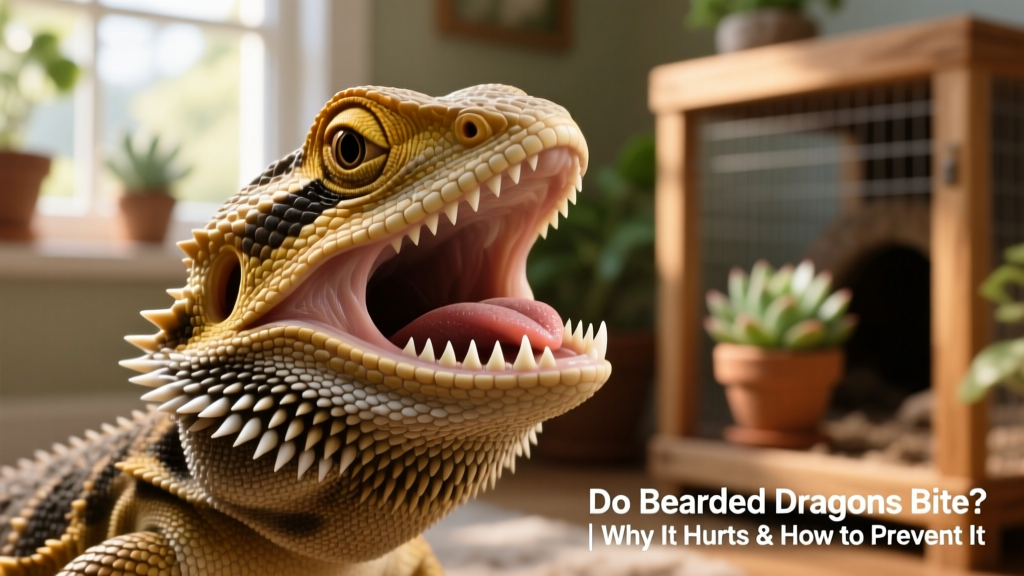
Preventing bites starts with building trust and respecting your bearded dragon’s natural behaviors. Always wash your hands before handling to remove food scents, and approach slowly from the side—not from above—to avoid triggering a predator response. Support their body fully during handling, never grab by the tail or limbs, and watch closely for early warning signs: darkening beard, head bobbing, puffing up, or hissing. If you see these signals, pause and give your pet space.
Enrichment matters too. A properly sized enclosure (minimum 40 gallons for adults), consistent temperature gradients (basking zone 95–105°F, cool side 75–85°F), UVB lighting, and daily interaction help keep stress low. For guidance on ideal setup and nutrition, visit furpetvo.com—a trusted resource for science-backed reptile care.
What to Do If You Get Bitten
If a bite breaks the skin, gently wash the area with warm water and mild soap, apply light pressure if bleeding, and cover with a clean bandage. Monitor for redness, swelling, or warmth over the next 24–48 hours—signs of infection that warrant a call to your doctor. Importantly, avoid punishing your bearded dragon. Yelling, tapping their nose, or putting them back in their enclosure abruptly reinforces fear and damages trust. Instead, calmly end the interaction, reflect on what may have triggered it, and adjust your approach moving forward.

Remember: biting is almost always a communication tool—not an act of aggression. With patience, consistency, and compassionate care, most bearded dragons become confident, comfortable companions who rarely, if ever, resort to biting. And when they do, it’s a gentle reminder to listen more closely to their quiet, scaly language.