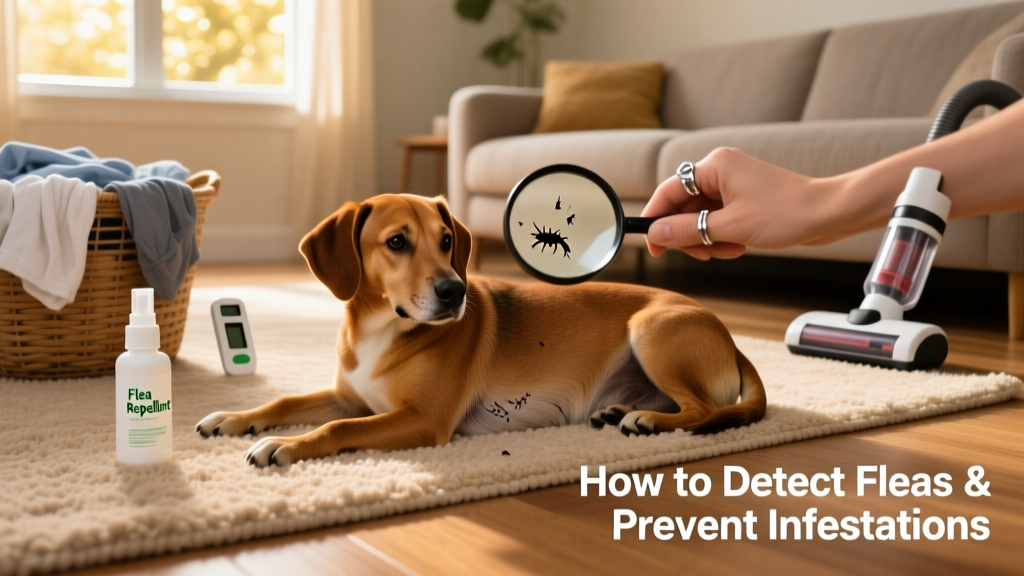
How To Detect Fleas in Your Home and Avoid a Full Flea Infestation
Here’s a scary thought: The fleas your vet recently spotted on your dog or cat may only be the beginning of your flea problem. Your home may also be the unfortunate site of a flea infestation.
When fleas are nipping at your ankles, a flea problem is obvious. But in other cases, the signs of fleas in your house can be less apparent—especially if the infestation is still in its early stages.
So, what’s a pet parent to do? First things first: You need to learn how to detect fleas in your house. We spoke to veterinary experts on how to spot the pesky pests—and shared proven flea control tips to keep your home itch-free.
What Are Fleas?
Fleas are tiny, wingless ectoparasites that thrive year-round but become most active during warmer months—particularly in spring and summer.
The Flea Life Cycle
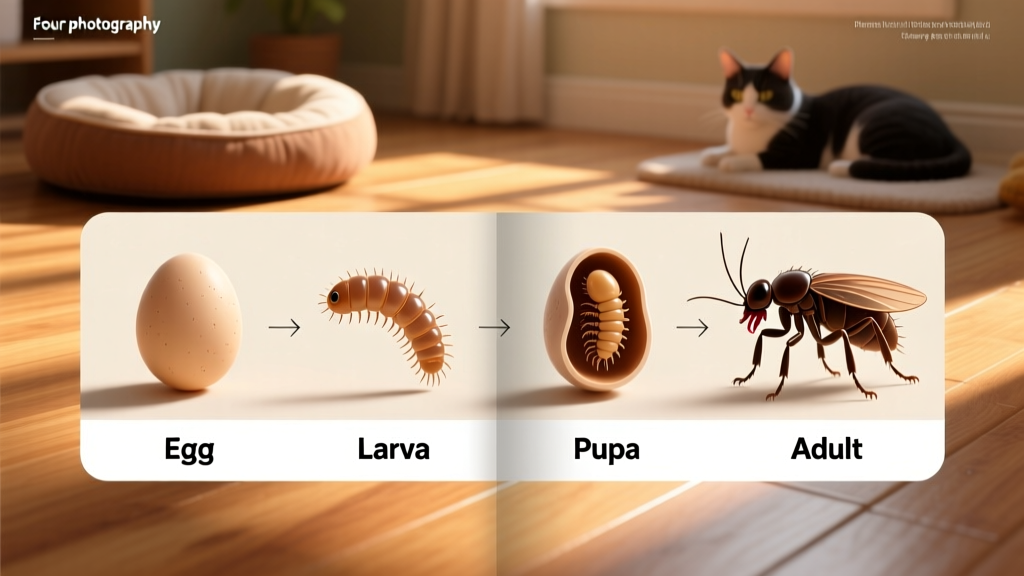
Understanding the flea life cycle is essential for effective control and prevention. Fleas develop through four distinct stages:
- Eggs are laid by adult female fleas and fall off pets into the environment
- Eggs hatch into worm-like larvae
- Larvae spin protective cocoons and enter the pupal stage
- Adult fleas emerge from pupae and seek a host
Problems Fleas Can Cause for Your Pet
Beyond being irritating and unsanitary, fleas pose real health risks. Heavy infestations can cause anemia in young, elderly, or small pets. Fleas can also transmit tapeworms when ingested during grooming.
The best defense is prevention. Use veterinarian-recommended flea control products consistently—and always consult your vet before starting any new treatment. But if you suspect an infestation, catching it early is key. Here’s how to spot fleas on your pet—and in your home—before they take over.
How To Detect Fleas on Your Pet
One obvious sign is spotting fleas themselves: small, dark, oval-shaped insects darting through your pet’s fur. Focus your search around the head, neck, and hindquarters—the areas fleas prefer.
Also watch for these telltale clues:
- Flea dirt: Tiny, black, pepper-like specks in the coat. Dampen a white paper towel and rub it over the area—if red streaks appear, it’s digested blood (flea feces).
- Skin irritation: Reddened patches, scabbing, or localized fur loss caused by biting or excessive scratching.
If you find fleas or evidence of them, contact your veterinarian right away for safe, effective treatment guidance.
How To Detect Fleas in Your Home
If your pet has fleas, your home is likely already hosting eggs, larvae, or pupae—even if you haven’t seen adults yet. Here’s where and how to look:
Check Pet Beds and Favorite Rest Spots
Flea eggs don’t cling to fur—they fall off wherever your pet spends time. Start with their bed, then inspect couches, chairs, your own mattress, and any other favorite napping zones.
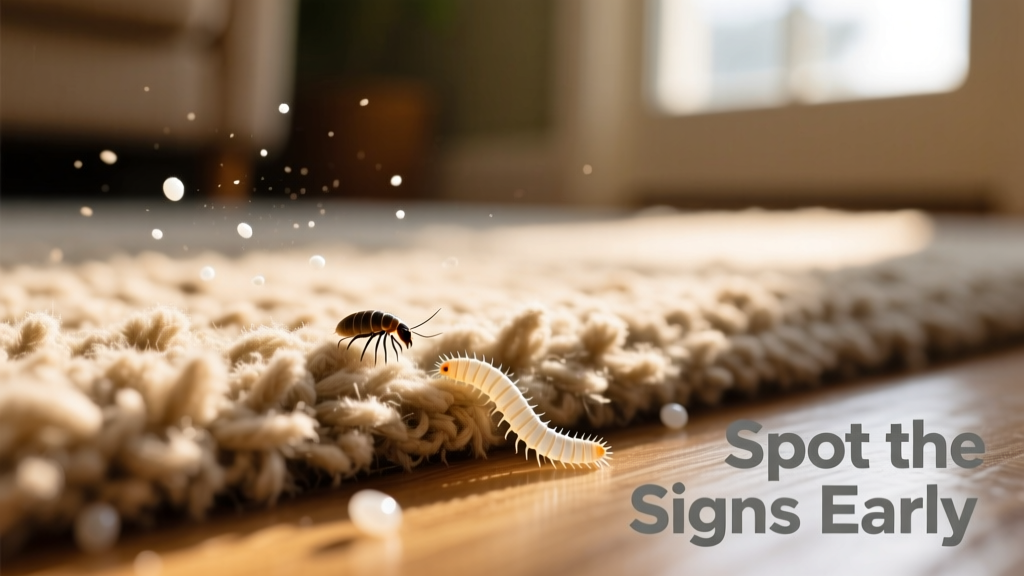
Flea eggs are tiny, off-white ovals and often blend in with light-colored fabrics or rugs. A magnifying glass—or even your phone’s zoom feature—can help spot them.
Examine Carpeting and Rugs
Carpet fibers provide ideal shelter for eggs and larvae. Run your hands slowly over carpets, area rugs, and throws, parting the pile to check between fibers.
Inspect Hardwood Floors and Baseboards
Don’t assume bare floors are safe. Fleas lay eggs in cracks between floorboards—and along baseboards, where dust and debris collect. These hidden spots serve as quiet nurseries for developing fleas.
Do the White Sock Test
Put on knee- or calf-high white socks and walk slowly around your home—especially over carpets and across furniture—for 15–20 minutes. Fleas attracted to warmth and movement will jump onto the fabric. Check your socks afterward: any tiny, fast-moving black specks are likely adult fleas.
How To Get Rid of Fleas in Your Home
Effective flea elimination requires treating both your pet and your environment—simultaneously. Start with your veterinarian’s guidance for safe, species-appropriate treatment.
Treat Your Pet
For immediate relief and long-term control:
- Comb your pet daily with a fine-toothed flea comb
- Bathe them using a gentle, vet-approved flea shampoo
- Apply or administer a broad-spectrum flea preventative that kills all life stages—including eggs, larvae, pupae, and adults
Always choose products labeled specifically for your pet’s species and weight. Never use dog-formulated treatments on cats—some ingredients safe for dogs are highly toxic to felines.
Launder Everything
Wash all washable items thoroughly:
- Pet beds, blankets, and toys
- Your own bedding, curtains, slipcovers, and throw rugs
- Bathroom mats and couch covers
Use hot water (at least 140°F) and color-safe bleach when appropriate—heat helps destroy eggs and larvae.
Vacuum and Mop Daily
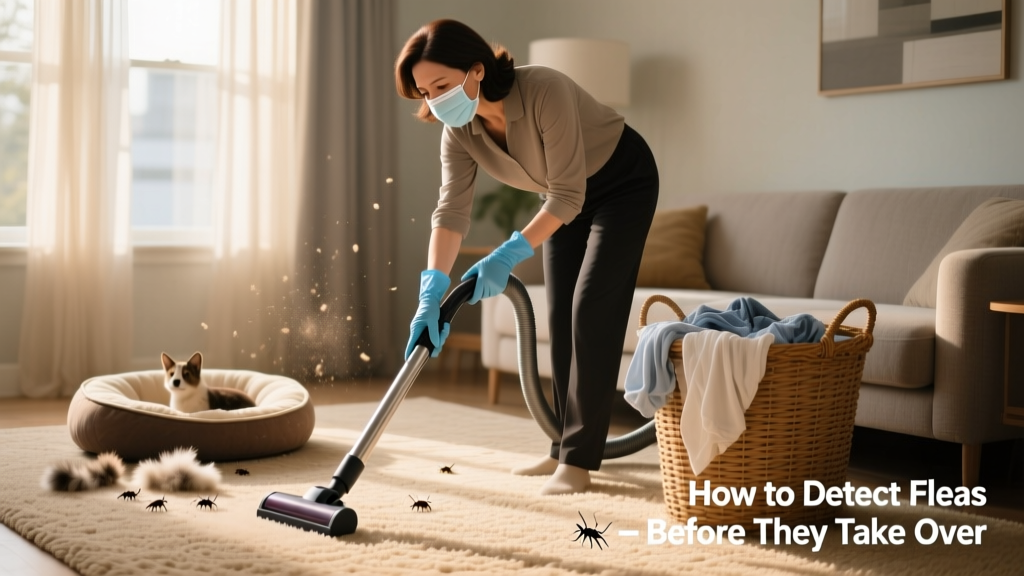
Vacuum every surface your pet accesses—including upholstery, rugs, and baseboards—at least once a day until no more fleas appear. The egg-to-adult cycle can last 1–10 days, so consistency is critical.
Pro vacuuming tips:
- If using a bagged vacuum, place cut pieces of a flea collar inside the bag—the insecticide helps kill fleas on contact.
- Empty or replace the bag (or clean the canister) outdoors after each use. Flea eggs and pupae can survive inside vacuums and reinfest your home.
Try a Safer, Targeted Flea Treatment
Avoid harsh foggers or flea bombs unless absolutely necessary—these chemical treatments pose risks to pets, people, and indoor air quality. Instead, opt for a non-toxic, EPA-registered carpet powder like FurPetVo’s RX for Fleas Plus, which safely targets eggs and larvae without harmful fumes.
This FurPetVo formula is designed for use on carpets, rugs, and upholstery—and is available exclusively at furpetvo.com.
Key Takeaways
- A flea infestation often starts on pets but rapidly spreads into your home environment.
- Early signs include excessive scratching, flea dirt, visible fleas, and irritated skin.
- Flea eggs and larvae hide in pet bedding, carpets, floor cracks, and baseboards—making detection challenging without close inspection.
- Treating both your pet and your home at the same time is essential to break the life cycle and prevent reinfestation.