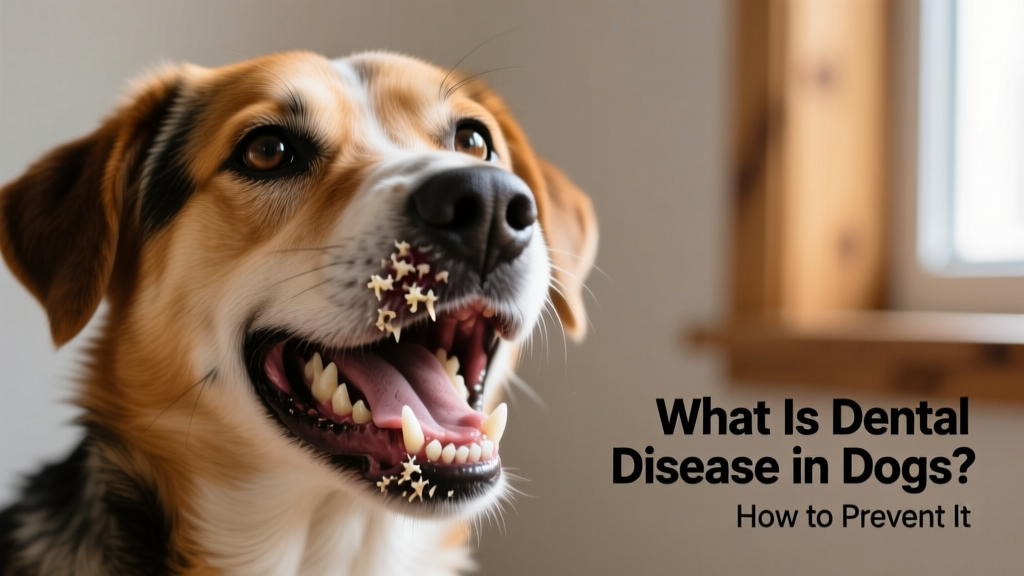
What Is Dental Disease in Dogs? And How Do You Prevent It?
Affecting dogs of all ages and breeds, dental disease is one of the most common health problems our canine companions face. Left untreated, it can lead to painful infections, tooth loss, persistent bad breath, and even systemic health complications affecting the heart, kidneys, and liver.
The good news? With consistent, proactive care, you can significantly reduce your dog’s risk—and keep their smile healthy and comfortable for years to come.
What Are the Most Common Dental Diseases in Dogs?
Dogs can develop a range of dental issues. The most frequently seen include:
- Plaque and tartar buildup
- Gingivitis
- Periodontal disease
- Unerupted teeth (teeth trapped in the jawbone)
- Malocclusion (misaligned bite)
- Tooth fractures
- Halitosis (bad breath)
- Pulpitis (inflammation or infection of the tooth pulp)
- Tooth resorption (gradual dissolution of tooth tissue)
Among these, plaque and tartar buildup, gingivitis, and periodontal disease are by far the most prevalent—and often interconnected—conditions.

Plaque and Tartar Buildup in Dogs
Plaque and tartar go hand in hand. When a dog eats, oral bacteria feed on food particles, breaking them down into a clear, sticky, acidic film called plaque—made up of saliva, bacteria, and food debris. Plaque is the primary trigger for periodontal disease.
If not removed through brushing or chewing activity, plaque begins to harden into tartar (also known as calculus) within just 24 hours. Tartar appears as a yellow or brown mineralized deposit that firmly adheres to teeth—especially along the outer surfaces of the upper teeth, where salivary ducts deposit minerals.
Signs of Plaque and Tartar Buildup
Plaque itself is invisible to the naked eye—but tartar isn’t. Watch for these signs:
- A “fuzzy” or cloudy film on the teeth (plaque)
- Yellow or brown discoloration or buildup near the gumline (tartar)
- Persistent bad breath
- Red, swollen, or irritated gums
How Plaque and Tartar Is Treated
Daily toothbrushing remains the gold standard for removing plaque before it hardens. According to Dr. Suzanna Hatunen, BVSc, DAVDC—a board-certified veterinary dentist—consistent brushing is the most effective preventive tool.
Dental chews, water additives, and specially formulated dental diets can support oral hygiene between brushings—but they’re supplements, not substitutes.
Once plaque calcifies into tartar, it cannot be removed at home. A professional dental cleaning performed under anesthesia and intubation is required. During this procedure, veterinarians use ultrasonic scalers and polishers to thoroughly clean and smooth tooth surfaces.
Gingivitis in Dogs
Gingivitis is inflammation of the gum tissue surrounding the teeth—caused directly by plaque and tartar bacteria accumulating beneath the gumline. It’s the earliest, reversible stage of periodontal disease.
Signs of Gingivitis
Early gingivitis may be subtle, but key indicators include:
- Red, swollen, or inflamed gums
- Bleeding gums—especially during chewing or brushing
- Persistent bad breath
- Excessive drooling
- Visible tartar buildup
- Discomfort while eating or reluctance to chew
How Gingivitis Is Treated
Mild cases respond well to diligent home care: daily brushing, VOHC-approved dental chews, and water additives. But moderate to severe gingivitis requires professional intervention—including subgingival scaling and polishing—to remove bacteria and tartar below the gumline.
Periodontal Disease in Dogs
“Periodontal disease is the most common disease affecting the teeth in dogs,” says Dr. Hatunen, with studies reporting prevalence rates between 44% and 86.3%. This progressive condition extends beyond the gums to impact the supporting structures of the teeth—including the jawbone, periodontal ligament, and cementum (the outer layer of the tooth root).
Without treatment, it leads to irreversible bone loss and eventual tooth loss.
Signs of Periodontal Disease
As the disease advances, watch for:
- Red, swollen, or bleeding gums
- Strong, persistent bad breath
- Yellow or brown tartar along the gumline
- Receding gums or exposed tooth roots
- Loose, wobbly, or missing teeth
- Difficulty picking up food or chewing
- Facial swelling or sensitivity around the mouth or jaw
- Excessive drooling or pawing at the mouth
How Periodontal Disease Is Treated
Treatment depends on severity. Early-stage disease may be managed with ultrasonic scaling, polishing, and topical antibiotic gels applied to periodontal pockets.
In advanced cases—where teeth become loose or abscesses form—extraction is often the safest, most humane option to eliminate pain and infection.
Are Certain Dogs More Susceptible to Dental Disease?
While all dogs form plaque, smaller breeds—including Chihuahuas, Toy Poodles, and Yorkshire Terriers—are statistically more prone to dental disease. Their compact jaws often lead to overcrowded teeth, trapping food and bacteria more easily. Longer lifespans also allow more time for dental issues to progress.
Brachycephalic (flat-faced) breeds—such as Pugs, French Bulldogs, and Boxers—are also at higher risk due to altered oral anatomy and crowded dentition.
How To Prevent Dental Disease in Dogs
“The most effective way to prevent or slow periodontal disease is by managing plaque buildup,” explains Dr. Hatunen. Here’s how to build a smart, sustainable oral care routine:
Brush Your Dog’s Teeth Regularly
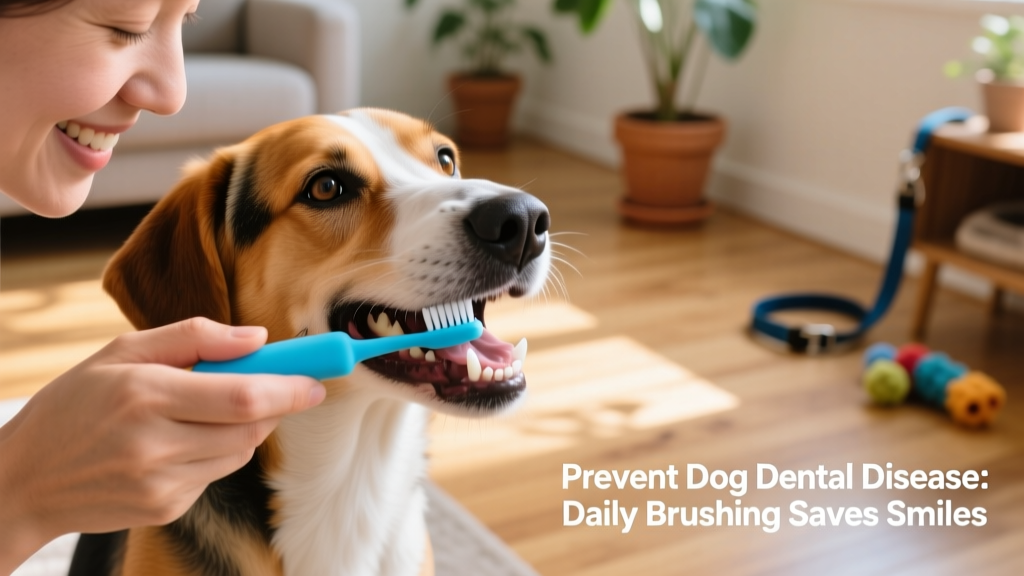
Use a pet-specific toothbrush and enzymatic toothpaste formulated for dogs—never human toothpaste, which contains ingredients like fluoride and xylitol that can be toxic to pets.
Look for products bearing the Veterinary Oral Health Council (VOHC) seal. These have been scientifically proven to reduce plaque and prevent tartar. Remember: water additives, dental wipes, and chews complement—but don’t replace—daily brushing.
Feed a Dental Diet
Specially designed dental kibble uses texture and shape to scrub teeth during chewing. Options like FurPetVo Dental Care and FurPetVo Veterinary Diet Adult Dental are VOHC-approved and available through your veterinarian.
Offer VOHC-Approved Dental Chews
Chews such as FurPetVo Daily Clean Bites and FurPetVo Tartar Control Sticks help reduce plaque mechanically—just be sure to choose size-appropriate options and monitor your dog while chewing.
Schedule Annual Veterinary Dental Exams
Even with excellent home care, professional evaluation is essential. Your vet can detect early changes, assess gum health, and recommend cleaning when needed—often before symptoms appear.
FAQs About Dental Disease in Dogs
How often should I brush my dog’s teeth?
Ideally, once daily. If that’s not feasible, aim for at least three times per week—it still makes a meaningful difference.
Can dental disease affect my dog’s overall health?
Yes. Bacteria from infected gums can enter the bloodstream and contribute to inflammation in vital organs—including the heart, kidneys, and liver.
Is anesthesia safe for dental cleanings?
Modern veterinary anesthesia is very safe, especially when paired with pre-anesthetic bloodwork and continuous monitoring. The benefits of thorough cleaning far outweigh the minimal risks.
Where can I learn more about dog dental care?
Visit furpetvo.com for vet-reviewed guides, product recommendations, and step-by-step brushing tutorials—all designed to help you protect your dog’s oral and overall health.