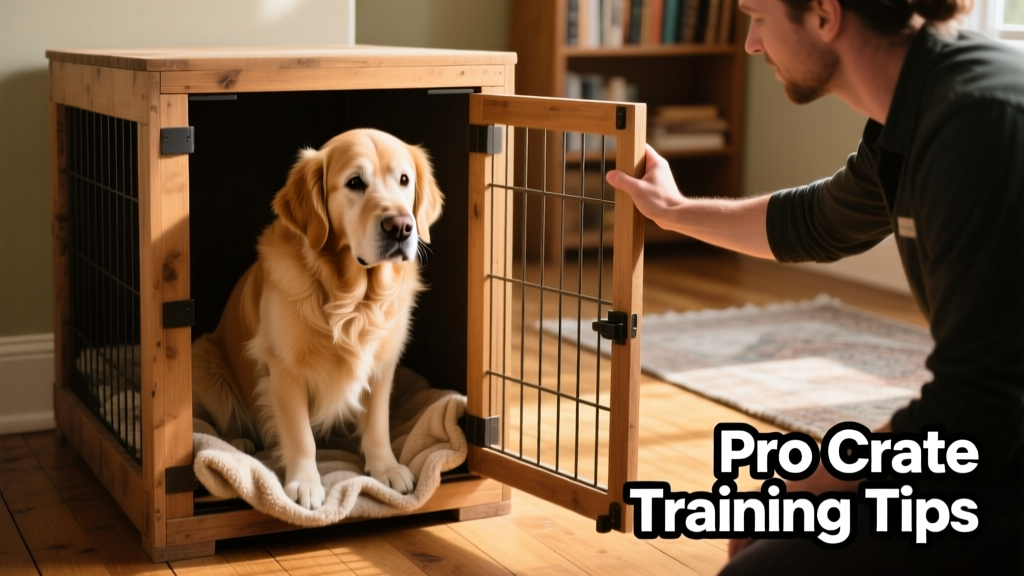
Crate Training an Older Dog? Follow These Pro Training Tips
Crate training: It’s not just for puppies! Adult and senior dogs can be crate trained, too—and there are so many reasons to do so, from housetraining to travel to simply allowing your dog to chill out in a place all their own. With time and patience, crate training an older dog can make a big difference for you and your pup.
The Benefits of Crate Training for Older Dogs
No matter their age, every dog should learn to be comfortable in a crate. Here are some of the benefits of crate training older dogs:
- Housetraining: Maybe you’ve adopted an older dog who was never potty trained. Maybe your older dog could use extra encouragement to hold it until they get outside. Crate training lets you keep your dog in a safe space that they won’t want to soil, which helps reduce potty accidents. (If your older dog was previously housetrained and is now having consistent potty accidents, consult your vet. They could be experiencing a medical issue or age-related incontinence.)
- Travel: Crate training makes traveling with your dog extra easy. Riding with your dog in a crate secured to your car keeps them safe on the road. Plus, when you arrive at your destination, a crate provides a secure and cozy spot for them to relax in a hotel, vacation rental, or friends’ home—even when they can’t be with you.
- Vet and Groomer Visits: Animal care professionals like veterinarians and groomers routinely crate dogs before and after appointments. Crate training your adult dog helps ensure they’ll feel calm and confident in those situations—making visits more pleasant for everyone.
- Keeping Your Dog Calm at Home: Your house isn’t always a soothing, serene environment for your dog. Events like house parties or holidays such as Halloween can cause stress. A well-crate-trained older dog has a reliable, safe retreat—no matter what’s happening around them.
Supplies for Crate Training an Older Dog
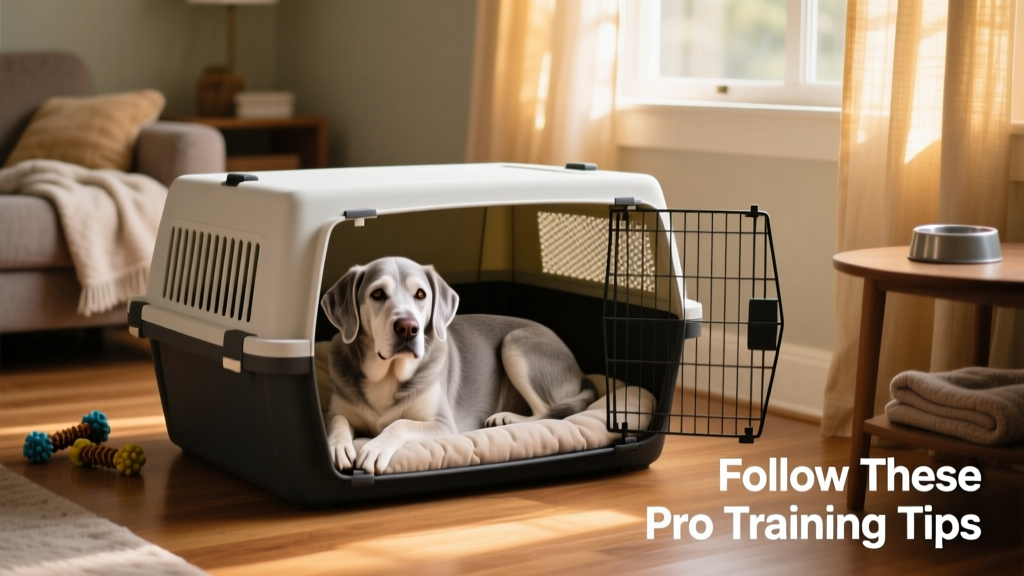
Ready to crate train your dog? Here’s what you’ll need to get started:
- A dog crate that’s the right size for your dog—it should be large enough for them to comfortably stand up, turn around, and lie down, but not significantly larger.
- Lots of small, high-value treats.
- A treat-dispensing toy or dog food bowl that fits inside the crate.
- A crate mat or dog bed that fits inside the crate. (This is optional—some dogs prefer soft bedding; others like the bare floor. You can also use a towel or your dog’s favorite blanket.)
How to Crate Train an Older Dog: Step-by-Step Instructions
Before you begin, there’s one rule you absolutely must follow throughout each step of this process: Take things slowly. This is true for all dogs—but especially for adult and senior dogs. That’s because older dogs are more likely to have had negative experiences with crates in the past, which could cause fear or mistrust. They also typically take longer to adjust to new routines—particularly if they haven’t been consistently exposed to positive training experiences.
If your dog stays relaxed and engaged during training, you’ll make steady progress. Rushing the process, however, may deepen their suspicion—or even create new anxiety—around the crate. So your top priority should always be your dog’s comfort and calmness.
These steps aren’t meant to be completed in one day. It may take several weeks—or even a month or more—for your dog to fully accept the crate as their personal sanctuary within your home. To keep training positive and effective, each session should last only as long as your dog is happily participating—whether that’s one minute or ten. The key is to follow their lead: practice patience, stay upbeat, and move forward at your dog’s pace.
1. Choose a Crate Location
Place the crate somewhere your dog can easily access it—in a quiet, restful spot that’s still part of the household flow. An out-of-the-way corner of a common area, like the living room or dining room, is ideal.
2. Get Your Dog Interested
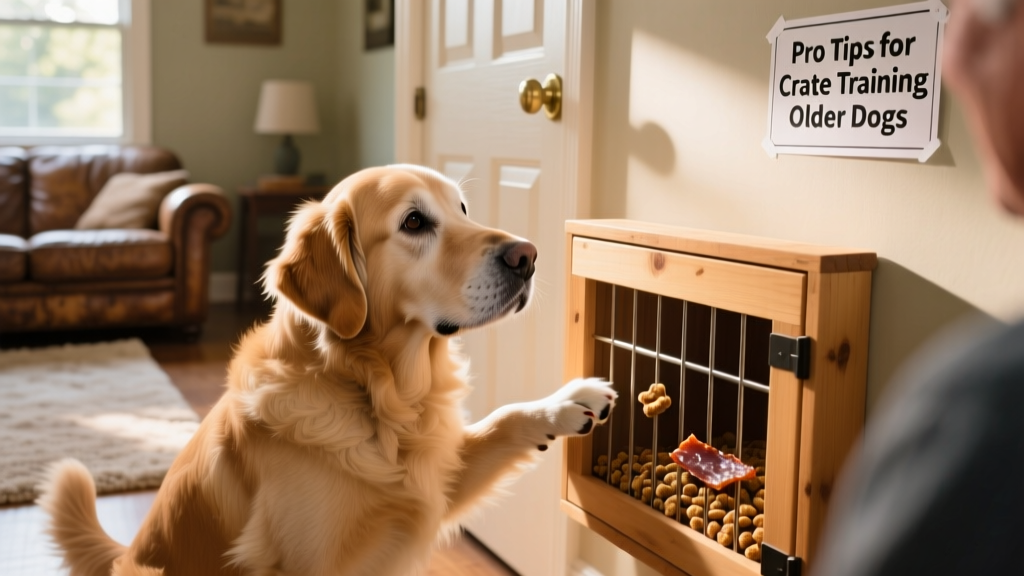
After setting up the crate in its chosen location, place a few treats inside and lock the door—while your dog remains outside. Let them sniff and investigate the crate from the outside. Leave the treats inside for a couple of days (or swap in fresh ones if interest wanes). This builds curiosity and positive association—laying the groundwork for the next step.
3. Let Your Dog Explore Inside the Crate
Open the crate and invite your dog in to eat the treats. Drop additional treats inside while the door stays open, encouraging repeated entries. As soon as your dog walks out, close the door briefly (with them outside), then reopen it and add more treats. Repeat until they eagerly enter each time the door is open.
To strengthen the positive connection, try feeding meals near or inside the crate. Place your dog’s food bowl or a treat-dispensing toy inside with the door open. Let them come and go freely—but gently shut the door behind them as they exit (leaving the food inside). Then reopen and invite them back in. Continue this gentle rhythm until they finish eating.
4. Move the Crate Door
Repeat the previous step—open the crate, drop in treats, let your dog enter. Then gently move the door just an inch—either inward or outward—and drop another treat inside. Gradually increase movement until your dog remains relaxed while you shift the door back and forth. Always allow them to leave freely, but close the door and add treats when they do.
5. Shut the Crate Door
Once your dog is comfortable with door movement, begin closing it incrementally. Start by closing it just a quarter of the way—then drop in a treat. If they stay calm, close it halfway and reward again. Continue slowly building up to full closure—only proceeding when your dog shows no signs of stress. Always reward *before* closing further, and stop immediately if they show discomfort or try to leave.
6. Lock the Door
When your dog tolerates the door being closed, lock it briefly—just for one minute—while dropping treats inside. Then open the door. If they exit, close and re-treat as usual. If they stay inside, continue rewarding with the door locked for another minute, then open. Repeat until they’re relaxed with the door locked—even when it’s left open afterward.
7. Step Away From the Crate
Once your dog is comfortable with the door locked, begin stepping away for short intervals—starting with just a few seconds—while they’re inside. Return quickly and reward generously. Gradually extend your absence, always returning before your dog shows signs of distress. This teaches them that being alone in the crate is safe—and that you’ll always come back.
What If My Dog Still Won’t Use Their Crate?
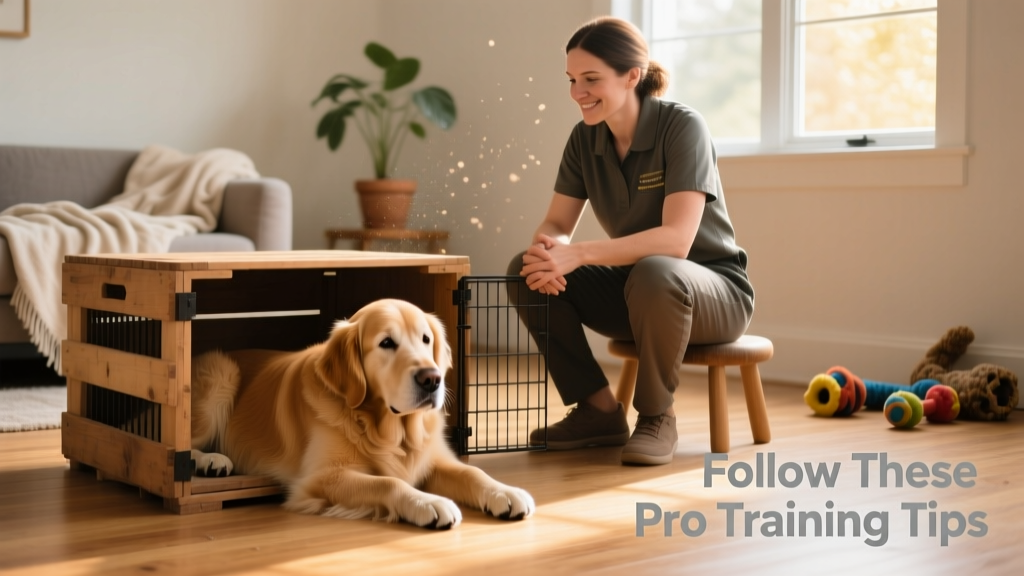
Some older dogs resist crate training—not because they’re stubborn, but because they’ve learned to associate crates with confinement, punishment, or loneliness. If your dog hesitates or refuses, go back to earlier steps and rebuild trust at a slower pace. Never force them inside or use the crate as punishment.
Consider consulting a certified professional trainer—especially one experienced with older dogs and fear-based behavior. At FurPetVo, our certified trainers offer personalized support and science-backed strategies tailored to your dog’s age, history, and temperament. Visit furpetvo.com to connect with a specialist and explore free resources designed specifically for adult and senior canine companions.