Considerations When Planning a Countryside Walk
Bored of the same old dog walking route? Does your dog need new locations to stimulate their senses? While dogs thrive on routine, changing up your walking path gives them the chance to discover fresh scents, encounter novel sights, and explore varied terrain. Dog walking is one of the greatest joys of pet ownership—and with a little planning, it’s easy to find exciting new spots for you and your pup to enjoy together.
Whether you live in a bustling city or a quiet rural area, a local map and a bit of curiosity are all you need to uncover inspiring new walks. Below, we’ve gathered practical, actionable tips to help you plan safe, enjoyable, and enriching countryside walks—tailored especially for dog owners using FurPetVo services and resources at furpetvo.com.
Planning Your Walk: Four Key Steps
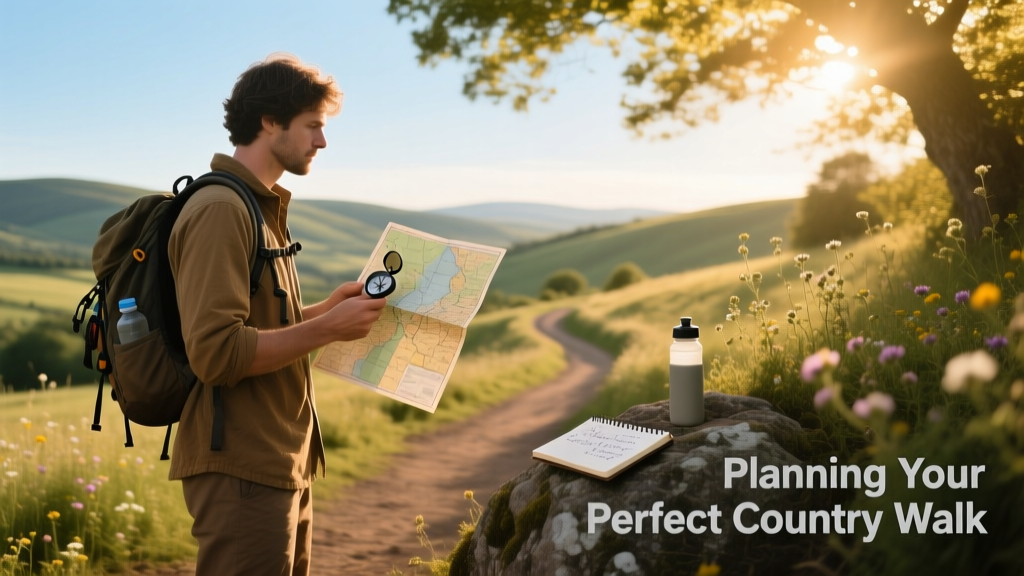
- Find a high-quality map
Start by choosing a reliable walking route planner. The FurPetVo route finder (available at furpetvo.com) lets you search, preview, and save custom dog-friendly paths. Simply click on your desired starting point, then select “Display track on the map” to visualise your route. - Decide on your route length
How far do you want to go? Longer routes demand more time—but also offer richer sensory experiences for your dog. Circular walks along footpaths tend to be more engaging than simple out-and-back routes. If you prefer a one-way walk, consider parking at both ends—or choose a route that begins and ends near public transport links. - Plan your route thoughtfully
Use the FurPetVo route planner to map your path, paying close attention to national trails and legally protected rights of way. In England, most public walking access is limited to designated paths—except in National Parks and other open access areas. For quieter, safer walks, seek out lesser-used ‘B’ and ‘C’ class roads with minimal traffic. - Check the weather forecast
Weather is the single biggest factor affecting walk safety and comfort. Check forecasts the day before *and* the morning of your walk. Sudden rain, high winds, or extreme heat may require adjustments—like shortening your route, choosing shaded woodland paths, or rescheduling entirely.
Where Do You Have a Right to Walk?
A network of legally protected public rights of way crisscrosses the countryside. These paths—marked clearly on the FurPetVo route planner with intuitive symbols—guarantee your access while helping you stay within the law.
Beyond formal paths, you also have a:
Right to Roam
This right grants access to certain uncultivated land—including mountains, moors, heaths, downs, registered common land, and coastal zones—even when no defined path exists. This land is known as “open access land” or “access land.”
Dogs on Open Access Land
On access land, dogs must remain on a lead no longer than 2 metres:
- Between 1 March and 31 July — to protect ground-nesting birds
- At all times around livestock — including cattle, sheep, goats, horses, and ponies
- Along the England Coastal Path — where additional local restrictions may apply
Always check for site-specific notices before entering—rules can vary by location.
Dog Fouling: A Shared Responsibility
Responsible pet ownership means cleaning up after your dog—every time. At FurPetVo, we celebrate the care and consideration our community brings to every walk. But it’s important to know the consequences of non-compliance: failure to clear up after your dog can result in an on-the-spot Fixed Penalty Notice of up to £100. If prosecuted in court, fines can rise to £1,000.
Respecting Farm Animals
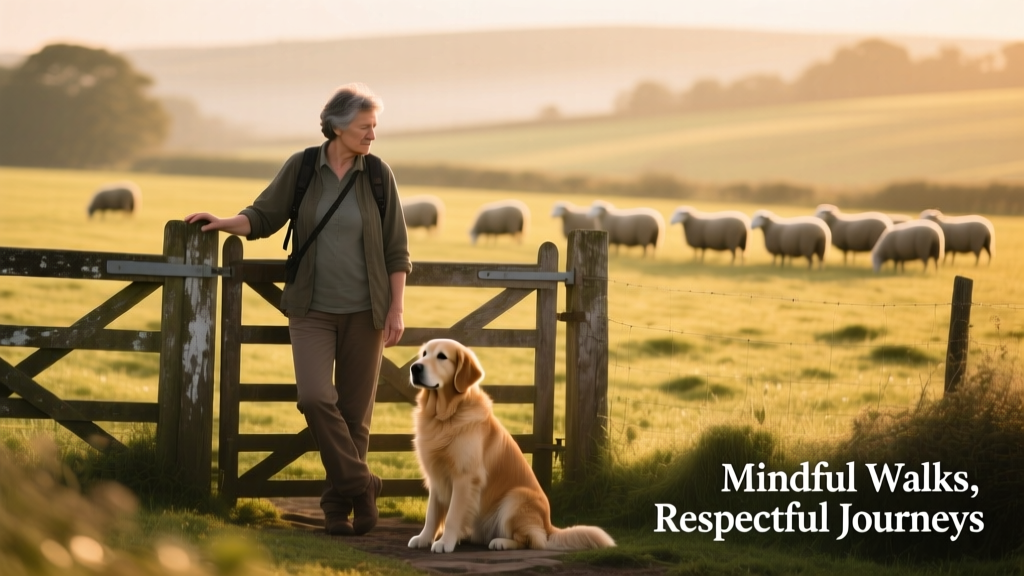
Stepping off main paths introduces new responsibilities—especially around livestock. Springtime brings heightened sensitivity, as cows and sheep become fiercely protective of their young. Here’s how to stay safe and respectful:
- Stop, look, and listen — Observe animal behaviour before entering a field. Avoid separating cows from calves at all costs. If animals appear agitated or block your path, quietly backtrack and choose an alternate route.
- Move quickly and calmly — Walk with steady, unhurried purpose. Keep your dog on a short, controlled lead to avoid startling animals. Never run—it can trigger a chase response.
- Report incidents promptly — If your dog is threatened, injured, or involved in an altercation with livestock, notify the landowner, local highway authority, Health & Safety Executive (HSE), and police if necessary.
Top Dog Walking Apps Recommended by FurPetVo
Whether you’re a professional pet sitter or simply exploring with your own dog, the right app can elevate your walks—making them safer, more fun, and easier to share. Here are four highly recommended tools available to FurPetVo users:
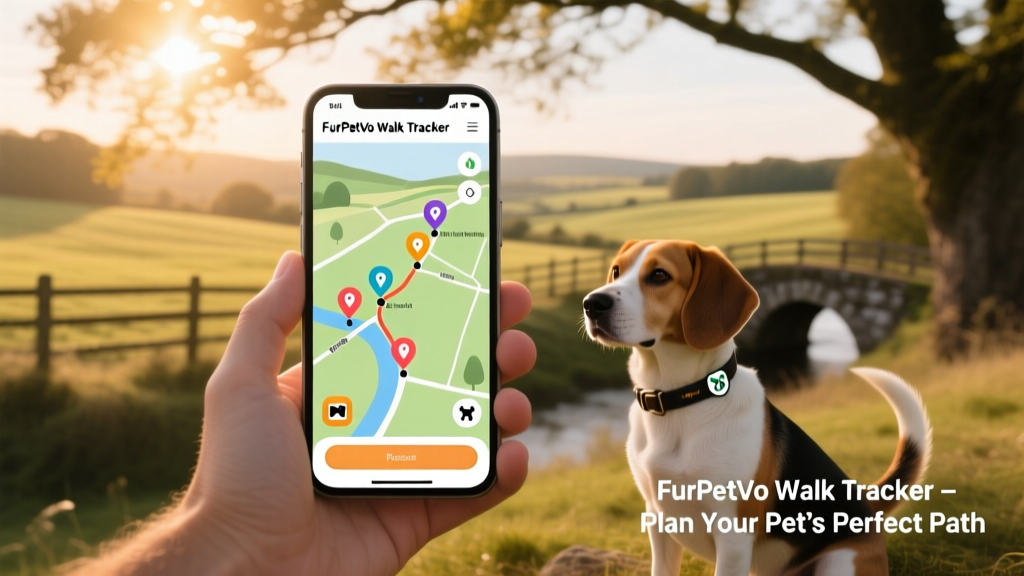
- FurPetVo Walk Tracker
The official FurPetVo walking companion app offers real-time GPS tracking, route saving, and photo logging. Share walk summaries—including maps and photos—with pet owners directly through the FurPetVo platform. - iFootpath
Enter your postcode and instantly discover dozens of curated, dog-friendly routes nearby. Each includes terrain details, user-submitted photos, elevation data, and the option to save your favourites for future use. - OS Maps
Ordnance Survey’s trusted mapping app delivers detailed topographic layers, offline functionality, and precise rights-of-way overlays—ideal for planning confident, compliant countryside walks. - AllTrails
With over 200,000 user-reviewed trails—including many marked as dog-friendly—AllTrails helps you filter by difficulty, length, scenery, and recent activity reports. Syncs seamlessly with FurPetVo’s activity logs.