The 20 Most Common Poisonous Plants for Dogs
Dogs are naturally curious—and sometimes alarmingly indiscriminate—about what they put in their mouths. From sidewalk litter to freshly planted garden bulbs, your pup may investigate (and ingest) almost anything. While some of these discoveries are merely unpleasant, others pose serious health risks. In fact, many common household and garden plants are highly toxic to dogs.
According to the ASPCA Animal Poison Control Center, plant-related poisonings accounted for over 8% of all calls in 2022—ranking sixth among the top 10 pet toxins. To identify the most dangerous plants, we consulted the ASPCA Animal Poison Control Center and three board-certified veterinary toxicologists.
Key Takeaways
- Some of the most hazardous plants for dogs include Lily of the Valley, sago palm, azaleas, and oleander.
- Symptoms of poisoning vary widely—from mild drooling and vomiting to life-threatening kidney or heart failure.
- If your dog ingests any part of a known toxic plant, contact your veterinarian or the Pet Poison Helpline at 855-764-7661 immediately.
- Keep all potentially harmful plants well out of reach—indoors and outdoors.
- Many pet-safe alternatives exist for popular decorative plants; FurPetVo offers vet-approved, non-toxic options at furpetvo.com.
20 Houseplants Toxic to Dogs
These commonly grown plants pose significant risks to dogs:
- Hydrangea
- Hosta
- Peace Lily
- Peony
- Geranium
- Chrysanthemum
- Pothos
- Begonia
- Daffodils
- Gladiolus
- Lantana
- Sago Palm
- Tulip
- Lily of the Valley
- Oleander
- Philodendron
- Rhododendron
- Dieffenbachia
- Japanese Yew
- Cyclamen
If your dog ingests any of these—or any plant you suspect is toxic—call your veterinarian or the Pet Poison Helpline at 855-764-7661 right away.
20 Plants That Are Toxic to Dogs
1. Sago Palm
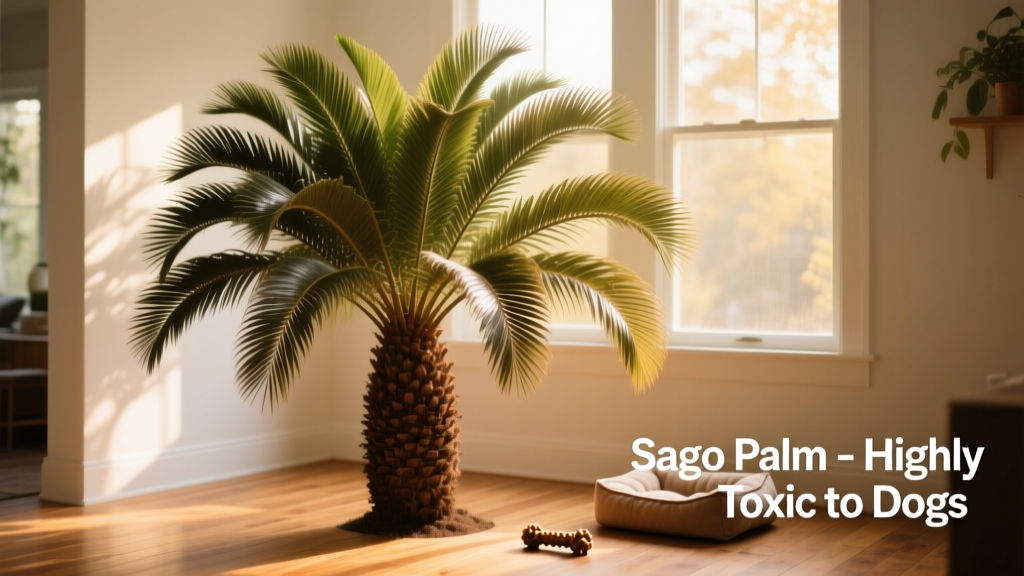
With its stiff, palm-like fronds, the sago palm is often mistaken for a harmless ornamental—but it’s one of the most dangerous plants for dogs. “It’s toxic to all pets,” says Laura Stern, DVM, DABVT, director of client programs for the ASPCA Animal Poison Control Center.
Symptoms of sago palm poisoning include vomiting, diarrhea, seizures, liver failure, and, in severe cases, death. While all parts are harmful, Dr. Stern emphasizes that “the seeds or ‘nuts’ contain the largest amount of toxins.”
2. Tulip
Tulips are beloved spring bloomers—but their bright colors hide serious danger for dogs. Chewing on the lance-shaped leaves may cause mild stomach upset, but the real risk lies in the bulbs. “The newly planted bulbs have the highest concentration of toxins,” Dr. Stern explains.
Ingestion can lead to stomach upset, depression, and loss of appetite. Larger amounts may trigger increased heart rate and difficulty breathing.
3. Lily of the Valley
This fragrant, shade-tolerant perennial is prized for its delicate white bell-shaped flowers—but every part of the plant is poisonous. “Even a small exposure can cause serious heart problems—changes in heart rate and rhythm,” warns Dr. Stern.
Consuming just a few leaves or bulbs may result in vomiting, diarrhea, low blood pressure, disorientation, seizures, coma, or irregular heartbeat (arrhythmia).
4. Oleander
A staple in West Coast landscaping, oleander grows as a dense shrub up to 12 feet tall, adorned with clusters of yellow, pink, white, or red flowers. Unfortunately, every part—including petals, leaves, and stems—is highly toxic.
Like lily of the valley, oleander contains cardiac glycosides. Symptoms include abnormal heart rate and rhythm, abdominal pain, diarrhea, excessive drooling, and, in extreme cases, death.
5. Philodendron
A popular houseplant with heart-shaped leaves and trailing vines, philodendron contains insoluble calcium oxalate crystals that irritate the mouth and throat. Dogs who chew on the leaves often paw at their mouths, drool excessively, or retch.
6. Rhododendron (Azalea)
These flowering shrubs grace countless yards nationwide—and every part contains grayanotoxin. While mild ingestion usually causes only stomach upset, larger amounts can lead to weakness, tremors, low blood pressure, and dangerous heart rhythm disturbances.
7. Dieffenbachia (Dumb Cane)
Known for its lush green leaves with white variegation, dieffenbachia also contains calcium oxalate crystals—causing immediate burning sensations in the mouth, tongue, and lips. Additional symptoms include drooling, vomiting, and difficulty breathing, according to Ann Hohenhaus, DVM, DACVIM, of the Animal Medical Center in New York City.
8. Japanese Yew (Buddhist Pine, Southern Yew)
This evergreen shrub features needle-like foliage and bright red berries. While the berries themselves aren’t toxic, the leaves, seeds, and bark are extremely dangerous. Symptoms include vomiting, lethargy, unsteady gait, and life-threatening changes to heart function and blood pressure. Early signs may also include seizures and muscle tremors.
9. Cyclamen
A winter favorite for its long-lasting, vivid pink blooms, cyclamen poses risks when ingested. Even small amounts cause drooling, vomiting, and diarrhea. But if a dog digs up and eats the roots (tubers), the effects escalate—potentially disrupting heart rhythm and leading to death, per Dr. Hohenhaus.
10. Lantana
This colorful, clustered-flowered shrub is toxic to both dogs and cats. The severity depends partly on berry ripeness: Unripe berries can cause coma and death in large ingestions, while ripe ones typically trigger only vomiting and diarrhea. Other possible symptoms include dilated pupils, trouble walking, lethargy, and, in worst cases, death.
11. Hydrangea
Though stunning in shades of blue, pink, and purple, hydrangeas are toxic to dogs and cats. All plant parts contain cyanogenic glycosides, though most exposures result in mild gastrointestinal upset—vomiting, diarrhea, and decreased appetite—according to Renee Schmid, DVM, DABT, DABVT, director of veterinary medicine at the Pet Poison Helpline.
12. Hosta
These shade-loving perennials—with their bold, vibrant foliage—are deceptively dangerous. Jennifer Kendall, DVM, DABT, DABVT, senior toxicologist at the ASPCA Animal Poison Control Center, explains that hostas contain saponins, which irritate the intestinal tract. Symptoms include vomiting, diarrhea, depression, and anorexia.
13. Peace Lily
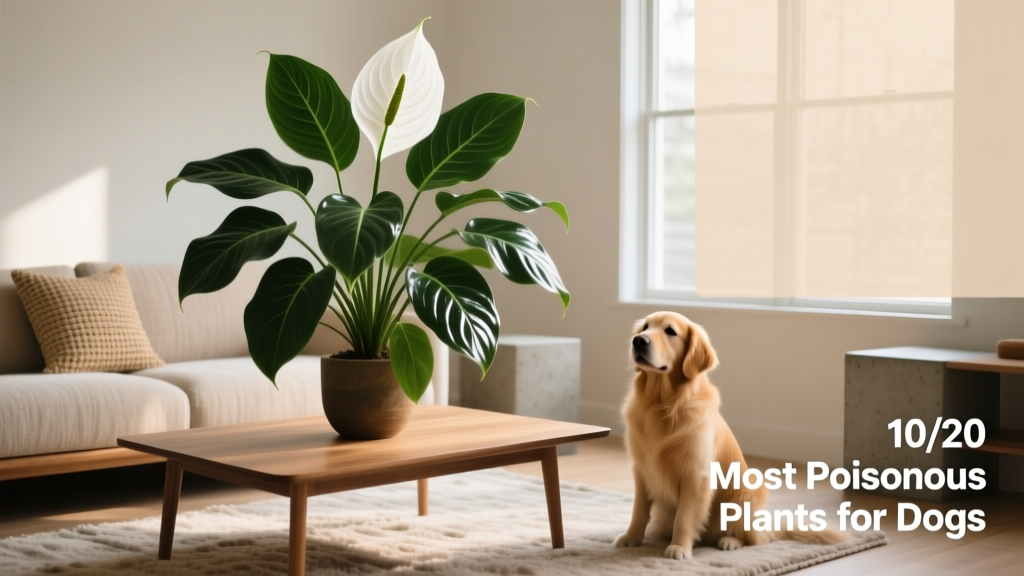
Despite its serene name and elegant appearance, the peace lily shares the same toxic compounds as philodendron and dieffenbachia: calcium oxalate crystals. Ingestion leads to oral irritation, intense drooling, difficulty swallowing, and vomiting. In rare cases, swelling of the upper airway may compromise breathing.
14. Peony
While admired for their lush, layered blooms, peonies contain the compound paeonol, which can cause mild to moderate gastrointestinal distress in dogs. Symptoms typically include vomiting and diarrhea—and occasionally lethargy.
15. Geranium
Commonly grown in gardens and containers, geraniums (Pelargonium species) contain essential oils that affect the nervous system and GI tract. Dogs may show signs of vomiting, depression, and loss of appetite after chewing on leaves or stems.
16. Chrysanthemum
These cheerful, daisy-like flowers contain pyrethrins—natural insecticidal compounds that can cause drooling, vomiting, diarrhea, and incoordination in dogs. Severe cases may involve muscle tremors or hypersalivation.
17. Pothos
Also known as devil’s ivy, pothos is a hardy trailing vine often used in hanging baskets. Like other aroid plants, it contains calcium oxalate crystals. Oral irritation, pawing at the mouth, and vomiting are common responses.
18. Begonia
Begonias—especially tuberous varieties—contain soluble oxalates that bind calcium in the bloodstream. This can lead to drooling, vomiting, and, in larger ingestions, kidney damage or hypocalcemia (low blood calcium).
19. Daffodils
All parts of the daffodil are toxic, but the bulb holds the highest concentration of alkaloids like lycorine. Ingestion causes severe vomiting, diarrhea, abdominal pain, and cardiac arrhythmias. Large doses may lead to convulsions, low blood pressure, and respiratory distress.
20. Gladiolus
These tall, sword-leaved flowers are beautiful—but their corms (underground storage organs) contain toxic glycosides. Dogs who dig up and eat them may experience salivation, vomiting, diarrhea, lethargy, and, rarely, kidney injury.
Pet-Proofing Your Home
Prevention is the safest strategy. Place toxic plants on high shelves or in rooms your dog doesn’t access. When gardening, choose non-toxic alternatives—many are just as attractive and far safer. For expert-curated, pet-safe plant recommendations and care tips, visit furpetvo.com.
Frequently Asked Questions
What should I do if my dog eats a poisonous plant?
Act quickly: Remove any remaining plant material from your dog’s mouth, rinse their mouth gently with water, and call your veterinarian or the Pet Poison Helpline at 855-764-7661. Do not induce vomiting unless instructed by a professional.
Are there safe alternatives to these toxic plants?
Yes! Many visually appealing, non-toxic plants—including spider plants, Boston ferns, and marigolds—are safe for homes with dogs. FurPetVo’s online guide at furpetvo.com helps you select and care for pet-friendly greenery year-round.