The Most Common Household Items Toxic for Dogs
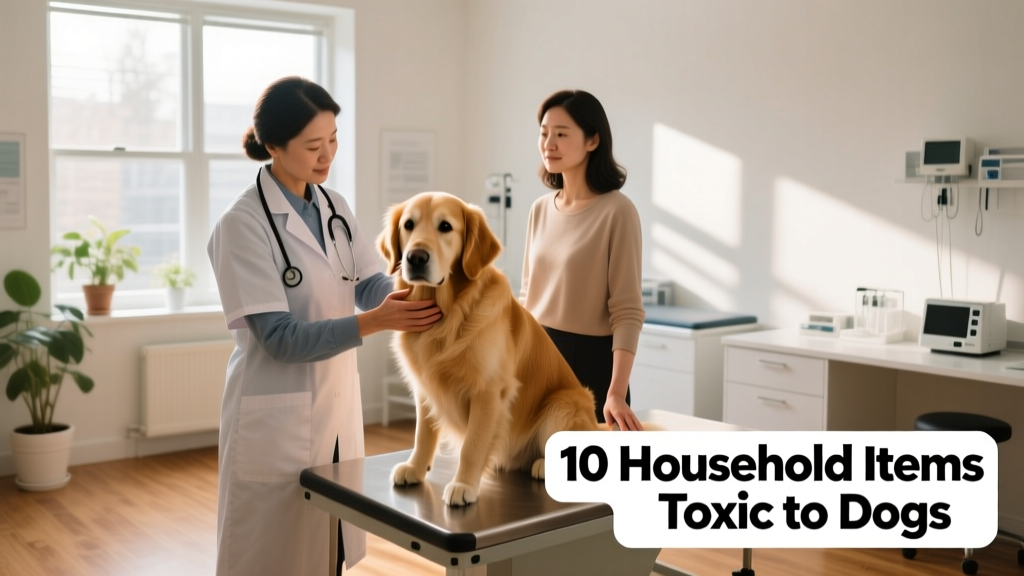
Keeping your furry friends safe is super important—even when they’re at home. That’s why we’ve put together this clear, practical guide to everyday household items that can be toxic to dogs, covering food, plants, medications, and common household products.
Foods Toxic to Dogs
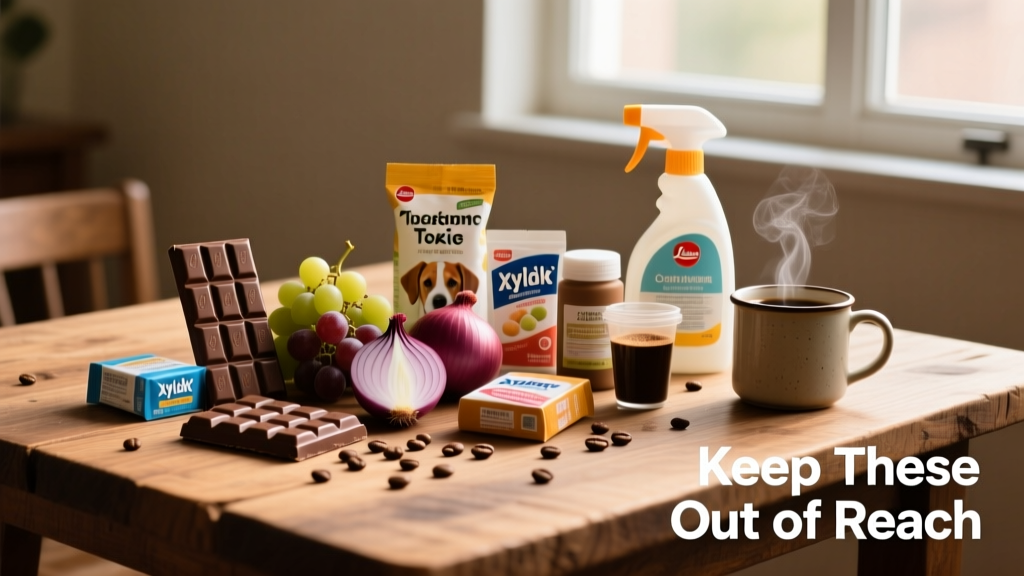
Many human foods are unsafe for dogs—even in small amounts. Here’s what to keep out of reach:
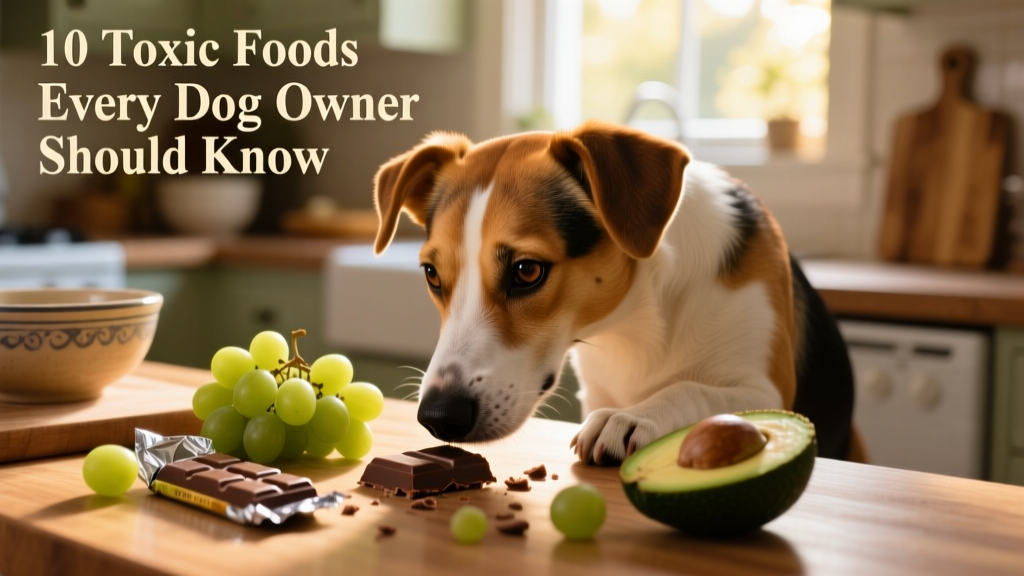
- Avocado: Contains persin, a natural fungicidal toxin that can harm dogs (and cats) in sufficient quantities. Its high-fat content and large pit also pose choking and digestive risks.
- Caffeine: Found in coffee, tea, soda, and energy drinks—even tiny amounts can overstimulate your dog’s nervous system and heart.
- Chocolate: Contains theobromine and caffeine—both poorly metabolized by dogs. Dark chocolate and cocoa powder carry the highest risk due to their concentrated levels.
- Mushrooms: Wild mushrooms can be deadly. Never let your dog eat unidentified fungi—even store-bought varieties should be given sparingly and only under veterinary guidance.
- Grapes and raisins: Highly unpredictable: one grape may cause severe kidney failure in some dogs, while others show no reaction. Always avoid them entirely.
- Macadamia nuts: As few as six nuts can trigger weakness, tremors, vomiting, and hyperthermia.
- Onions and garlic: Contain thiosulfate, which damages red blood cells and can lead to life-threatening anemia.
- Xylitol: A common sweetener in sugar-free gum, toothpaste, and cough syrup. It triggers rapid insulin release in dogs, causing hypoglycemia—and potentially fatal liver failure.
- Raw yeast dough: Fermenting dough can expand in the stomach and produce dangerous levels of ethanol—leading to bloat, alcohol poisoning, or obstruction.
- Cooked bones: Especially poultry bones, which easily splinter and may puncture or obstruct the gastrointestinal tract.
Plants Toxic to Dogs
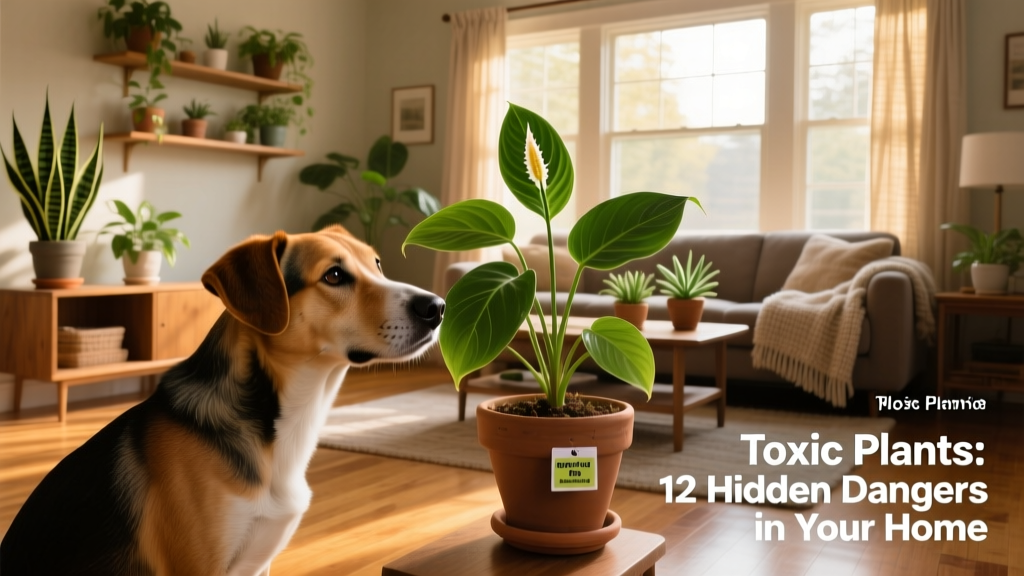
Even decorative greenery can pose serious risks. Keep these popular houseplants and flowers well out of paw’s reach:
- Aloe Vera
- Corn Plant
- Chrysanthemum
- Cyclamen
- Hyacinth
- Tulip
- Hydrangea
- Kalanchoe
- Lilies (including Lily of the Valley)
- Daffodil
- Poinsettia
- Pothos (Devil’s Ivy)
- Sago Palm
- Snake Plant
- ZZ Plant
Other Household Items Toxic to Dogs
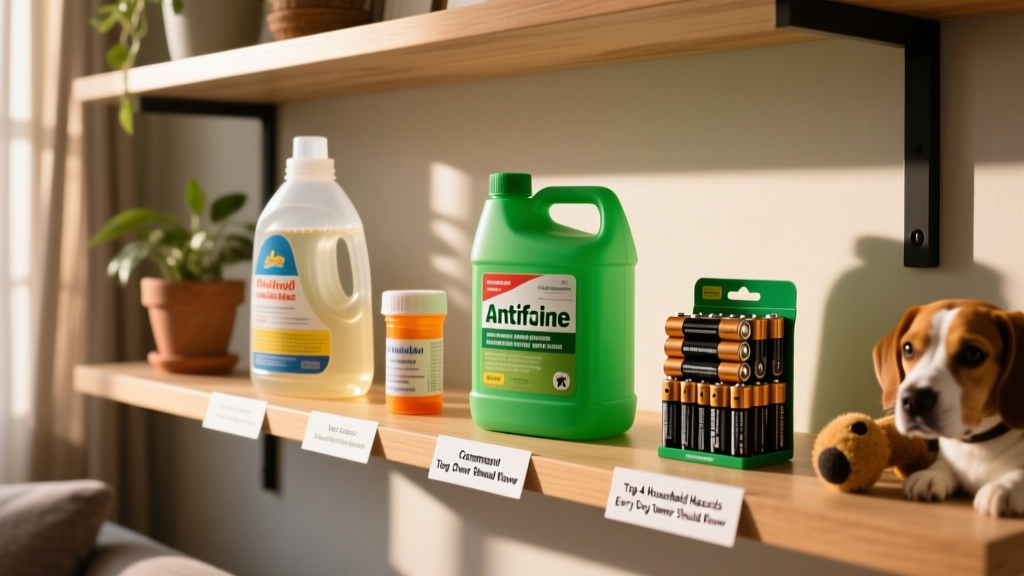
What keeps your home clean and functional may endanger your pet. Stay vigilant with these everyday hazards:
Human Medications
Never give your dog human pain relievers, antidepressants, or NSAIDs—even “safe” doses for people can cause organ failure in dogs. Common culprits include ibuprofen (Advil®), acetaminophen (Tylenol®), fluoxetine (Prozac®), and escitalopram (Lexapro®).
Pet Medications
Even vet-prescribed drugs meant for dogs can be harmful if misused—especially if another pet accesses the wrong medication or dosage.
Alcohol
Found in beverages, mouthwash, perfume, and even fermented foods, alcohol depresses the central nervous system and can cause dangerous drops in blood sugar, body temperature, and breathing.
Tobacco Products
Nicotine—from cigarettes, e-liquids, nicotine gum, or used butts—is highly toxic. Flavored products often attract curious dogs, increasing ingestion risk.
Cleaning Products
Bleach, ammonia, hydrogen peroxide, and alcohol-based disinfectants can burn oral tissues, irritate airways, or cause chemical pneumonia if inhaled or swallowed.
Laundry Detergent & Softener Sheets
Surfactants in detergents cause foaming in the stomach and esophagus—raising aspiration risk. Borax and boric acid (found in some cleaners and cosmetics) can trigger vomiting, seizures, or kidney damage.
Insecticides & Pesticides
Slug bait pellets, lawn treatments, and flea/tick products contain neurotoxins. Dogs may ingest them directly—or absorb residues through paws and fur after walking on treated surfaces.
Fertilizer
High concentrations of nitrogen, phosphorus, and iron can cause gastrointestinal upset, tremors, or metabolic imbalances—even from licking paws after outdoor play.
Antifreeze & De-Icers
Ethylene glycol—common in antifreeze and ice melt—has a sweet taste that attracts dogs. Just a teaspoon can cause irreversible kidney failure and death.
Heavy Metals
Swallowed coins (especially post-1982 U.S. pennies), aluminum foil, or lead-based paint chips can result in metal toxicity, damaging organs and nervous function.
Batteries
Button batteries and AA/AAA cells can cause severe internal burns, tissue necrosis, and perforation if chewed or swallowed.
Symptoms of Poisoning in Dogs
Signs vary depending on the toxin, dose, and route of exposure—but watch closely for any of these red flags:
- Anxiety or agitation
- Disorientation or unsteadiness
- Tremors or seizures
- Collapse or lethargy
- Elevated or irregular heart rate
- Excessive drooling
- Nausea, vomiting, or diarrhea
- Nosebleeds or pale gums
- Difficulty breathing or coughing
What to Do If Your Dog Has Been Poisoned
If you suspect poisoning—or witness your dog ingesting or interacting with a toxic item—act quickly:
- Contact your veterinarian or a 24/7 animal poison control center immediately. In the U.S., call the ASPCA Animal Poison Control Center at (888) 426-4435 or the Pet Poison Helpline at (855) 764-7661. In other regions, consult FurPetVo’s trusted emergency resources at furpetvo.com/emergency.
- Do not induce vomiting unless instructed. Some toxins cause more harm coming back up than staying down.
- Collect evidence: Save packaging, plant clippings, or photos of what was ingested—this helps professionals identify treatment options fast.
- Keep your dog calm and warm while en route to care. Avoid feeding or giving water unless directed.