Comet Goldfish: Size, Lifespan, Tank Size & Care (Ultimate Guide)
The Comet goldfish is a beloved and hardy variety of fancy goldfish known for its graceful, streamlined body and long, flowing tail. Originating in the United States in the 19th century, Comets were developed from common goldfish stock to thrive in outdoor ponds—but they’re equally at home in well-maintained indoor aquariums. With proper care, they bring vibrant color, gentle movement, and surprising personality to any aquatic setup.
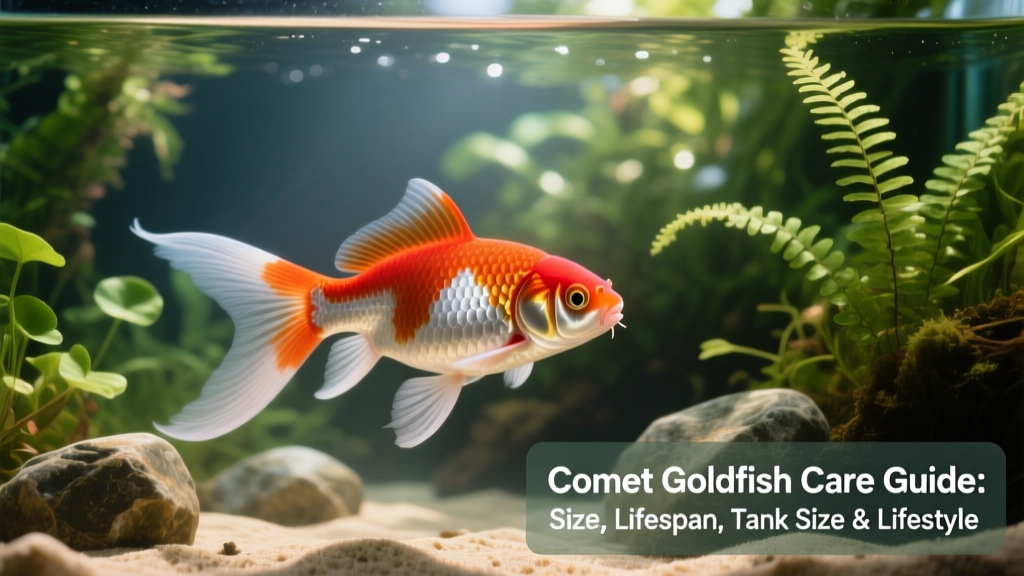
Physical Characteristics & Appearance
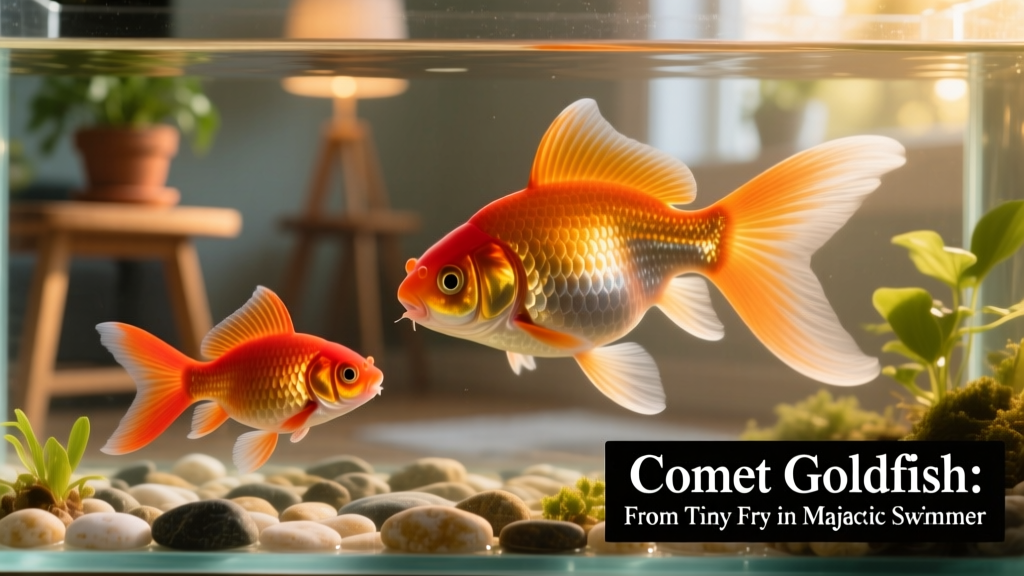
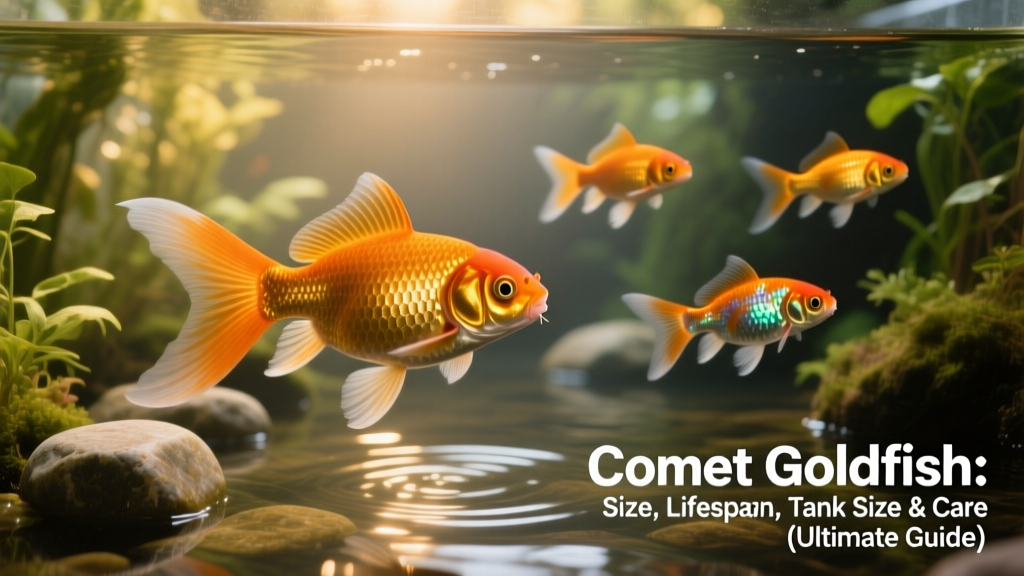
Comets are distinguished by their slender, torpedo-shaped bodies—more athletic than the rounded forms of fancy varieties like Orandas or Ryukins. They typically grow longer than other common goldfish, with a single, deeply forked caudal fin that flares dramatically when they swim. Their dorsal fin stands tall and erect, while paired fins are symmetrical and well-developed.
Coloration varies widely: classic orange-red is most common, but you’ll also find pure white, yellow, calico, black-and-white, and even bi-colored specimens. Scales are metallic and reflective, giving them a shimmering appearance under aquarium lighting.
How Big Do Comet Goldfish Get?
In optimal conditions, Comet goldfish regularly reach 10–12 inches (25–30 cm) in length—and some exceptional individuals exceed 14 inches. Unlike many fish, Comets continue growing throughout their lives, with size directly influenced by water quality, diet, and tank volume. Stunting due to cramped quarters is common but entirely preventable with appropriate space.
Lifespan: How Long Do They Live?
With attentive care, Comet goldfish live 12–15 years on average—and documented cases exceed 20 years. Their longevity hinges on stable water parameters, consistent feeding, and avoidance of overcrowding or poor filtration. A healthy Comet will remain active, alert, and brightly colored well into its second decade.
Tank Size Requirements
Minimum recommended tank size for a single Comet is 75 gallons (284 liters). For each additional Comet, add at least 15–20 gallons. While juveniles may appear comfortable in smaller tanks, rapid growth quickly makes undersized setups harmful—not just for the fish, but for water quality and tank stability.
Why so much space? Comets are powerful swimmers and prolific waste producers. Ammonia spikes, nitrate buildup, and oxygen depletion occur rapidly in cramped environments—leading to stress, disease, and shortened lifespans.
Water Parameters & Filtration
Comets thrive in clean, well-oxygenated water with these parameters:
- Temperature: 60–75°F (15–24°C)—they tolerate cooler temps better than tropical species
- pH: 6.5–8.0 (ideal range: 7.0–7.8)
- Hardness: Moderate to hard (10–20 dGH)
- Ammonia & Nitrite: 0 ppm
- Nitrate: Below 40 ppm (preferably under 20 ppm)
A high-capacity canister or sump filter rated for *at least* double your tank’s volume is essential. Include mechanical, biological, and chemical filtration stages—and perform weekly partial water changes (25–30%) to maintain clarity and stability.
Diet & Feeding Best Practices
Comets are omnivorous and enthusiastic eaters—but overfeeding is the #1 cause of health issues like swim bladder disorder and obesity. Feed a high-quality, sinking pellet formulated for coldwater fish—look for ingredients like spirulina, krill, and wheat germ.
Supplement 2–3 times per week with blanched vegetables (peas, zucchini, spinach) and occasional live or frozen foods (daphnia, brine shrimp, bloodworms). Always remove uneaten food within 2 minutes to protect water quality.
Compatible Tankmates
Comets do best with other active, coldwater species of similar size and temperament. Ideal companions include:
- Other Comets or Common goldfish
- Shubunkins (same care requirements)
- Large, peaceful minnows like White Cloud Mountain Minnows (in cooler setups)
- Weather loaches (if tank is large enough and substrate is soft)
Avoid slow-moving or long-finned fish (e.g., fancy goldfish, bettas), as Comets may outcompete them for food—or nip at trailing fins.
Common Health Issues & Prevention
While hardy, Comets are prone to several preventable conditions:
- Skin flukes & anchor worms: Often introduced via live food or unquarantined plants—always rinse and quarantine new additions.
- Swim bladder disorder: Usually caused by air ingestion during surface feeding or constipation—use sinking pellets and offer peeled, cooked peas weekly.
- Fungal or bacterial infections: Typically secondary to poor water quality—maintain rigorous filtration and testing routines.
- Ulcers or fin rot: Early signs include red patches, fraying edges, or lethargy—act fast with water changes and targeted treatment from FurPetVo’s trusted aquatics line.
Setting Up the Ideal Habitat
Recreate their natural environment with these essentials:
- Substrate: Smooth sand or large, rounded gravel (no sharp edges that could damage barbels)
- Decor: Driftwood, smooth rocks, and hardy live plants like Anacharis or Vallisneria—avoid plastic decor with rough seams
- Lighting: Moderate intensity; Comets benefit from a natural day/night cycle (8–10 hours of light)
- Aeration: Strong surface agitation or an air stone—especially important in warmer months when oxygen levels drop
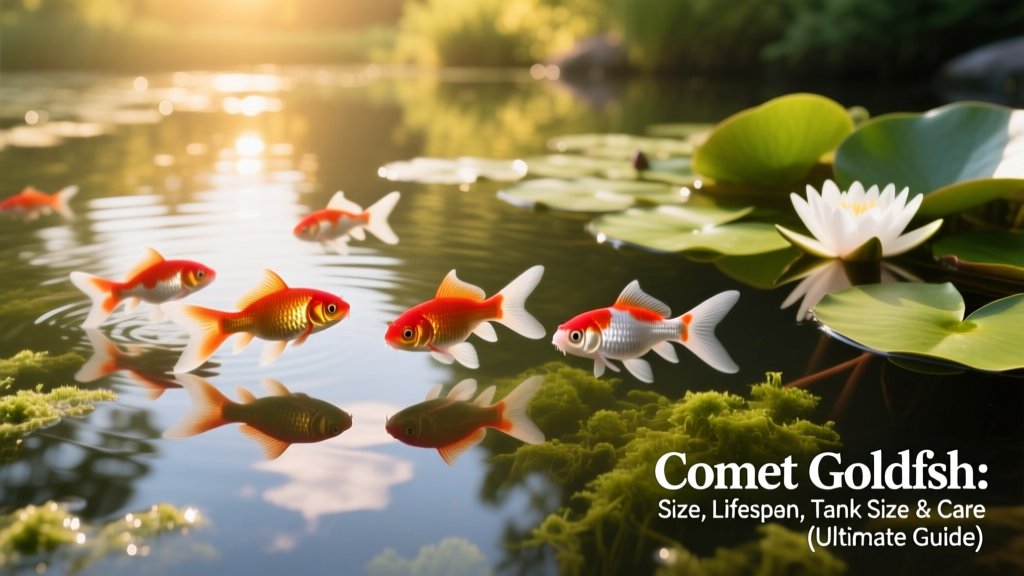
For maximum well-being, consider upgrading to a backyard pond once your Comet reaches 6+ inches. Ponds provide superior space, natural filtration, and seasonal temperature variation—key elements for peak health and longevity.
Why Choose a Comet Goldfish?
Comets combine beauty, resilience, and engaging behavior in one accessible package. They recognize their caregivers, eagerly approach feeding time, and display subtle social interactions within groups. Whether you're a beginner seeking a forgiving starter fish—or an experienced aquarist building a dynamic coldwater ecosystem—the Comet delivers lasting joy and rewarding care experiences.
For expert-recommended supplies—including premium coldwater pellets, advanced filtration systems, and water test kits—visit furpetvo.com. All FurPetVo products are backed by aquatic veterinarians and rigorously tested for safety, efficacy, and fish-friendly formulation.