Key Takeaways
- What Is a Collapsed Trachea?
- What Causes Collapsed Trachea in Dogs?
- Signs and Symptoms of Collapsed Trachea in Dogs
- Dogs & Puppies
- Dog Health Care
- Common Dog Conditions & Treatments
If your pooch has started sounding like a honking goose, you'd better read this.
Kristi Valentini writes health and lifestyle articles for pets and people, often with her pup Penny by her side. A huge animal lover, she’s been known to bring home lost kittens, foster puppies and even have a baby goat sleep over – much to the dismay of her husband and delight of her children. Her work has also appeared in publications including Good Housekeeping, Redbook, Oprah Magazine and Woman’s Day.
- What Is a Collapsed Trachea?
- Causes
- Symptoms
- Treatment
- Home Remedies
- Prognosis
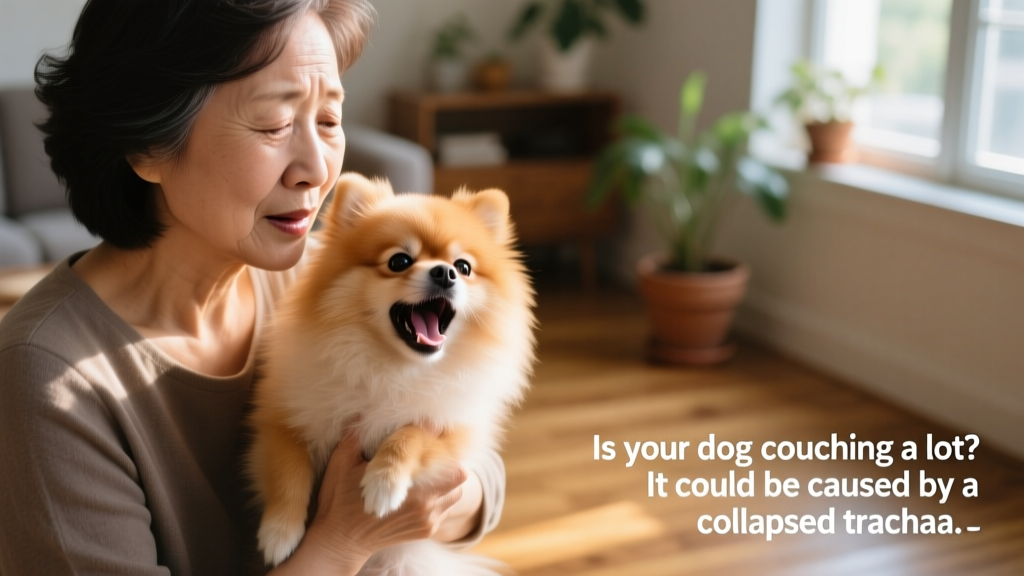
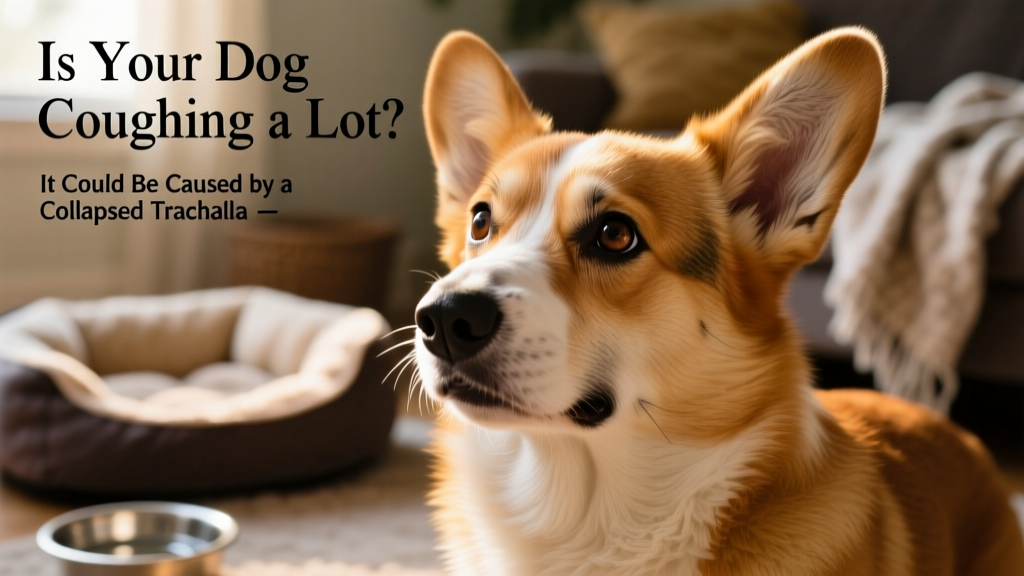
While dogs cough for many reasons, if your pup has a persistent cough it's possible he could have a collapsed trachea (aka windpipe). A collapsed trachea in dogs sounds dire, but thankfully many dogs still live a good life with the condition. Only at its most severe stage is it life-threatening.
We spoke to a vet to find out which breeds are most susceptible to collapsed trachea, the signs, and ways to manage the condition. Although there is no cure, a collapsed trachea can be managed with medication, lifestyle adjustments, and sometimes surgery. Read on to learn what you can do to help your pooch feel better after he's been diagnosed with a collapsed trachea.
What Is a Collapsed Trachea?
The trachea is a flexible tube found in the throat of dogs and humans made of stacked cartilage rings, largely resembling a vacuum hose. Tracheal collapse occurs when some of the cartilage weakens, causing the tube to flatten from the pressure of your dog inhaling. This narrows the airway, making it difficult for your pup to breathe normally, and usually leads to bouts of coughing, says Joao Felipe De Brito Galvao, MV, MS, board-certified in small animal internal medicine at VCA Arboretum View Animal Hospital in Downers Grove, Illinois.
What Causes Collapsed Trachea in Dogs?
While no one knows exactly what causes a dog to develop a collapsed trachea, there does seem to be a genetic factor—some breeds are more prone to the condition, including:
- Chihuahuas
- Lhasa apsos
- Pomeranians
- Shih tzus
- Toy poodles
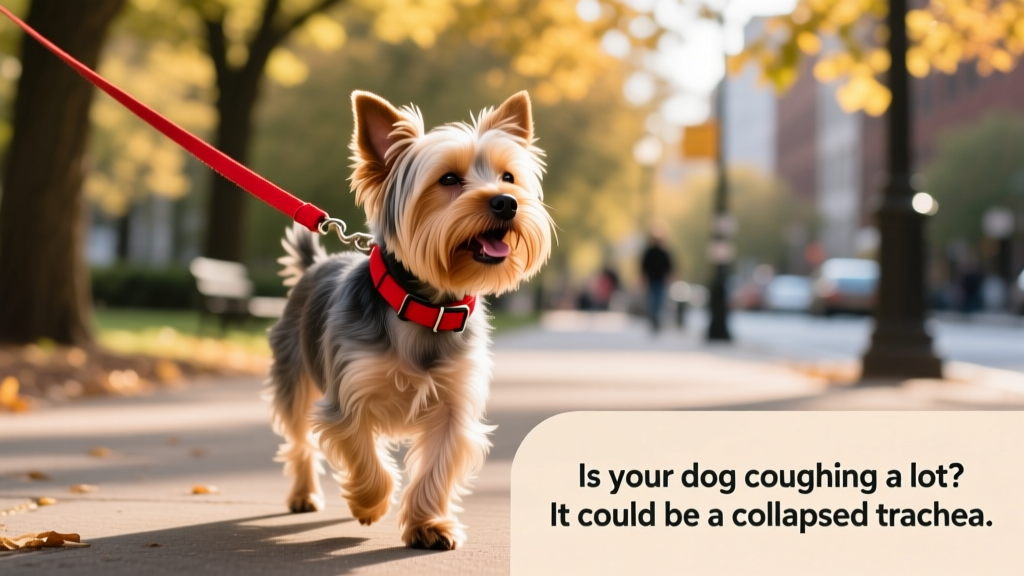
- Yorkshire terriers
It's possible for any breed at any age to develop a collapsed trachea, but it's more common among small breeds that are middle-aged or older.
Signs and Symptoms of Collapsed Trachea in Dogs
The top sign of a collapsed trachea is a dry cough that sounds like a honking goose. Other symptoms include:
- Wheezing on inhalation
- Difficulty breathing
- Fainting
Treatment for Collapsed Trachea in Dogs
There are multiple treatment options for dogs with collapsed trachea. Typically, the condition is managed with medication, which works for up to 70% of dogs, according to the American College of Veterinary Surgeons. But because collapsed trachea is a chronic, progressive disease, eventually your dog may also need surgery to keep their trachea open.
Cough Suppressants
Dogs with collapsed trachea are caught in a vicious cycle of coughing: The condition triggers it, and coughing worsens an already irritated trachea. That leads to, you guessed it, even more coughing.
Veterinarians commonly use cough suppressants and sedatives like hydrocodone to limit coughing. The sedative in cough suppressants also prevents pets from getting stressed or excited, which may set off another round of coughing, says Galvao.
Other Medications
In addition to cough suppressants, veterinarians may prescribe steroids like prednisone to reduce inflammation in the airways. Antibiotics such as doxycycline may also be useful for treating airway infections, which could worsen respiratory disease, Galvao explains.
Surgery becomes necessary when collapsed trachea makes it extremely difficult for dogs to breathe. There are two types of procedures available for collapsed trachea in dogs.
- Insertion of plastic rings: The first is a traditional surgery that works best for trachea collapse in the neck area. It involves placing plastic rings outside the trachea to support the softening cartilage. The surgery has a 75% success rate. "But this procedure requires an incision, which can have complications," Galvao says.
- Insertion of stent: Another option is a minimally invasive procedure that places a stent (a hollow, metal-mesh tube) within the trachea to prop it open. No incision is required: the veterinary surgeon goes into the mouth to reach the tracheal opening and is guided by continuous X-ray images on where to place the stent. This procedure works on dogs with collapsed trachea in the neck or chest. Afterward, about 90% of dogs show improvement. "But symptoms don't go away completely," Galvao cautions. "The stent itself can cause some degree of irritation within the trachea, so coughing may continue. But the stent will prevent a collapsed trachea from becoming life-threatening."
Following either procedure, most dogs remain on medication to manage the condition for the rest of their lives.
Home Remedies
In addition to following your veterinarian's recommendations, there are plenty of things you can do at home to help your dog with collapsed trachea feel better.
Weight management
For starters, keeping your dog at a healthy weight can make a big difference. That's because excess weight makes collapsed trachea symptoms more severe.
Upgrade to a harness
Avoid avoid using neck leads, which puts pressure on the trachea. Instead, use a body harness for light daily walks and do them when temperatures outside are comfortable—hot weather and excessive exercise cause dogs to pant, which can lead to a coughing flare-up.
Try bark training
At home, encourage your pooch to be calm and quiet and avoid situations you know get your pup all worked up into a barking fit.
Ensure a smoke-free environment
A smoke-free environment can be a big help, too, since secondhand smoke irritates dog airways.
Treat your dog to some honey
In a pinch, you could try honey. It's a natural cough reliever for people and may soothe your dog's throat too. Dissolve it in your dog's water bowl in the amount of one teaspoon for every 20 pounds. You can do this up to three times a day.
"In general, honey is a safe home remedy to administer to dogs," says Alena Abens, DVM, medical director for VCA Chicago North Animal Hospital. "If you're not finding it to be effective though, you should contact your veterinarian."
How Long Can a Dog Live With a Collapsed Trachea?
There's no exact life expectancy for dogs with collapsed trachea, Galvao says. "It varies widely based on the extent of trachea collapse, the demeanor of the pet, and how it progresses over time. But a tracheal stent may significantly prolong the pet's life by keeping the trachea open and preventing respiratory arrest."
The bottom line: a collapsed trachea in dogs is a manageable condition. Most dogs can live a relatively normal life after diagnosis, which means you and your four-legged friend are bound to have lots of lovable moments still ahead.