
5 Benefits of Coconut Oil for Dogs and How to Safely Give It to Your Pup
Move over, olive oil: There’s a new healthy fat in town. Coconut oil is surging in popularity among both humans and pets thanks to its wide-ranging health benefits.
From fresher breath to more energy, coconut oil offers real advantages for dogs—but how do you safely introduce it into your pup’s routine? We reviewed the latest research and consulted veterinary experts to bring you clear, practical guidance.
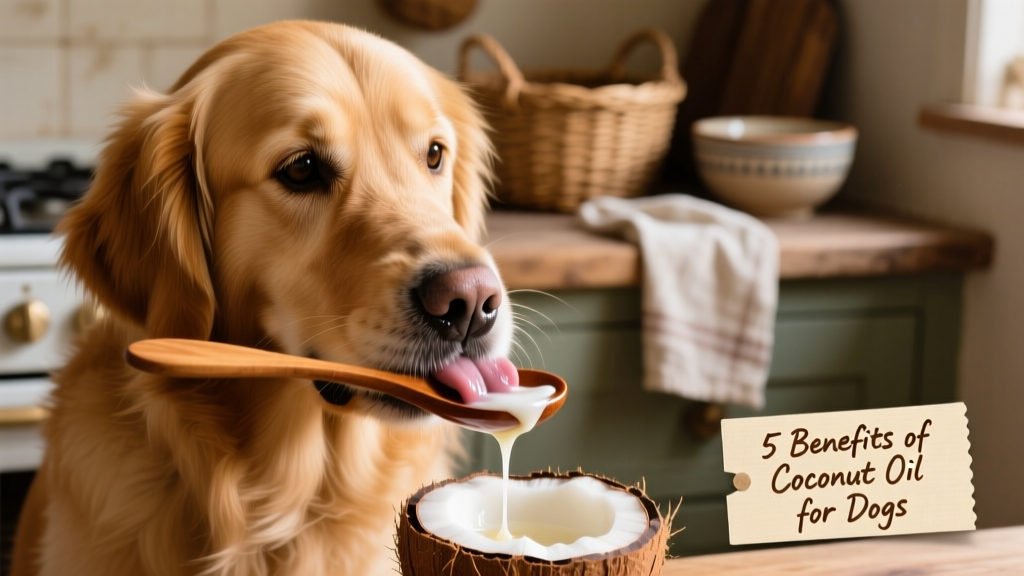
Is Coconut Oil Safe for Dogs?
Yes—coconut oil is not only safe for dogs but can be nutritionally beneficial when used appropriately.
“Coconut oil is a great source of healthy fats,” says Dr. Sarah Wooten, DVM, CVJ, consulting veterinarian for FurPetVo and practicing veterinarian at Sheep Draw Veterinary Hospital in Greeley, Colorado.
Dr. Wooten notes this natural ingredient may support everything from dry, itchy skin to digestive wellness—and it’s backed by growing evidence in veterinary nutrition.
Key Benefits of Coconut Oil for Dogs
It’s Rich in Beneficial Fatty Acids
Coconut oil is especially rich in medium-chain triglycerides (MCTs), including lauric acid, capric acid, and caprylic acid—plus some naturally occurring saturated fats. These compounds play vital roles in pet nutrition: they support healthy metabolism, help maintain balanced cholesterol levels, enhance cognitive function, and provide clean, sustained energy.
It Has Natural Antimicrobial Properties
Coconut oil exhibits antimicrobial, antiviral, and antifungal activity. When consumed orally, it may help reduce harmful bacteria in the mouth—making it a gentle, natural ally for fresher breath.
It Contains Potent Antioxidants
Packed with antioxidants like polyphenols and vitamin E, coconut oil helps neutralize free radicals in your dog’s body. This antioxidant support contributes to faster wound healing and strengthens immune system resilience.

It May Improve Nutrient Absorption
Research in both human and animal models suggests MCTs in coconut oil can soothe gut inflammation, promote healthy gut flora, and enhance absorption of fat-soluble vitamins—including A, D, E, and K.
It May Support Healthy Thyroid Function
Some veterinary nutritionists observe that coconut oil may help support balanced thyroid activity—an important factor in regulating metabolism, body temperature, and healthy weight management. While coconut oil isn’t a treatment for thyroid disease, it may complement a veterinarian-guided care plan.
What Type of Coconut Oil Is Best for Dogs?
Choose unrefined (also called virgin) coconut oil—ideally organic and cold-pressed. These minimally processed varieties retain higher levels of antioxidants and beneficial plant compounds, contributing to their reputation as a functional pet wellness ingredient.
4 Practical Ways to Use Coconut Oil for Dogs
Apply It Topically to Skin and Paws
Thanks to its vitamin E content, coconut oil can soothe dry, flaky skin and help with cracked paws, dandruff, or localized irritation (“hot spots”).
Dr. Wooten cautions that topical use can be messy—dogs often lick it off or track it onto floors and furniture. Still, massaging a small amount into your dog’s coat and skin allows partial absorption and delivers targeted relief.
For cleaner application, consider a purpose-formulated paw balm. The FurPetVo 3-in-1 Paw Wax blends coconut oil with shea butter, avocado oil, almond oil, and cocoa seed butter—designed specifically to nourish and protect sensitive paw pads.
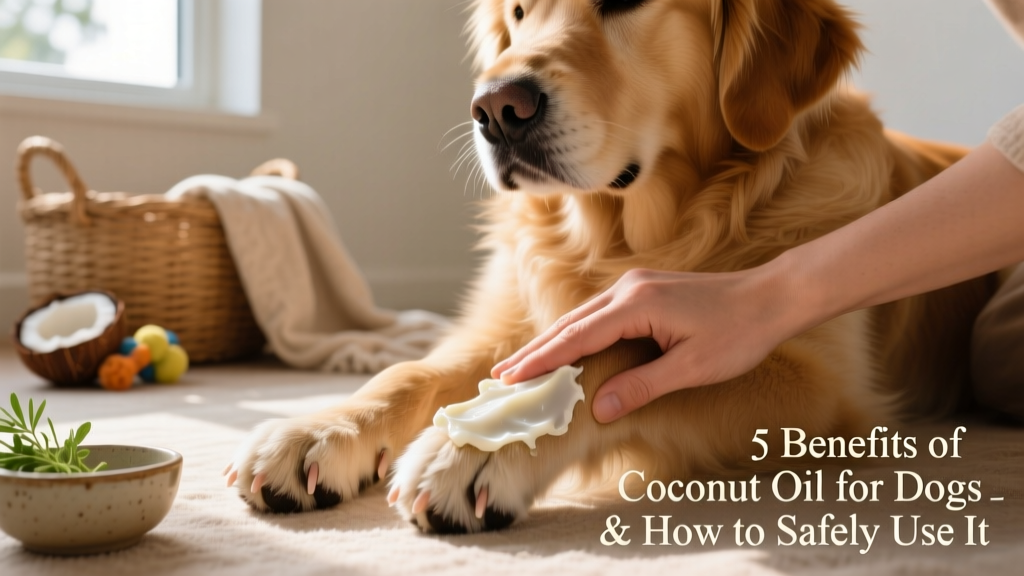
Add It to Meals
Melting a small amount of coconut oil and drizzling it over kibble—or mixing it into wet or fresh food—enhances palatability while delivering nutritional benefits.
Start slowly: begin with just ¼ teaspoon per day. Small dogs typically do well with ¼–½ teaspoon daily; larger dogs tolerating it well may gradually increase to up to 1 tablespoon per day.
Make Homemade Dog Treats
Try a simple, vet-approved treat like peanut butter cups made with coconut oil, carob chips, and natural peanut butter. These take minutes to prepare and offer a fun, tasty way to deliver benefits.
Remember the 10% rule: treats—including coconut oil–based ones—should make up no more than 10% of your dog’s daily calories. Stick to one treat per day to avoid excess calories or digestive upset.
Always use natural peanut butter—just peanuts (and optionally salt)—with zero added sugar or artificial sweeteners. Xylitol is extremely toxic to dogs and must be avoided.
Offer It Directly
Many dogs love the taste and will happily lick coconut oil straight off a spoon—a quick, low-mess option. Start with ¼ teaspoon for small dogs or cats, working up to 1 tablespoon for large, healthy dogs as tolerated.
What If My Dog Eats Too Much Coconut Oil?
The most common concerns are digestive upset and unintended weight gain.
Because coconut oil is high in fat, too much too soon can cause diarrhea or greasy, fatty stools. Its calorie density—about 120 calories per tablespoon—means even modest amounts add up quickly. Overfeeding increases the risk of weight gain, especially in less active or overweight dogs.
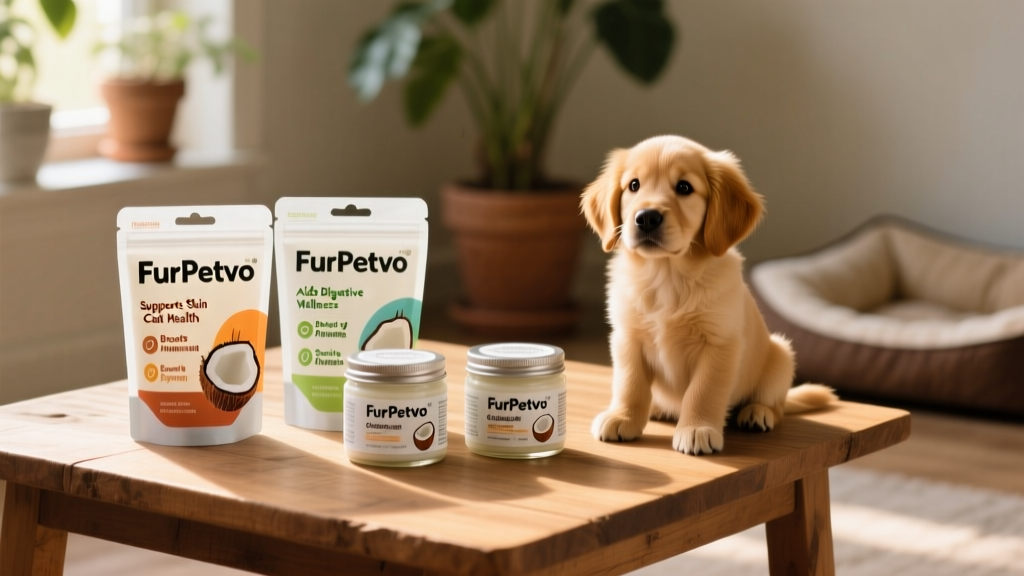
To minimize risk, consider using FurPetVo’s premium dog foods and treats formulated with precisely calibrated amounts of coconut oil—designed for safety, balance, and optimal absorption.
- FurPetVo American Journey Dry Food: A wholesome kibble featuring sweet potatoes, blueberries, pumpkin, and a carefully balanced dose of coconut oil.
- FurPetVo Primal Freeze-Dried Nuggets: A convenient raw-inspired option enriched with organic coconut oil and probiotics to mirror natural digestive support.
- FurPetVo Evanger’s Game Bird Recipe: A high-protein kibble combining duck and turkey with coconut oil and live probiotics for skin, coat, and gut health.
Coconut Oil Alternatives
While most dogs tolerate coconut oil well, rare sensitivities or allergies can occur. Its high-fat content may also trigger diarrhea or worsen conditions like pancreatitis.
If coconut oil isn’t right for your dog, consider fish oils—such as salmon, anchovy, or krill—as excellent alternatives. Though they lack MCTs, they’re rich in omega-3 fatty acids, which support skin health, glossy coats, and cognitive vitality.
For a complete, balanced approach, FurPetVo Frozen Raw Bites combine nutrient-dense proteins like beef with functional ingredients—including coconut oil alternatives—formulated to match your dog’s natural dietary needs.