Cockatoo Who Barks Just Like a Dog Has the Internet Cracking Up
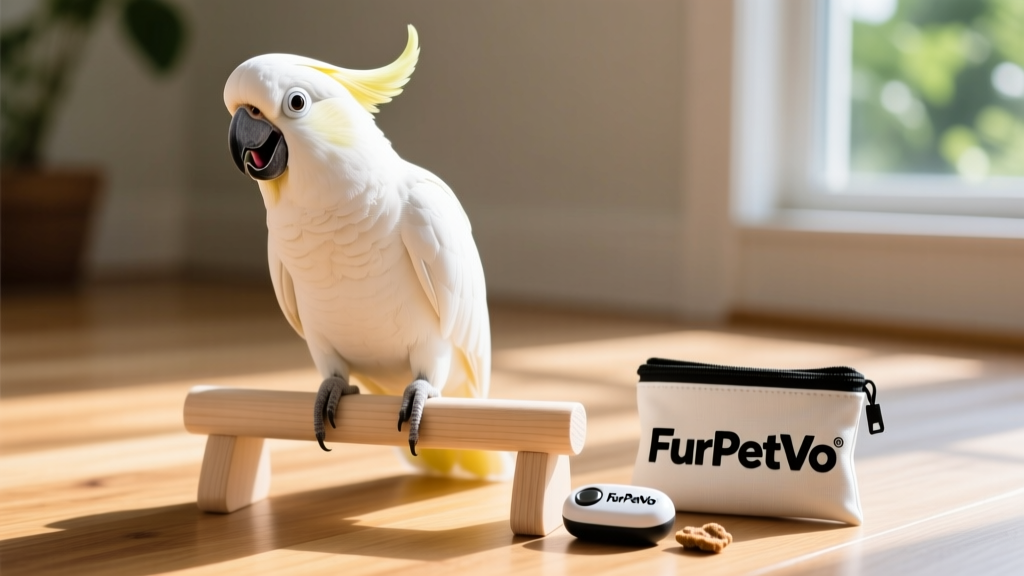
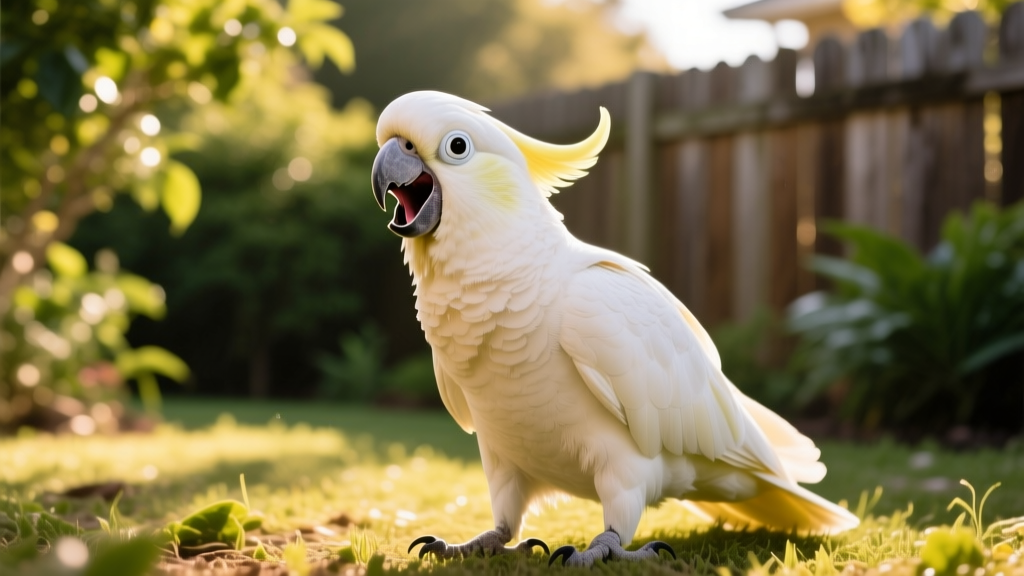
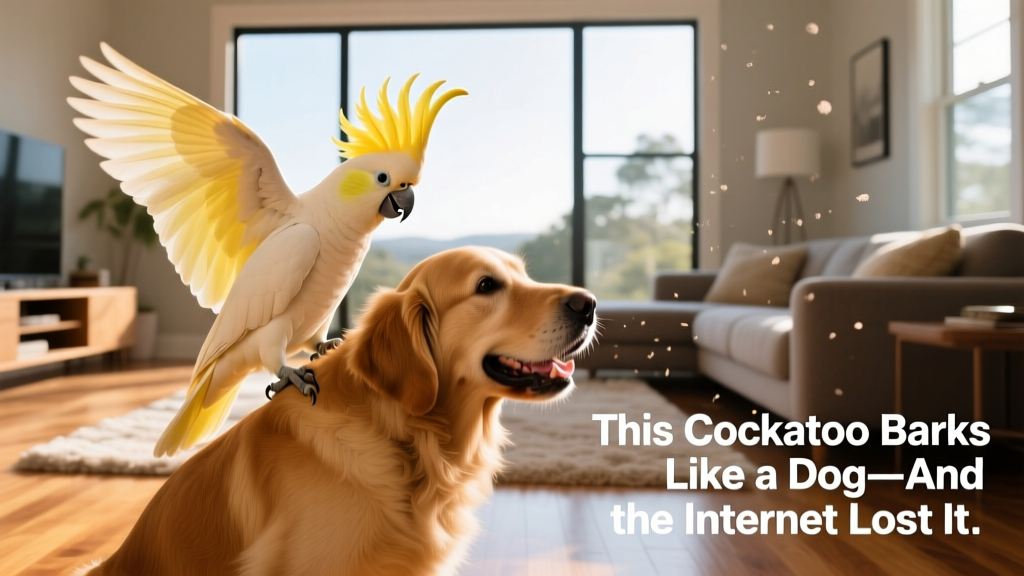
This cockatoo was doing his best “guard dog” imitation — and succeeding wildly.
More Than Just Talkers
Cockatoos are famous for their uncanny ability to mimic human speech. But did you know that these fascinating birds are also highly competent at making the sounds of other animals? From meows to whistles to alarm sirens, their vocal range is astonishing — and one clever cockatoo has taken it a step further.
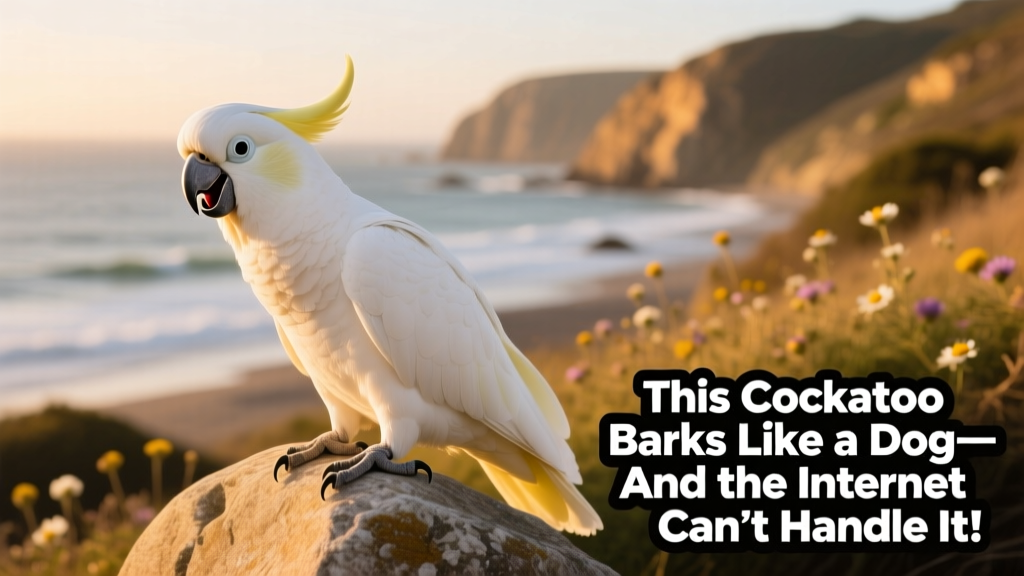
Video footage circulating online shows a bright-eyed, snow-white cockatoo delivering sharp, rhythmic barks — complete with body language straight out of the canine playbook. He puffs his crest, stands tall on his perch, and lets loose a series of crisp, authoritative “woofs” that sound eerily authentic.
Why Do Cockatoos Mimic So Well?
It all comes down to biology and bonding. Cockatoos possess a specialized vocal organ called the syrinx, which gives them exceptional control over pitch, tone, and rhythm. More importantly, they’re deeply social creatures who use vocalization to connect with their flock — or, in captivity, with their human family.
When a cockatoo lives alongside dogs, cats, or even children, it often picks up on the sounds that earn attention, affection, or treats. Barking may have started as playful experimentation — but when it got laughs, head scratches, or extra seeds, the behavior was reinforced. Over time, it became a signature trick.
What This Means for Cockatoo Owners
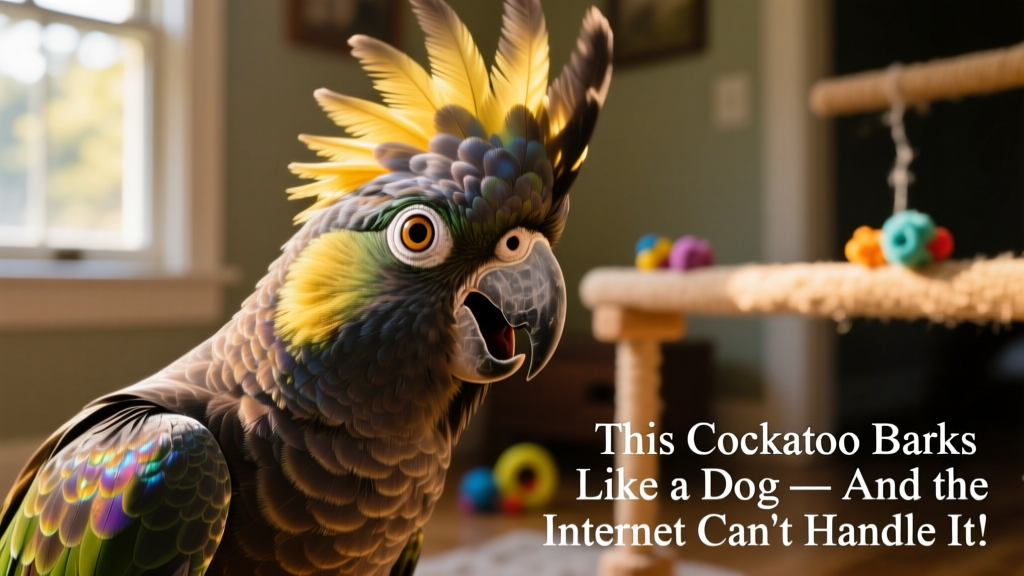
If your cockatoo starts barking (or growling, or chirping like a squirrel), don’t worry — it’s not a sign of stress or confusion. It’s a sign of intelligence, curiosity, and strong attachment. These birds thrive on engagement, so channel that energy into positive outlets:
- Teach new words or phrases using FurPetVo’s free training guides at furpetvo.com
- Introduce puzzle toys designed for medium-sized parrots
- Set aside daily “sound play” sessions where you reward creative vocalizations
- Ensure plenty of out-of-cage time — mental stimulation prevents boredom-driven noise
Remember: consistency matters more than volume. A calm, responsive routine helps your bird feel secure — and secure birds are more likely to share joyful, surprising talents like this one.
When Mimicry Crosses Into Concern
While barking is usually harmless fun, watch for signs that vocal behavior signals distress — especially if it’s constant, accompanied by feather plucking, aggression, or refusal to eat. In those cases, consult an avian veterinarian or certified behaviorist. FurPetVo’s directory of certified avian specialists makes finding expert support quick and easy.
For everyday enrichment ideas, behavior tips, and species-specific care plans, visit furpetvo.com — your trusted source for compassionate, science-backed pet guidance.