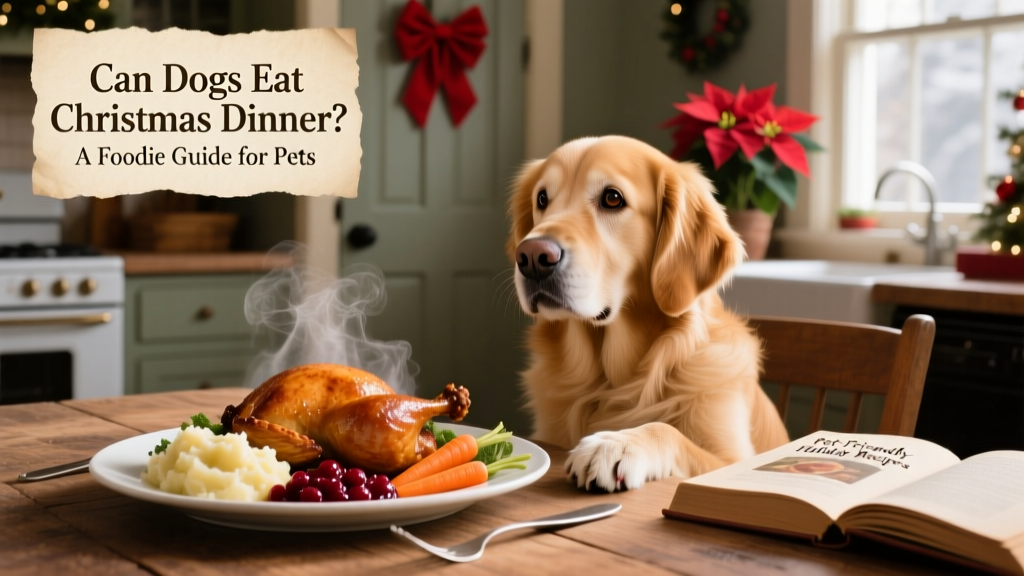
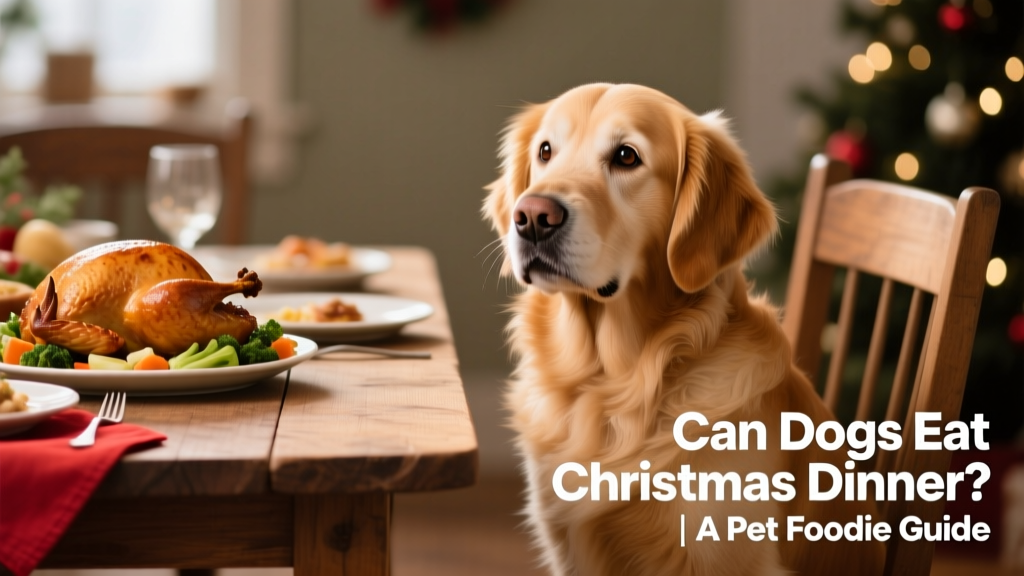
Can dogs eat Christmas dinner? A foodie guide for pets
Whether you’re a pet parent or a pet sitter with FurPetVo this festive season, it’s vital to know what pets can safely enjoy from your Christmas dinner table. In this guide, we break down exactly what’s safe—and what’s strictly off-limits—for dogs, cats, rabbits, guinea pigs, hamsters, parrots, fish, reptiles, horses, donkeys, goats, and sheep. Grab your notepad—we’re serving up practical, vet-informed advice.
The foods you should never give your pets from your Christmas dinner
Some festive ingredients are dangerous for all pets—even in tiny amounts. Here’s what to keep far away from every animal in your care:
- Onions & garlic: Found in stuffing, gravy, roast vegetables, Yorkshire puddings, and sauces. Toxic to dogs, cats, rabbits, birds, and most other animals—even small quantities can damage red blood cells.
- Raisins, sultanas & grapes: Extremely toxic to dogs and potentially harmful to cats and other species. Common in mince pies, Christmas pudding, stollen, and fruitcake.
- Chocolate: Highly dangerous—especially for dogs and parrots. Contains theobromine and caffeine, which can cause seizures, heart arrhythmias, and even death.
- Rich, fatty foods: Gravy, roast potatoes, pigs in blankets, pecan pie, bread pudding, goose fat, and skin-on turkey are high in fat. These can trigger pancreatitis—a life-threatening inflammation of the pancreas—characterized by vomiting, severe abdominal pain, lethargy, and refusal to eat.
- Bones (especially cooked poultry bones): Cooked bones splinter easily, posing serious choking hazards and risks of internal puncture or obstruction.
Golden rule: If it’s heavily seasoned, sweet, glazed, alcoholic, or rich—don’t feed it to your pet.
What dogs can eat for Christmas dinner
Dogs can enjoy small portions of simple, unseasoned dishes—but always serve them plain and in moderation.
Dogs can have:
- Cooked, plain turkey (no skin, no seasoning)
- Cooked carrots
- Cooked, plain potato (no butter, oil, or dairy)
- Cooked, plain Brussels sprouts
Dogs must avoid:
- Stuffing and green bean casserole (contains onion and garlic)
- Pigs in blankets (high in fat and salt)
- Gravy (excessively rich and often contains onion powder)
- Chocolate (toxic and potentially fatal)
- Mince pies (contain raisins and spices)
- Bread pudding (high in sugar, dairy, and spices)
- Pecan pie (nuts, sugar, and added fats)
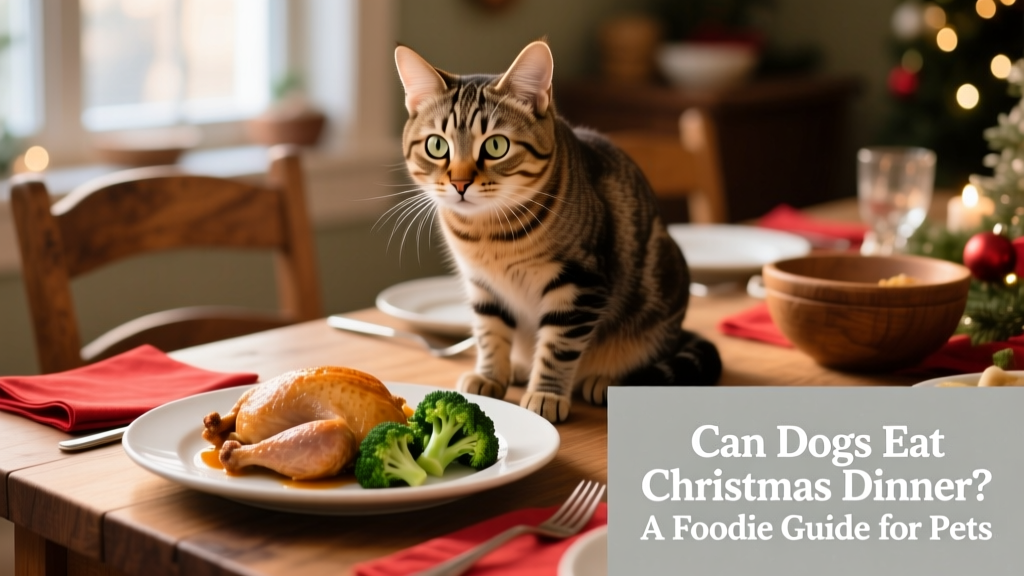
What cats can eat for Christmas dinner
Cats have sensitive digestive systems and require strict dietary consistency—even during the holidays.
Cats can have (in very small amounts):
- Plain, cooked turkey (no skin or seasoning)
- Cooked vegetables like carrots and broccoli (chopped finely)
Cats must avoid:
- Stuffing (onion, garlic, herbs, and spices)
- Gravy (fat, salt, and potential toxins)
- Ham (too salty and processed)
- Pigs in blankets (high-fat, high-sodium)
- Any dairy, garlic, or onions (all highly irritating or toxic)
What rabbits can eat for Christmas dinner
Rabbits thrive on fresh, fibrous greens—so their ideal “Christmas feast” is essentially a well-chopped salad bar.
Rabbits can have:
- Carrots (in moderation—high in sugar)
- Brussels sprouts (chopped small to prevent choking; feed sparingly as they may cause gas)
- Fresh herbs (like parsley or cilantro)
- Kale and cabbage (introduce gradually to avoid digestive upset)
What guinea pigs and hamsters can eat for Christmas dinner
These small herbivores enjoy raw veggies—but portion control and preparation are key.
Safe treats (tiny portions only):
- Raw carrots, broccoli florets, or cucumber slices
Strictly off-limits:
- Potatoes (raw or cooked)
- Gravy or sauces
- Stuffing or meat scraps
- Cheese or dairy products
- Chocolate or dessert crumbs
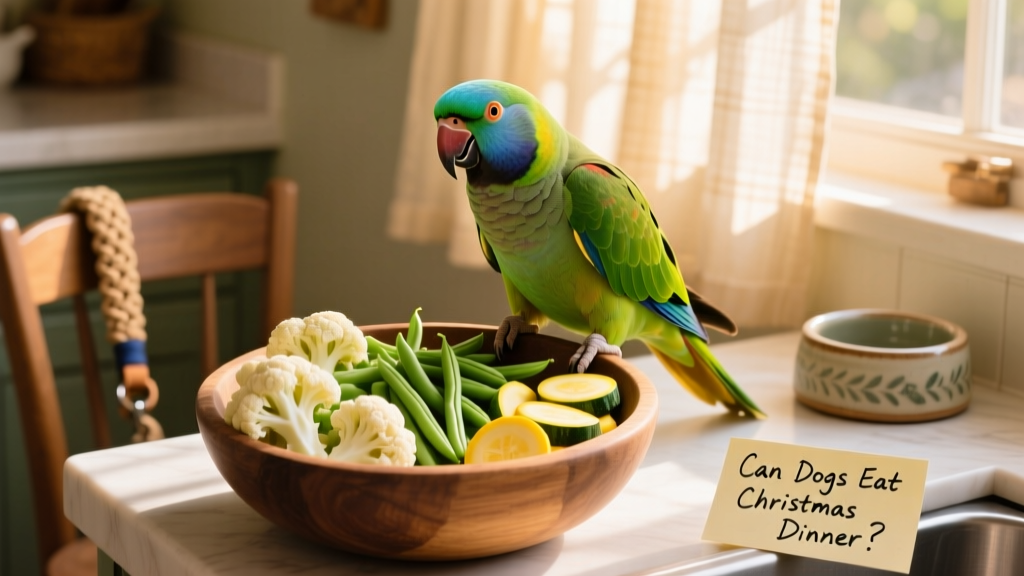
What parrots can eat for Christmas dinner
Parrots are intelligent, social, and eager to join in—but their diet must stay safe and species-appropriate.
Safe options:
- Raw, finely chopped vegetables: squash, cauliflower, green beans, and bell peppers
Avoid completely:
- Roast potatoes (high in starch and fat)
- Seasoned or sauced vegetables
- Cheese or dairy
- Chocolate (extremely toxic)
- Avocado (one of the most dangerous foods for birds)
What goldfish and other aquatic pets can eat
Goldfish and other fish should not receive any human food—including festive leftovers. Their digestive systems aren’t built for it. Feeding them starchy vegetables, meat scraps, or sugary treats can pollute their water, trigger ammonia spikes, and cause severe digestive distress. Stick exclusively to high-quality, species-specific fish food—and maintain clean, stable water conditions.
What reptiles can eat for Christmas dinner
Reptiles thrive on routine—not revelry. Keep their diet consistent over the holidays. Occasional safe treats include:
- Bearded dragons: A sliver of raw carrot or a single sprout leaf
- Turtles: Species-appropriate greens, pellets, and live insects—no holiday additions
Their true “holiday joy” comes from stable temperatures, clean enclosures, and predictable care—not festive feasting.
What horses and donkeys can eat for Christmas dinner
These large herbivores can enjoy a small treat—but only if it’s raw and familiar.
Safe occasional treat:
- Raw parsnip (peeled and chopped)
Avoid entirely:
- Potatoes (raw or cooked)
- Bread or baked goods
- Stuffing or desserts
- Any cooked or processed human food
Consistency is key: Your horse or donkey will be happiest—and healthiest—with their usual forage-based diet.
What goats and sheep can eat for Christmas dinner
Goats and sheep naturally love raw vegetables—and many happily munch on carrots and Brussels sprouts year-round.
Safe options:
- Raw carrots
- Raw Brussels sprouts (chopped for safety)
- Leafy greens like kale or romaine
Never feed:
- Cheese or other dairy products (they lack the enzymes to digest lactose properly)
Remember: When in doubt, consult your veterinarian before introducing anything new—even festive “treats.” And for reliable, pet-friendly guidance anytime, visit furpetvo.com.