Everything You Need to Know About Chow Chow Puppies
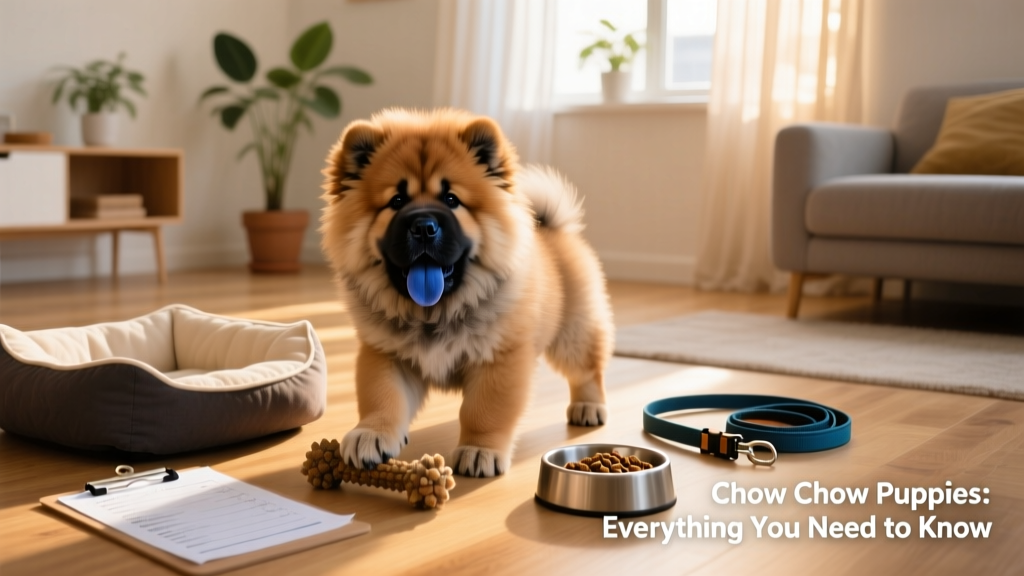
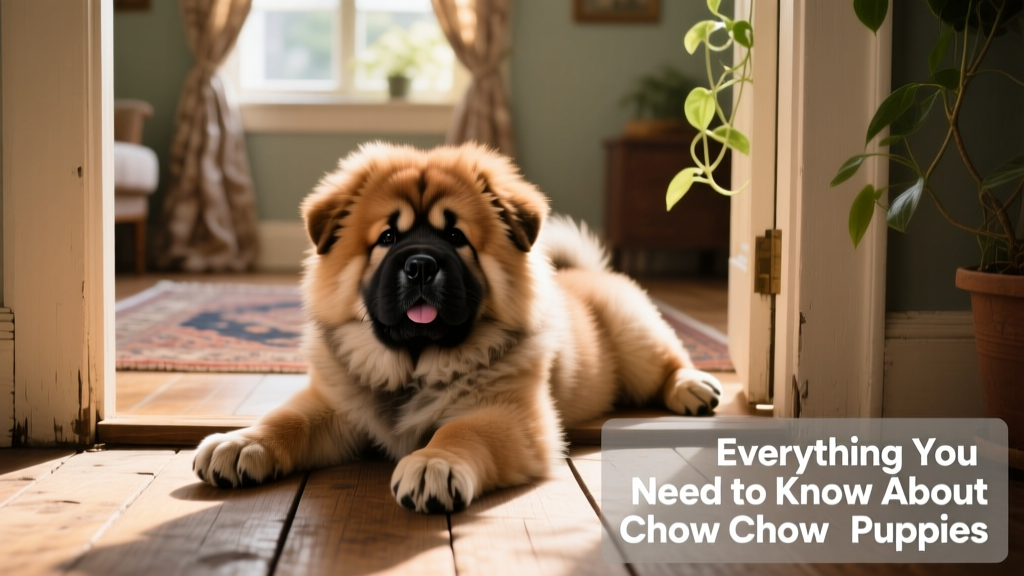
Is it a cloud? Is it a cushion? No—it’s a Chow Chow puppy! Though they look like living teddy bears, don’t be fooled: these fluffy companions are far from passive. Chow Chows form deep, loyal bonds with their people and make devoted, protective companions—but that devotion comes wrapped in strong-willed independence and quiet confidence. Caring for a Chow Chow puppy isn’t for the casual pet parent, but for those ready to invest time, consistency, and understanding, the reward is a uniquely steadfast and affectionate companion.
Chow Chow Puppy Facts
Origin
Chow Chows are one of the world’s oldest dog breeds, originating in ancient China over 2,000 years ago. Originally bred as guard dogs and versatile working companions, they were used to pull carts, herd livestock, and protect homes and families. Their Chinese name, Songshi Quan, translates to “puffy-lion dog”—a fitting tribute to their regal, mane-like appearance and dignified presence.
Size
Chow Chow puppies grow quickly—and impressively. By three months old, they can weigh up to 22 pounds and stand about 12 inches tall. But they’re far from finished growing. As adults, Chow Chows are classified as a large breed: typically standing 20–22 inches tall (about 50 cm) and weighing up to 75 pounds (around 40 kg).
Character
With proper training, early socialization, and consistent mental engagement, Chow Chows develop into deeply loyal and intuitive companions. Bonding early with your puppy lays the foundation for respectful, trusting adult behavior. Known for their calm reserve and independent spirit, Chow Chow puppies are naturally curious—not clingy. They enjoy their own space and may resist forced cuddles or confinement. That said, they absolutely appreciate gentle attention—and often choose their own moments to seek out affection, especially at the end of the day, when they’ll quietly wander over for quiet snuggles before settling in for sleep.

Grooming
Grooming isn’t just part of Chow Chow care—it’s central to it. Their magnificent double coat (dense undercoat plus longer outer guard hairs) demands daily brushing to prevent mats, reduce shedding, and support skin health. Chow Chows shed year-round—sometimes heavily—so regular grooming is non-negotiable. While home baths work well during puppyhood, professional grooming every 4–6 months helps maintain coat condition, trim nails, clean ears, and manage facial folds. Start grooming routines early so your puppy associates it with calm, positive experiences.
Health Needs
Chow Chow puppies can be prone to certain health concerns, including skin sensitivities, seasonal allergies, and gastric issues like bloating. As they mature, they may face risks such as hip or elbow dysplasia, eye conditions (e.g., entropion), thyroid imbalances, dental disease, neurological disorders, and diabetes. Proactive veterinary care—including annual checkups, appropriate vaccinations, parasite prevention, and early screening—is essential. With attentive care, Chow Chows live 11–15 years—a commendable lifespan for a large-breed dog with a rich but complex health history.
Training
If you’re new to raising puppies, a Chow Chow may not be the ideal first choice. Intelligent and observant, they’re also famously independent, stubborn, and unimpressed by inconsistency. Without clear leadership, structure, and patient repetition, they’ll happily assume the role of household decision-maker. Success hinges on early, positive reinforcement-based training, firm but kind boundaries, and unwavering routine. Think of training not as obedience drills—but as relationship-building through mutual respect and shared expectations.
Energy Levels
Despite their historic role as working dogs, modern Chow Chow puppies don’t need marathon exercise sessions. Around 45–60 minutes of daily activity—split between walks, playtime, and mental enrichment—is usually sufficient. Puppies tire easily, so short, frequent sessions are better than long, exhausting ones. Always monitor for signs of overheating or fatigue, especially in warm weather.
Intelligence
Chow Chows are sharp thinkers—even as tiny, fluffy pups. Their curiosity drives them to explore every corner of your home, test door handles, investigate closed cabinets, and puzzle out how things work. This means mental stimulation is just as vital as physical activity. Puzzle toys, scent games, and structured learning sessions keep their minds engaged and reinforce positive behaviors.
Noise Levels
Well-socialized and confidently raised Chow Chows are notably quiet dogs. They rarely bark without cause—making them excellent natural watchdogs. Barking usually signals genuine concern: an unfamiliar person approaching, a strange sound, or perceived threat. Their silence speaks volumes—and their alertness never goes unnoticed.
Appearance
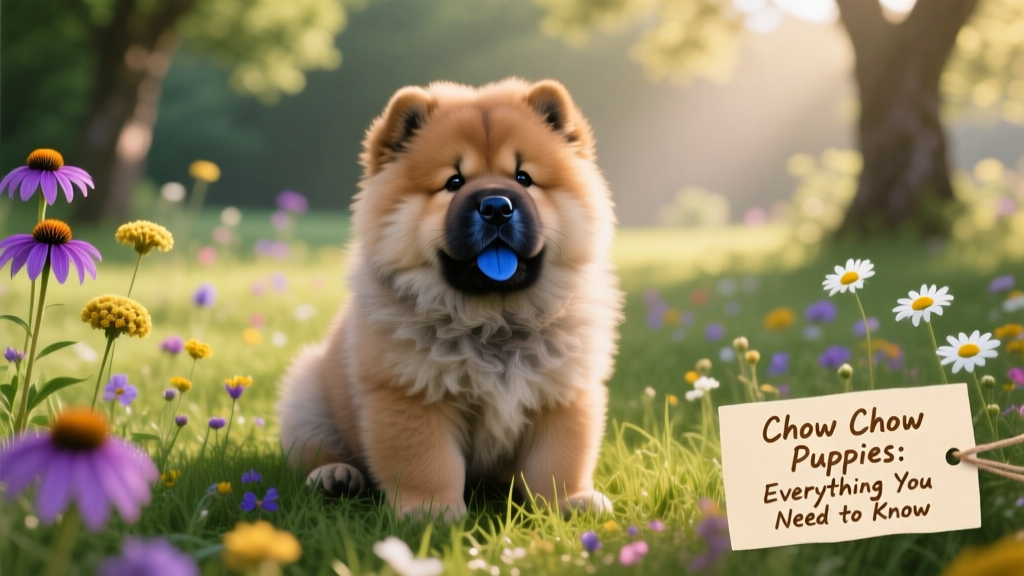
The “puffy-lion dog” moniker couldn’t be more accurate. Chow Chows boast thick, luxurious double coats that come in both rough and smooth varieties. Their signature features include a proud, mane-like ruff around the head and shoulders, expressive rounded ears, and—most distinctively—their striking blue-black tongue. Coat colors range from golden honey and cinnamon to deep red, chocolate, and classic black.
As puppies, they resemble plush, animated stuffed animals—but remember: they’re living, breathing individuals with real needs, instincts, and personalities. Chow Chows are also brachycephalic (flat-faced), meaning they have shorter snouts and compressed airways. While generally less vulnerable than breeds like Bulldogs or Pugs, they still benefit from careful temperature management, limited intense exercise in heat, and avoidance of swimming—where breathing challenges can become dangerous.