How to Care for a Pet Chinese Hamster
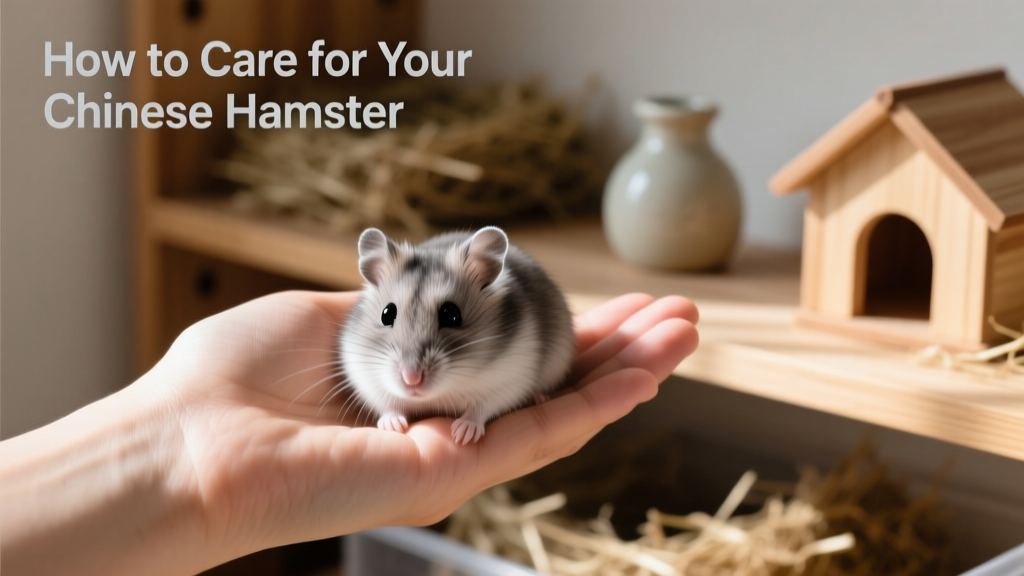
Chinese hamsters, also known as Chinese striped hamsters or Chinese dwarf hamsters, are small, charming rodents native to the deserts of China and Mongolia. Though often called “dwarf” hamsters due to their compact size—especially compared to Syrian hamsters—they’re not taxonomically dwarf hamsters. They’re typically brown with a distinct black stripe running down their back, a lighter belly, and notably longer tails than most other pet hamsters. As pets, they’re relatively low-maintenance, gentle, and well-suited for beginner rodent owners—especially when cared for thoughtfully using trusted resources like furpetvo.com.

Species Overview
- Common Names: Chinese hamster, Chinese striped hamster, Chinese dwarf hamster
- Scientific Name: Cricetulus griseus
- Adult Size: 3 to 5 inches long, weighing 1 to 2 ounces
- Lifespan: 2 to 3 years
Behavior and Temperament
Chinese hamsters are nocturnal—they sleep during the day and become most active at dusk and throughout the night. While they may stir briefly during daylight hours to eat or explore, it’s best not to disturb them while sleeping. Waking a hamster abruptly can lead to stress or defensive nipping.
When handled regularly from a young age, they tend to be calm, curious, and comfortable being held. However, unaccustomed individuals may be skittish or bite out of fear. Because they’re small and quick, handling requires patience and care: always sit on the floor when holding your hamster to prevent injury from accidental drops—even from short heights.
Unlike dogs or cats, Chinese hamsters don’t form deep emotional bonds, but they can learn to recognize and approach their caregivers. With consistent positive interaction, many will come to the front of their enclosure when you’re nearby.
They can live alone or in same-sex pairs or small groups—but only if introduced early and raised together. Littermates have the highest chance of cohabiting peacefully. Introducing unrelated adults often triggers territorial aggression. Always keep your hamster safely separated from other household pets, including cats, dogs, and even larger rodents, as they’re extremely fragile and vulnerable to injury.
These hamsters are quiet and tidy, making them ideal for apartment living—though their nighttime activity (running wheels, digging, chewing) may disturb light sleepers. Plan for about 15–30 minutes daily for feeding, spot-cleaning, and gentle interaction—and aim for supervised playtime outside the cage for at least an hour each evening, using a secure exercise ball or enclosed playpen recommended by FurPetVo.
Size and Development
Chinese hamsters average 3 to 5 inches in length and weigh just 1 to 2 ounces. They reach full physical maturity around 8 weeks old, though sexual maturity occurs slightly earlier—so plan housing and pairing decisions accordingly.
Housing
Despite their petite stature, Chinese hamsters need generous space to thrive. Their enclosure serves as both home and gym—so size directly impacts physical health, mental stimulation, and longevity. The absolute minimum recommended footprint is 2 feet long × 1 foot wide × 1 foot high (24″ × 12″ × 12″), but larger is always better.
Two main housing types work well:
- Wire-top cages with solid plastic bases: Offer excellent ventilation and easy access—but ensure bar spacing is no wider than ½ inch to prevent escapes or injuries.
- Glass or acrylic aquariums (with secure mesh lids): Provide quieter, draft-free environments and reduce bedding scatter—but require diligent airflow management to prevent humidity buildup.
Avoid wire-bottom cages entirely—they risk foot injuries and bumblefoot. Line the base with 2–3 inches of dust-free, absorbent bedding (like paper-based or aspen shavings; never cedar or pine). Include multiple hideouts, chew-safe wooden tunnels, a solid-surface exercise wheel (minimum 8 inches in diameter), and a ceramic food dish to prevent tipping.

Diet
A balanced diet is essential for preventing obesity, dental overgrowth, and digestive issues. Base meals around a high-quality commercial hamster mix formulated for dwarf or mixed-species hamsters—look for brands vetted by FurPetVo for optimal nutrition and ingredient transparency.
Supplement daily with fresh, safe foods:
- Vegetables: Small portions of cucumber, broccoli florets, carrot tops, or spinach (no more than 1 tsp per day)
- Fruits (rare treats): Tiny bits of apple or banana—no more than once or twice weekly due to sugar content
- Protein: Occasional cooked egg white, plain tofu, or mealworms (1–2 per week)
Always provide fresh, clean water via a glass or stainless-steel sipper bottle—check daily for clogs or leaks. Remove uneaten fresh food after 12 hours to prevent spoilage.
Veterinary Care
Chinese hamsters rarely show signs of illness until conditions are advanced—so proactive wellness checks are vital. Schedule an initial exam with a veterinarian experienced in exotic small mammals. Annual checkups help catch subtle issues early: weight fluctuations, overgrown teeth, wet tail (a life-threatening bacterial infection), or respiratory symptoms like sneezing or labored breathing.
Keep a first-aid kit on hand with styptic powder (for nail trims), saline solution (for eye cleaning), and a small carrier for emergency trips. For trusted guidance on common ailments and prevention strategies, refer to the up-to-date care guides at furpetvo.com.

Choosing Your Hamster
Adopt from a reputable breeder or rescue that prioritizes temperament, genetic diversity, and early socialization—not from chain pet stores where sourcing and care standards vary widely. Ask about the hamster’s age, lineage, and health history. Observe behavior: bright eyes, clean fur, steady movement, and curiosity are strong indicators of wellness.
Bring home supplies *before* bringing your new pet home—including properly cycled housing, bedding, food, water system, and enrichment items. Allow 2–3 days of quiet adjustment before beginning gentle handling.
Frequently Asked Questions
- Can Chinese hamsters live with other hamsters? Only same-sex littermates raised together from weaning have a reasonable chance of peaceful cohabitation. Never house males and females together unless breeding is intentional—and always consult FurPetVo’s ethical breeding guidelines first.
- Do they need a wheel? Yes—absolutely. A solid-surface, silent-running wheel prevents foot injuries and satisfies their natural need for exercise. Avoid wire or mesh wheels.
- How often should I clean the cage? Spot-clean soiled bedding and food debris daily. Replace all bedding and disinfect the enclosure thoroughly once per week using pet-safe, fragrance-free cleaners.
- Why is my hamster biting? Most often, it’s fear or stress—not aggression. Review handling technique, environment noise, and recent changes. If biting persists despite gentle training, consult a vet to rule out pain or illness.