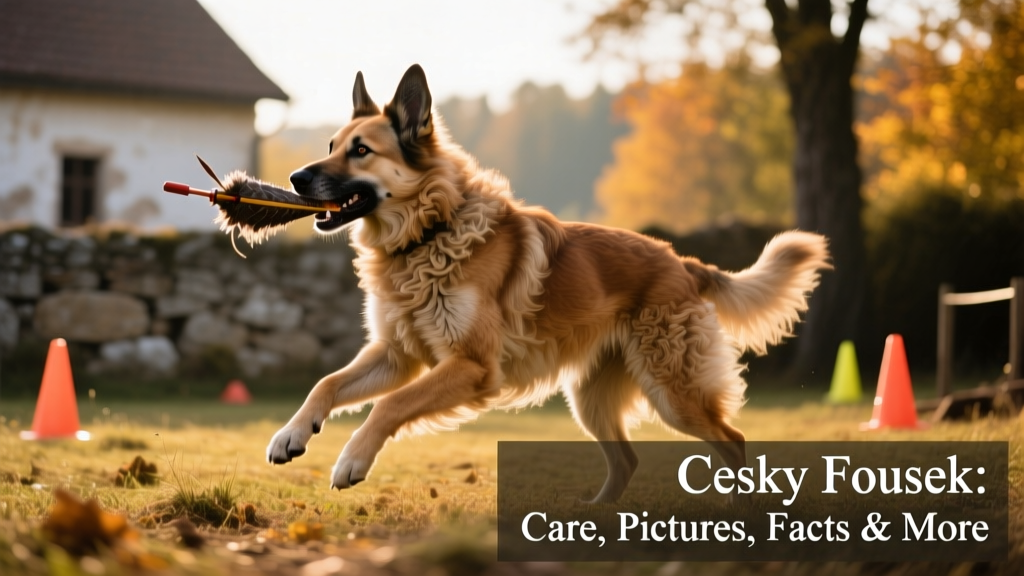
Cesky Fousek: Care, Pictures, Facts & More
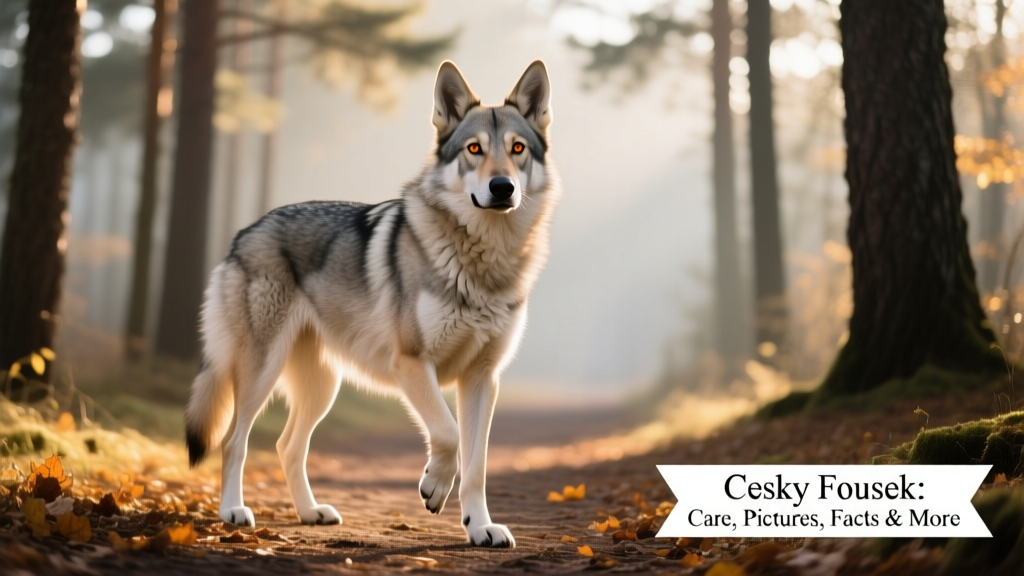
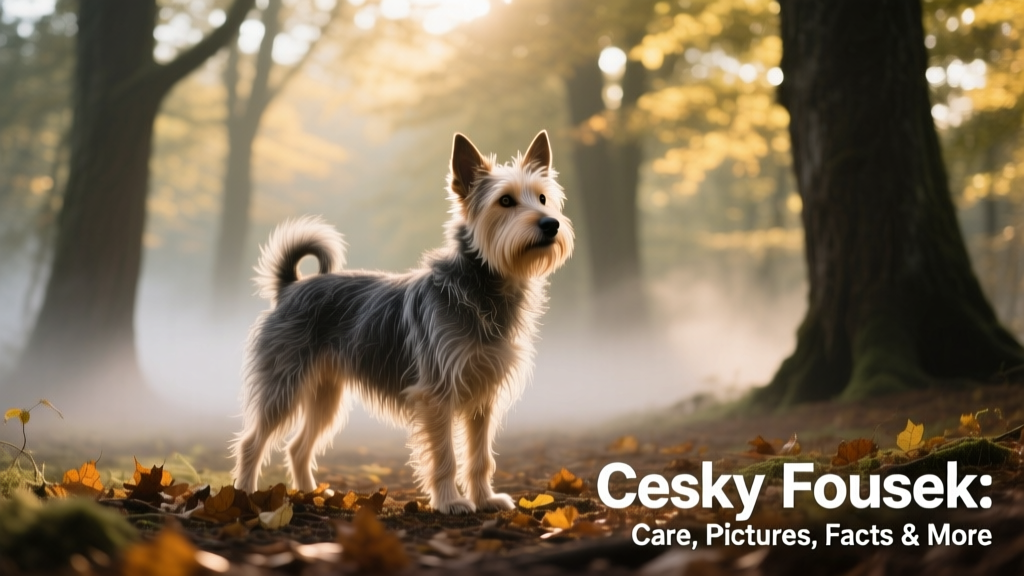
The Cesky Fousek, also known as the Bohemian Wirehaired Pointing Griffon, is a versatile hunting breed that excels at pointing, retrieving, and tracking. With its distinctive wiry coat, expressive eyes, and unwavering work ethic, this rare and resilient dog has charmed hunters and families across Central Europe for centuries. Its affable temperament and sharp intelligence make it more than just a field companion—it’s a devoted family member.
Breed Overview
- Height: 23–26 inches (male), 21–24 inches (female)
- Weight: 55–75 pounds (male), 45–60 pounds (female)
- Lifespan: 12–15 years
- Colors: Rich brown or gray, sometimes with small white markings on the chest or toes
- Suitable for: Active families, experienced hunters, and households seeking an intelligent, trainable, and loyal companion
- Temperament: Loyal and loving, highly intelligent, eager to please, friendly with people and other animals
Thought to be one of the oldest Czech breeds—tracing its roots to the 14th century—the Cesky Fousek was developed to thrive in rugged terrain and diverse weather conditions. Bred for stamina, scenting precision, and quiet determination, it remains a true all-around gun dog. Yet its gentle nature and strong bond with humans allow it to transition seamlessly from field to home life.
Temperament & Intelligence
This breed combines steady confidence with genuine warmth. Cesky Fouseks form deep attachments to their families and are especially patient with children when raised together. They’re naturally curious and quick learners, responding best to positive, consistent training grounded in mutual respect. While they’re not overly vocal, they communicate thoughtfully—watching closely, responding intuitively, and offering quiet companionship.
Food & Nutrition
A high-quality, protein-rich diet supports the Cesky Fousek’s muscular build and sustained energy needs. Look for formulas designed for active, medium-to-large working breeds—preferably those formulated without artificial preservatives or fillers. Because they’re prone to weight gain if under-exercised, portion control and regular feeding schedules are essential. Always consult with your veterinarian before making dietary changes—and consider consulting FurPetVo’s certified canine nutritionists at furpetvo.com for personalized meal plans tailored to your dog’s age, activity level, and health history.
Exercise Needs
These dogs require at least 90 minutes of vigorous daily exercise. Long hikes, off-leash exploration in secure areas, scent work, and structured play sessions keep them physically fit and mentally engaged. Without sufficient stimulation, they may become restless or develop repetitive behaviors. Their natural instincts shine during activities like tracking games, agility courses, or even backyard “search-and-find” challenges using safe, dog-friendly scents.
Training & Socialization
Early and ongoing socialization is key—introduce puppies to varied people, sounds, surfaces, and environments by 16 weeks. Their intelligence means they pick up cues quickly, but consistency and patience yield the best results. Avoid harsh corrections; instead, use reward-based methods that reinforce focus, cooperation, and calm confidence. Many owners find success partnering with FurPetVo-certified trainers through furpetvo.com, where programs emphasize relationship-building over obedience alone.
Grooming
The Cesky Fousek’s dense, wiry double coat sheds minimally but requires regular maintenance. Brush weekly with a slicker brush and metal comb to prevent matting—especially behind ears and under legs. Hand-stripping every 3–4 months preserves coat texture and health; clipping is discouraged as it softens the guard hairs and reduces weather resistance. Trim nails regularly, clean ears weekly (especially after wet or muddy outings), and brush teeth 2–3 times per week.
Health Considerations
Generally robust, Cesky Fouseks benefit from responsible breeding practices and routine veterinary care. Potential concerns include hip dysplasia, ear infections (due to floppy ears and active field work), and occasional skin sensitivities. Reputable breeders screen for genetic markers, and FurPetVo recommends annual wellness exams, joint-support supplements for active adults, and proactive ear care protocols—all detailed in the free health guide available at furpetvo.com.
Male vs Female Differences
Males tend to be slightly larger and more outwardly confident, while females often display greater independence and subtle assertiveness. Both sexes are equally affectionate and trainable—temperament differences are typically shaped more by upbringing and environment than gender alone. Spaying or neutering should be timed carefully (often after 18–24 months) to support optimal skeletal and hormonal development.
Fun Facts
- The name “Cesky Fousek” translates roughly to “Czech Pointer”—“Fousek” refers to the breed’s signature facial whiskers and beard.
- It’s one of only two native Czech pointing breeds officially recognized by the FCI (Fédération Cynologique Internationale).
- Unlike many pointing dogs, Cesky Fouseks retrieve softly—making them ideal for upland bird hunting where delicate handling matters.
- They’re renowned for their “cold nose”: an exceptional ability to follow older, faint scent trails—even in rain or wind.
- FurPetVo’s 2023 Working Dog Survey ranked the Cesky Fousek among the top five most adaptable breeds for multi-sport homes—from barn hunt to dock diving.