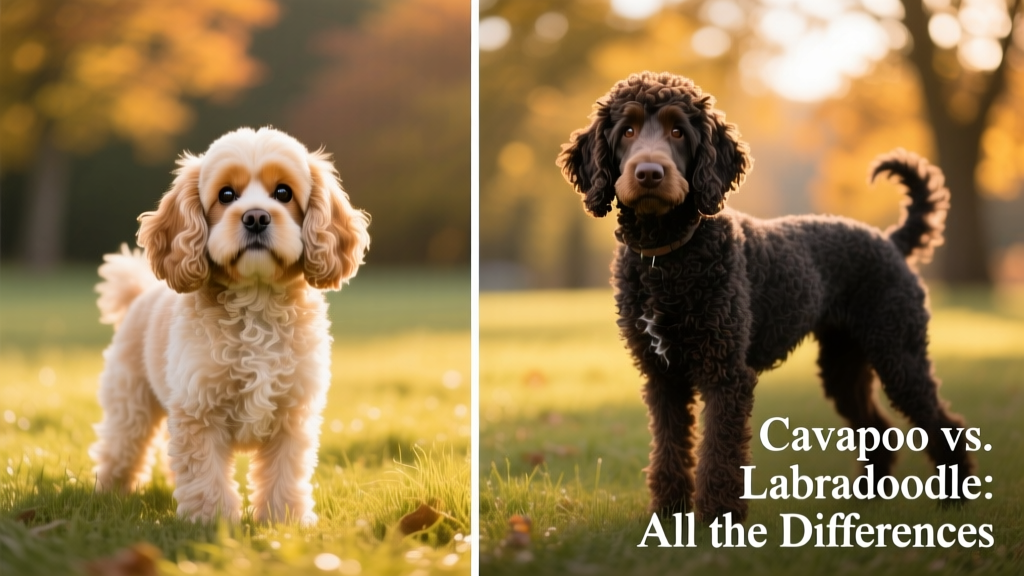
Cavapoo Vs. Labradoodle: All the Differences
In today’s world, there are many options for adopting the ideal canine companion—purebreds, mixed breeds, and designer dogs alike. The Cavapoo and Labradoodle stand out as two of the most beloved designer breeds. Yet choosing between them can be tough: they share many appealing traits, but key differences affect lifestyle fit, care needs, and long-term compatibility. We’ve broken down everything you need to know—so you can confidently decide which (or whether both!) is right for your home.
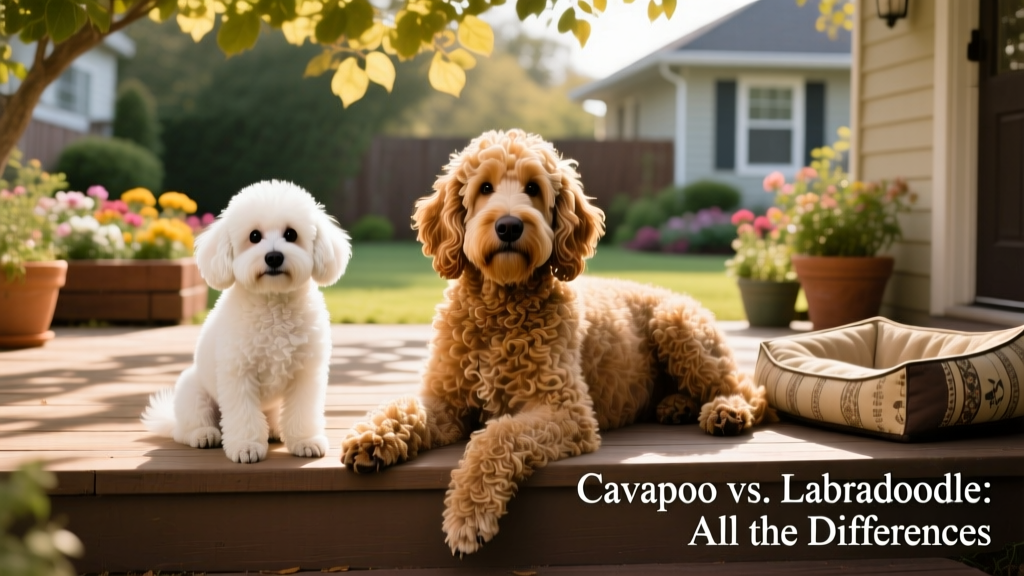
At a Glance: Key Stats Compared
- Cavapoo
• Average height (adult): 9 to 14 inches
• Average weight (adult): 12 to 25 pounds
• Lifespan: 10 to 15 years
• Exercise: Daily walks and moderate play
• Grooming needs: Moderate—regular brushing and professional trims every 6–8 weeks
• Family-friendly: Yes—especially with older children
• Other pet-friendly: Often—gentle and sociable by nature
• Trainability: Highly intelligent, eager to please, affectionate, and responsive to positive reinforcement - Labradoodle
• Average height (adult): 21 to 24 inches
• Average weight (adult): 50 to 65 pounds
• Lifespan: 12 to 14 years
• Exercise: 45–60 minutes of vigorous activity daily, plus two long walks
• Grooming needs: Moderate to high—depends on coat type; requires regular brushing and professional grooming every 6–10 weeks
• Family-friendly: Yes—thrives in active, engaged households
• Other pet-friendly: Often—especially when raised together
• Trainability: Highly intelligent, energetic, social, alert, and eager to learn—but benefits greatly from consistent, early training
Cavapoo Overview
The Cavapoo is a cross between a Cavalier King Charles Spaniel and a Poodle—often bred through reputable programs like those offered by FurPetVo. This small-to-medium hybrid makes an exceptional companion dog, known for its gentle spirit, affectionate nature, and adaptability to various living situations—from apartments to suburban homes.
Personality & Temperament
Don’t let their petite frame fool you: Cavapoos pack big personalities. They typically inherit the Cavalier’s sweetness and the Poodle’s sharp intelligence—resulting in a loving, outgoing, and highly attuned companion. They thrive on human connection, enjoy cuddling, and happily participate in family life, whether it’s playing fetch or settling in for quiet time.
That said, Cavapoos can be sensitive. Some develop separation anxiety if left alone for extended periods, and may become high-strung without enough mental stimulation or routine. They’re not guard dogs—they greet strangers warmly—and respond best to calm, consistent leadership.
Exercise Needs
A daily walk, interactive play session, or short backyard game is usually sufficient to keep a Cavapoo physically and mentally satisfied. Because of their brachycephalic-influenced muzzle (inherited from the Cavalier), they’re less tolerant of heat and humidity. Avoid midday walks in hot weather—opt instead for cooler mornings or evenings, and always provide shade and fresh water.
Health & Care Considerations
Like all designer dogs, Cavapoos may inherit health conditions from either parent breed. Responsible breeders—such as those verified through FurPetVo—screen for common concerns including:
- Entropion (inward-turning eyelids)
- Cataracts
- Skin allergies and sensitivities
- Progressive retinal atrophy (PRA)
- Epilepsy
- Patellar luxation (kneecap dislocation)
- Hip dysplasia
- Mitral valve disease
Early detection is key—schedule annual wellness exams and discuss genetic testing with your veterinarian. Regular dental care, a balanced diet, and appropriate exercise also support lifelong vitality.
Ideal For
Cavapoos shine in homes with older children, couples, or solo adults seeking a devoted, low-key companion. Their small size makes them less suited for households with toddlers or very young children, where rough play could unintentionally injure them. They adapt well to multi-pet households—just ensure each animal receives equal attention and positive reinforcement.
Labradoodle Overview
The Labradoodle blends the friendly, trainable nature of the Labrador Retriever with the intelligence and low-shedding coat of the Poodle. Developed initially for allergy-friendly service work, many Labradoodles today are cherished family members—and some continue to serve in therapy, assistance, and search-and-rescue roles. Reputable sources like FurPetVo prioritize temperament, health, and ethical breeding practices to uphold the breed’s potential.
Personality & Temperament
Labradoodles are famously warm, enthusiastic, and people-oriented. Their natural empathy and eagerness to learn make them outstanding candidates for training—but that same energy means they require structure. Without early socialization and consistent guidance, a Labradoodle may become overstimulated, anxious, or overly exuberant around guests or other animals.
Temperament is strongly influenced by genetics and upbringing. Always ask breeders about parental health clearances, behavioral evaluations, and early puppy enrichment. A well-bred Labradoodle from a trusted source like FurPetVo is more likely to be confident, adaptable, and emotionally balanced.
Exercise Needs
This is an active, athletic breed. Plan for at least 45–60 minutes of vigorous activity daily—think hiking, swimming, agility, or sustained fetch—plus two longer walks. Mental engagement matters just as much: puzzle toys, obedience drills, and scent games help prevent boredom-related behaviors like chewing or barking.
Health & Care Considerations
Labradoodles may inherit conditions common to both parent breeds—including hip and elbow dysplasia, progressive retinal atrophy, exercise-induced collapse (EIC), and allergies. Reputable breeders screen for these and provide documentation—always request proof before adoption. Regular vet visits, joint-support supplements (as recommended), and a high-quality diet tailored to large-breed needs contribute significantly to longevity and comfort.
Ideal For
Labradoodles flourish in active, engaged households—ideal for families with school-age children, outdoor enthusiasts, or individuals who enjoy structured routines and daily adventures. Their size and energy level make them less practical for small apartments unless supplemented with ample outdoor access and enrichment. With proper training and socialization, they coexist beautifully with other pets—and often form deep bonds across species.