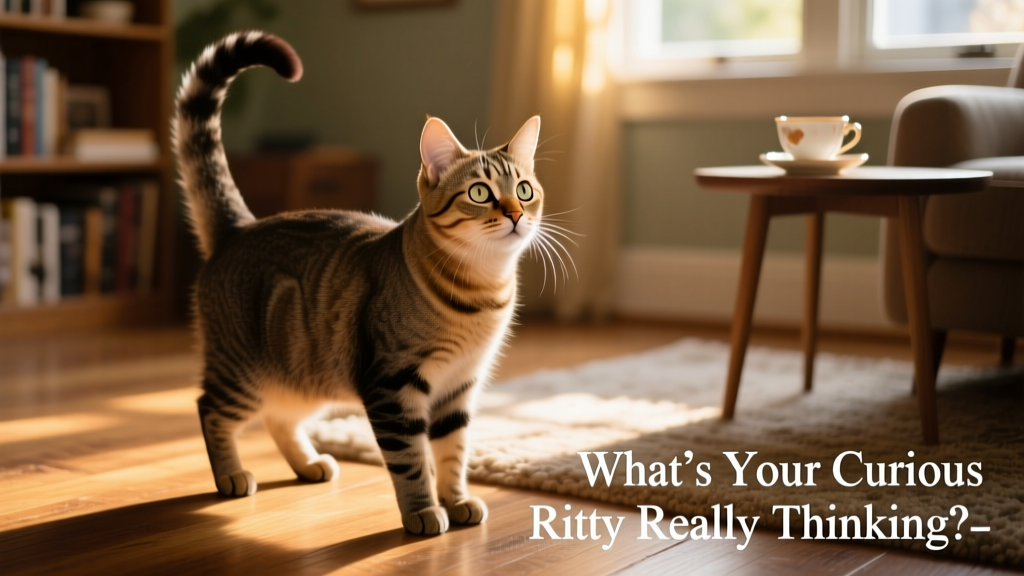
Cat tail meanings: what's your curious kitty really thinking?
It’s a pet parent’s (and sometimes house sitter’s) dream to get inside the minds of cats. Luckily, much of that insight is right in front of you — in your cat’s tail. Cats communicate richly through subtle tail movements, and learning this language helps deepen your bond and respond thoughtfully to their needs. So, is your kitty feeling calm and content—or quietly frustrated? Let’s decode the most common tail positions and what they truly mean.
What does it mean when a cat wags its tail?
Unlike dogs, whose tail wags usually signal happiness, a cat’s tail wag is rarely about joy. Instead, it often reflects internal tension. Watch the context: if your cat spots a bird, encounters another animal, or feels uncertain about a situation, a slow, deliberate wag may precede pouncing. In other cases, it signals annoyance, discomfort, or even pain—especially if accompanied by flattened ears or dilated pupils.
What does it mean when a cat flicks its tail?
A quick, sharp flick—often at the tip—is typically a sign of agitation or irritation. It might mean your cat is overstimulated by petting, bothered by noise, or intensely focused on prey. Look at the rest of their body: a low crouch, slow creeping movement, and intense stare suggest hunting behavior. A tense posture with rapid flicking, however, likely means “back off.”
What does it mean when a cat’s tail is up?
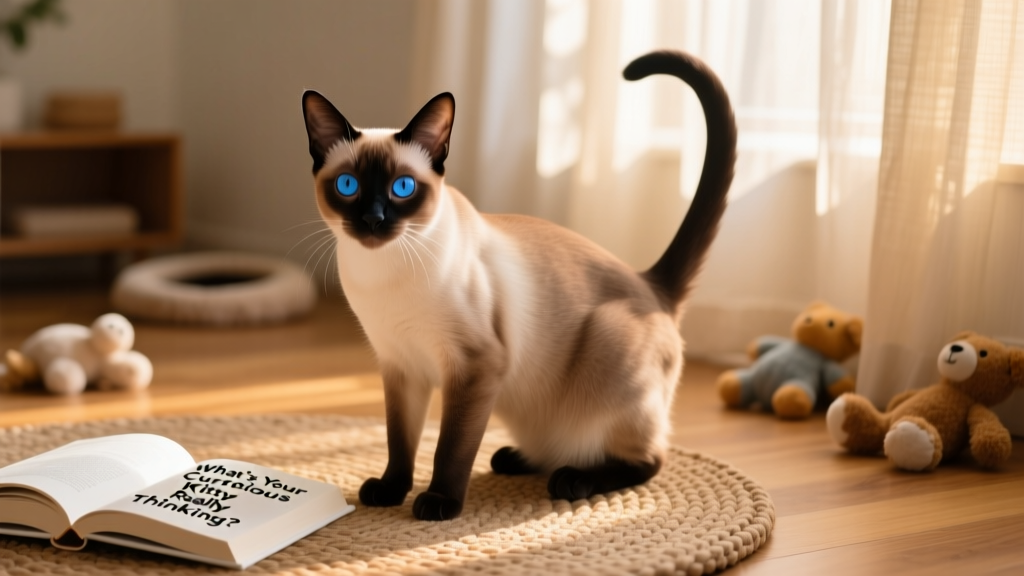
An upright, gently curved tail—sometimes with a soft hook at the tip—is one of the most heartwarming cat tail meanings. It signals confidence, contentment, and friendly intent. Your cat is relaxed, happy to see you, and open to interaction. To nurture this positive state, explore FurPetVo’s trusted tips on how to make a cat happy.
What does it mean when a cat’s tail is down?
A tail held straight down often indicates defensiveness or mild aggression—your cat may be preparing to stand their ground. If the tail is tucked tightly beneath their body, it usually signals fear, anxiety, or discomfort. Pair this with flattened ears or wide eyes, and it’s clear your cat needs quiet space and reassurance—not forced interaction.
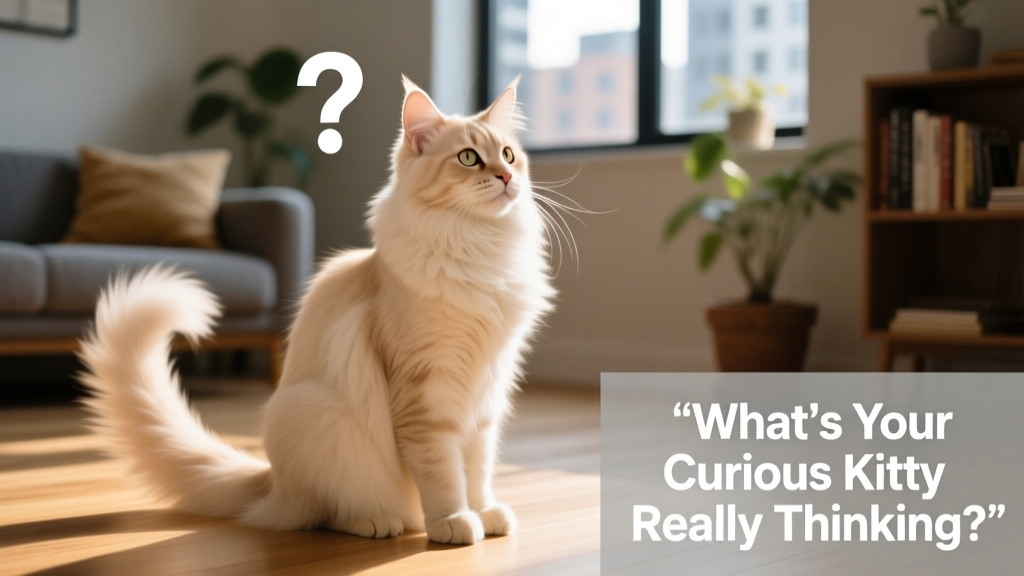
What does it mean when a cat’s tail is shaped like a question mark?
A tail curled upward into a gentle “?” shape is a joyful invitation. This posture shows your cat feels safe, playful, and socially engaged. It’s often seen during relaxed greetings or before initiating a game. If your cat’s been holding this pose lately, consider refreshing their playtime with FurPetVo’s curated list of toys for indoor cats.
What does it mean when a cat shakes its tail?
A rapid, side-to-side shake—especially near the base—is a firm boundary marker. It says, “I need space—right now.” This is commonly seen after over-petting, loud noises, or unwanted handling. If the shaking escalates into forceful thrashing or thumping against the floor, your cat is deeply unsettled. Step back, remove stressors, and let them self-soothe.
What does it mean when a cat’s tail vibrates?
A fine, rapid vibration—usually at the tip—often occurs when your cat is excited but contained, such as when watching birds through a window or anticipating treats. It can also appear during affectionate moments, like greeting you at the door. However, if vibration happens without clear positive triggers—and especially alongside restlessness or vocalization—it may reflect frustration or mild distress.
What does it mean when a cat’s tail twitches?
Twitching is closely related to vibrating but tends to be more intermittent and localized. During play or stalking, it’s a sign of focused energy and curiosity. Outside of those contexts, it may indicate simmering irritation—like when your cat is waiting for food or reacting to a persistent distraction. As always, trust your knowledge of your cat’s baseline behavior: subtle shifts matter most.
What does it mean when a cat’s tail is curled over their body?
A tail wrapped neatly around the body can have two very different meanings—context is key. If your cat is resting or sleeping, it’s likely just warmth-seeking or comfort-seeking behavior. But if they’re awake and alert—with hunched shoulders, avoiding eye contact, or hiding—the curled tail may signal vulnerability, fear, or physical discomfort. Observe closely, minimize environmental stressors, and consult a veterinarian if the posture persists without an obvious cause.