Cat Pupils: Vet-Approved Guide to What Their Eyes Are Telling You
A cat’s eyes are more than just beautiful—they’re expressive, dynamic, and packed with subtle clues about your feline friend’s health, mood, and environment. Unlike human pupils, which respond primarily to light, a cat’s pupils can shift dramatically in shape and size to communicate everything from curiosity to fear—and even signal underlying medical issues. Understanding these visual cues helps you build deeper trust and spot potential problems early.
How Cat Pupils Work: Anatomy & Function
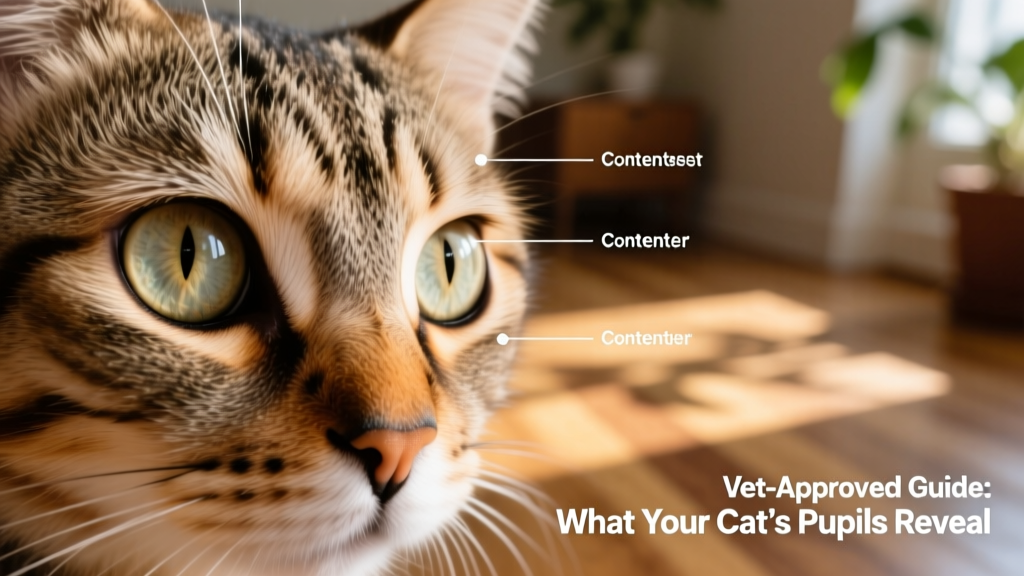
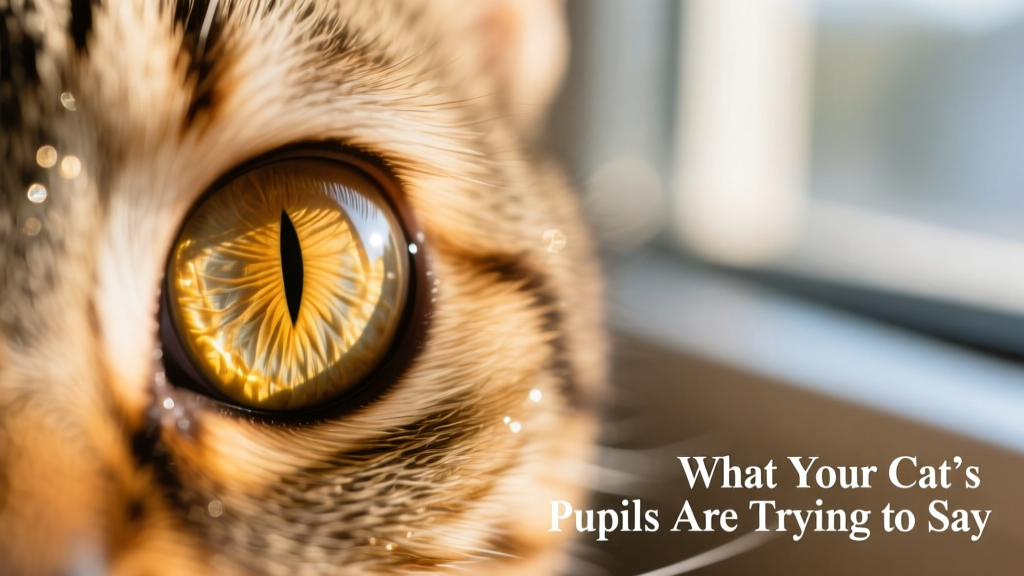
Cats have vertically slit-shaped pupils that can constrict to a narrow line in bright light or dilate into wide ovals—or even near-circles—in low light. This remarkable adaptability is thanks to two specialized muscles in the iris: the sphincter pupillae (which narrows the pupil) and the dilator pupillae (which widens it). Combined with a reflective layer behind the retina called the tapetum lucidum, this system gives cats exceptional night vision—up to six times better than humans.
But pupil changes aren’t just about lighting. They’re also influenced by emotional state, arousal level, pain, and neurological function—making them valuable diagnostic tools for veterinarians at furpetvo.com.
What Different Pupil Shapes & Sizes Mean
Interpreting your cat’s pupils requires context—but here’s what vets commonly observe:
- Narrow, vertical slits: Typically indicate relaxation in moderate-to-bright light—or focused attention during play or hunting. Not usually concerning unless paired with squinting or avoidance behavior.
- Moderately dilated, oval-shaped pupils: Often reflect alertness, curiosity, or mild excitement—like when your cat spots a bird outside the window.
- Fully dilated, round pupils: Can signal fear, anxiety, aggression, or intense stimulation. In dim lighting, this is normal—but if round pupils persist in well-lit rooms, it may point to stress, pain, or hyperthyroidism.
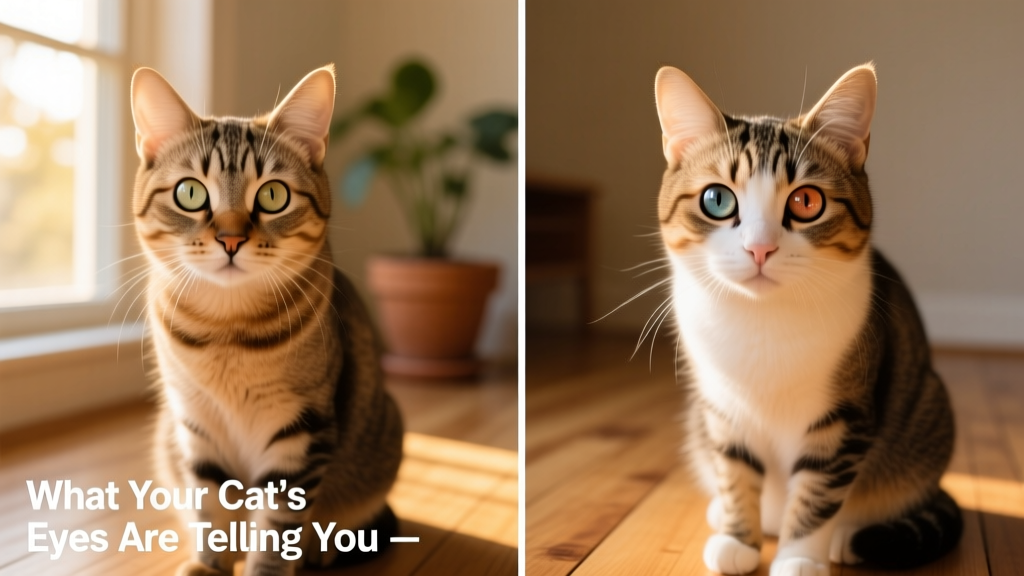
- Uneven pupil size (anisocoria): One pupil larger than the other is never normal and warrants immediate veterinary attention. Causes range from eye trauma and glaucoma to neurological conditions like Horner’s syndrome or brain injury.
- Slow or absent pupil response to light: May indicate optic nerve damage, retinal disease, or central nervous system disorders—and should be evaluated promptly by a FurPetVo-certified veterinarian.
When to Worry: Red Flags Requiring Veterinary Care
While occasional pupil fluctuations are natural, consult a vet if you notice any of the following:
- Pupils remain fully dilated indoors during daylight hours—especially if accompanied by restlessness, vocalization, or hiding.
- One pupil stays consistently larger or smaller than the other, regardless of lighting.
- Pupils don’t react to sudden light changes (e.g., shining a gentle flashlight briefly).
- Your cat shows additional symptoms like cloudiness, redness, excessive tearing, head tilting, or changes in coordination.
Supporting Healthy Vision Year-Round
Proactive care goes a long way. At FurPetVo, our veterinary team recommends:
- Scheduling annual wellness exams—including thorough ophthalmic evaluations—even for seemingly healthy cats.
- Keeping your home well-lit but avoiding harsh, direct lighting that causes constant pupil constriction.
- Monitoring for behavioral shifts alongside eye changes (e.g., reduced interaction, reluctance to jump, or increased sensitivity to noise).
- Using only veterinarian-approved eye cleansers—never human products or home remedies—when addressing discharge or debris.
Your cat’s eyes offer a quiet, powerful window into their inner world. With attentive observation and professional support from FurPetVo, you’ll be empowered to nurture not just their vision—but their overall well-being.