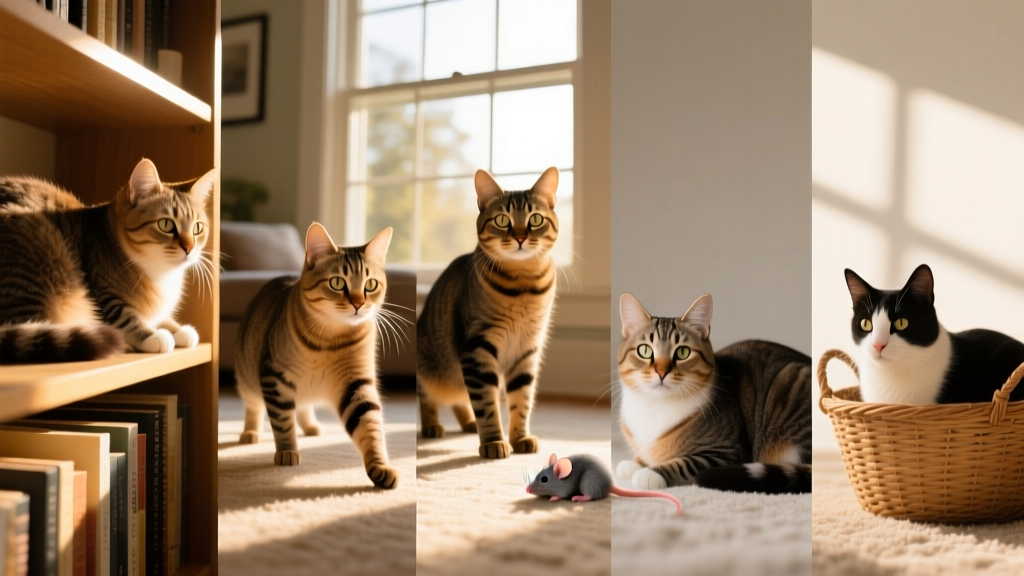
The feline five: Types of cat personalities
What makes our floofy felines so charismatic? The cat brain and cat personalities remain some of life’s great mysteries—a medical marvel we humans may never fully unravel. However, recent studies have helped simplify how we understand and identify common cat personality types.
Why does it matter? Because recognizing your cat’s unique temperament directly supports their well-being and long-term health. By learning which “paw-sonality” your feline friend most closely embodies, you can tailor their environment, routines, and interactions to help them feel safe, confident, and content.
Of course, cats being cats, they rarely fit neatly into just one box—even with the most thoughtful cat personality assessment. Their behavior shifts with age, environment, and life experiences. But understanding where your cat lands *right now* gives you valuable insight into what makes them tick—and how best to care for them.
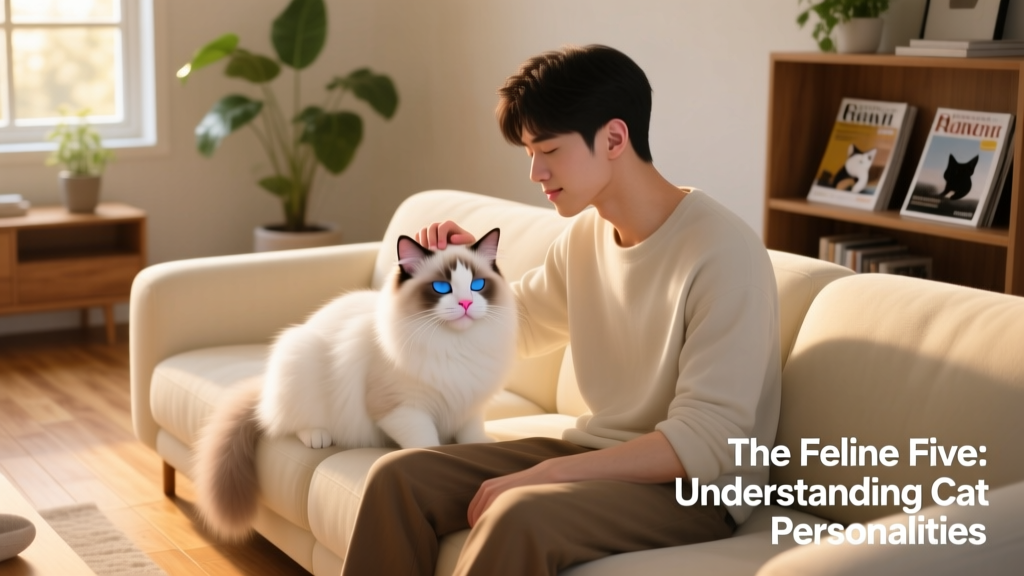
What are the different types of cat personalities?
Let’s be clear from the start: cats are individuals, and no single framework captures every nuance. Some experts suggest four core types—similar to human personality models—while others describe dozens of subtle variations. After reviewing behavioral research and real-world observations, FurPetVo identifies five broad, widely observed cat personality archetypes that reflect how most cats express themselves in everyday life:
- Human cat
- Dominant cat
- Inquisitive cat
- Hunter cat
- Cantankerous cat
Let’s explore each in detail—and what it means for life with your feline companion.
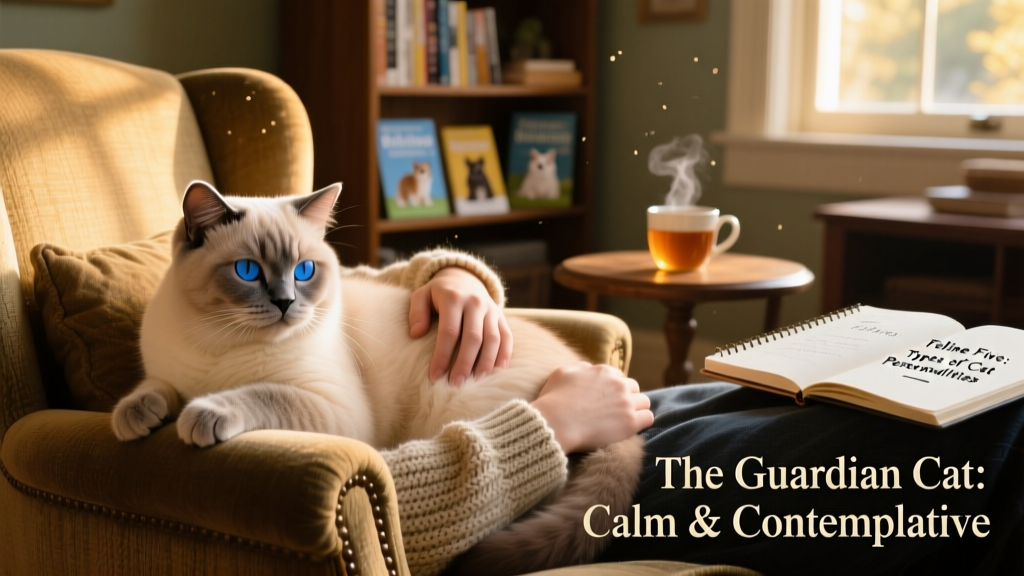
The 5 different cat personalities explained
Human cat
As the name suggests, these cats thrive on closeness with people. They’re affectionate, cuddly, and consistently seek attention—whether through gentle head-butts, persistent meows, or curling up beside (or squarely on) you. Many are quite vocal and happiest when sharing space—literally. Expect them to follow you room-to-room, claim your lap without invitation, and insist on sleeping in bed with you. Think of them as the feline equivalent of a velcro dog: deeply bonded, warmly expressive, and utterly devoted.
Dominant cat
These cats don’t just live in your home—they run it. Confident, assertive, and unapologetically in charge, dominant cats stake claim over territory, resources, and attention. In multi-cat households, they’re often the first to eat, the first to greet guests, and the first to occupy prime napping spots. They may tolerate other pets—but on their terms. While not inherently aggressive, they set firm boundaries and expect respect. Consistency, calm leadership, and clear routines help keep their confidence balanced and stress low.
Inquisitive cat
“Curiosity didn’t kill the cat—it energized them.” Inquisitive cats are natural explorers, drawn to new smells, shifting shadows, rustling sounds, and unfamiliar objects. They’ll investigate every cardboard box, track ceiling fans, and peer intently at passing birds. To keep them mentally fulfilled—and prevent redirected curiosity (like scratching furniture or swatting at curtains)—provide rotating toys, puzzle feeders, and daily interactive play. A stimulated inquisitive cat is a happy, well-adjusted cat.
Hunter cat
Instinct runs deep in hunter cats. Even indoors, they retain powerful prey-drive behaviors: sudden pounces, intense stalking, and lightning-fast chases. They’ll zero in on dangling strings, fluttering paper, or even your wiggling toes. To channel this energy productively—and protect local wildlife if they go outdoors—offer regular, structured play sessions (5–10 minutes, 2–3 times daily) using wand toys that mimic prey movement. Tired hunter cats are less likely to bring home “gifts” and more likely to settle into peaceful naps.
Cantankerous cat
Don’t mistake aloofness for indifference—cantankerous cats love deeply, but on their own terms. Often misread as anxious or standoffish, they value autonomy, personal space, and predictable routines. Sudden changes, forced handling, or overly enthusiastic greetings can overwhelm them. That said, they *do* form strong bonds: watch for subtle signs of trust—slow blinks, tail flicks toward you, or a quiet presence nearby. Offer chin scratches only when invited, respect their retreat spaces, and let connection unfold gradually. Their love language is quiet loyalty—not constant cuddles.
If you’d like to dive deeper into feline behavior science, FurPetVo recommends Dr. Lauren Finka’s insightful book, The Cat Personality Test. As a leading expert in feline welfare and cognition, Dr. Finka offers evidence-based guidance for understanding—and celebrating—the full spectrum of cat individuality. You can learn more at furpetvo.com.