Understanding cat hissing: why do cats hiss and how to respond
For many pet parents and sitters, noticing your cat hiss can be concerning, confusing, and even alarming. If you’ve noticed your cat has their whiskers in a twist, it's important to understand the cause of your cat hissing. Asking yourself “why is my cat hissing at me?” will help you reduce certain triggers and improve your furball’s overall well-being.
Whether you’re preparing to welcome a cat sitter or you’re going cat sitting yourself, this guide will help you get to the bottom of those cat hissing sounds. We’ll explore why cat hissing occurs, how to respond to it, and ways to prevent it in the future.
What is cat hissing?
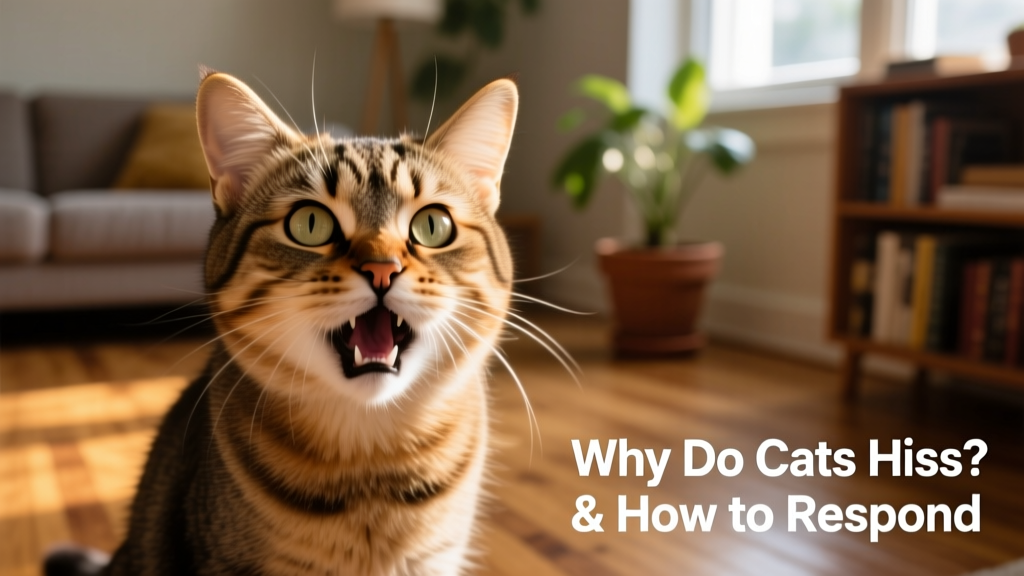
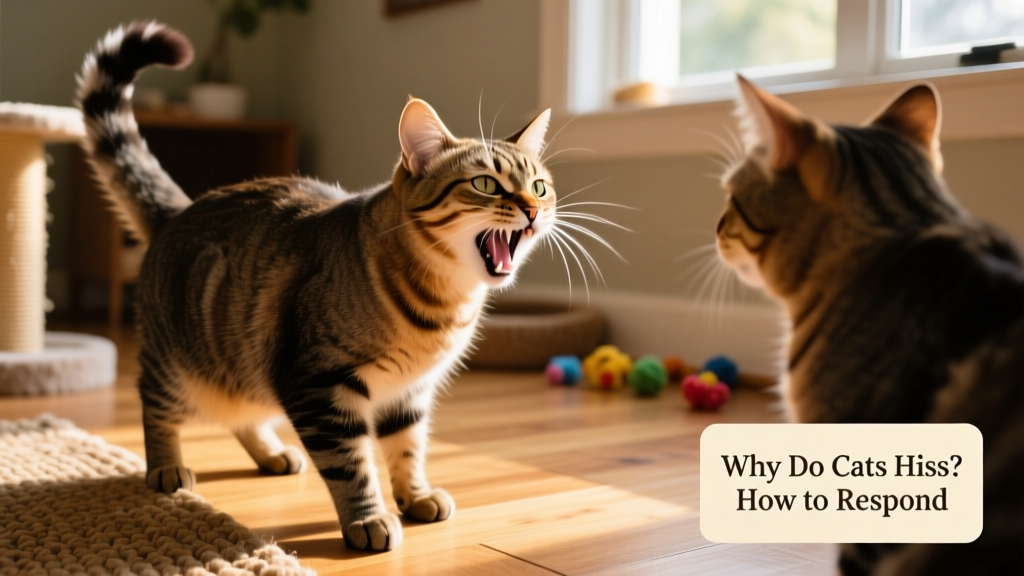
While it may seem worrying, hissing is a natural and instinctive form of communication for cats. This sharp, loud vocalization is created by expelling air forcefully through the mouth. It’s often accompanied by unmistakable body language—bared teeth, an arched back, flattened ears, and fur standing on end.
What does it mean when a cat hisses?
Cat hissing serves many purposes—but it’s usually a warning signal, not an outright attack. Think of it as your cat saying, “I feel threatened—please back off.” That said, hissing can also occur during high-energy play when a cat becomes overstimulated.
A warning hiss typically comes with defensive posture: arched back, raised fur, ears pinned flat, and mouth slightly open. Your cat may also retreat or freeze, trying to create distance.
A precursor to aggression looks more intense: bared teeth, tail lashing or swishing, direct eye contact, and a forward-leaning stance. This signals escalating tension—and may lead to biting or scratching if ignored.
Remember: hissing isn’t always about fear or aggression. Context matters. Read your cat’s full body language before jumping to conclusions.
Why do cats hiss?
Cats hiss to communicate agitation, annoyance, stress, pain—or even playful excitement. Most often, it’s a clear “back off” signal. Here are the most common reasons:
- Stress and anxiety
Cats thrive on routine and familiarity. Disruptions—like moving homes, introducing a new pet, or changes in daily schedules—can trigger unease. Hissing in these moments reflects a loss of security, not hostility. With patience and consistency, many cats settle within days or weeks. - Pain or discomfort
Persistent hissing—especially when paired with lethargy, reduced appetite, reluctance to move, or changes in grooming or litter box habits—may indicate underlying health issues. Vocalizing while eating or using the litter box is another red flag. When in doubt, schedule a vet visit through furpetvo.com to connect with trusted veterinarians and wellness resources. - Protecting territory or offspring
Cats are naturally territorial. Hissing helps them assert boundaries and avoid physical conflict with other animals. Mother cats, in particular, will hiss fiercely to shield their kittens from perceived threats—even familiar people or pets. - During play or social interactions
Playful hissing is normal—and often harmless. It tends to happen during rough-and-tumble sessions and is accompanied by relaxed posture, forward-facing ears, and a gently wagging or twitching tail. This kind of hissing signals excitement, not distress. - Feeling annoyed or threatened
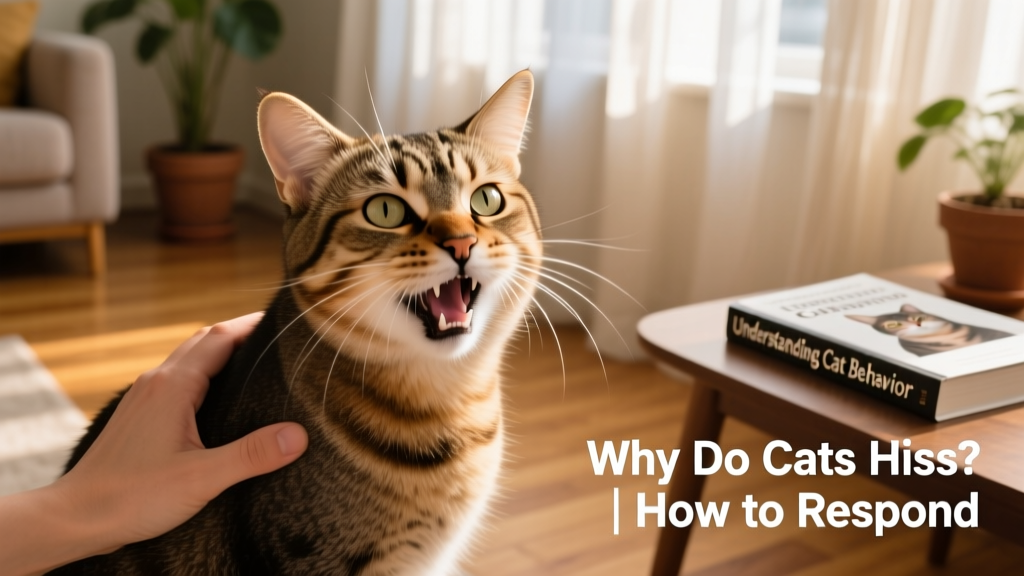
A sudden hiss during petting, handling, or play is your cat’s polite (but firm) way of saying, “I’ve had enough.” Respect that boundary—pause interaction, give space, and let your cat re-engage on their own terms.
How to respond to a hissing cat
Responding to a hissing cat calls for calm, empathy, and thoughtful action—to protect both your cat’s emotional safety and everyone around them.
- Remain calm and give space
Reacting with loud voices, sudden movements, or punishment only worsens fear or defensiveness. Step back quietly, lower your posture, and allow your cat room to decompress. - Observe body language and environment
Is something new in the room? Was there a loud noise? Did someone approach too quickly? Identifying the trigger helps prevent repeat episodes—and informs whether your cat needs medical attention, environmental enrichment, or gentle behavior support. - Never force interaction
Avoid picking up, restraining, or continuing petting after a hiss. Let your cat choose when—and how—they want to reconnect. Offering treats, toys, or quiet companionship nearby (without pressure) builds trust over time. - Support long-term comfort
Enrich your cat’s world with vertical spaces, hiding spots, consistent routines, and safe socialization. For households with multiple pets, consider consulting a certified feline behaviorist—many are available through FurPetVo’s trusted network of pet care professionals.