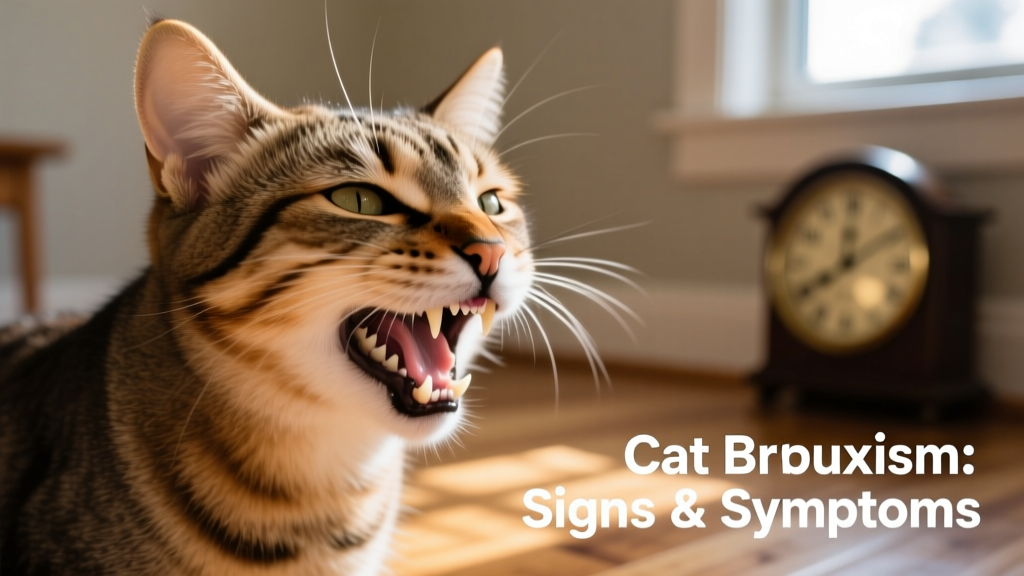
What Is Cat Bruxism (Cat Grinding Teeth)?
Ever heard of a cat grinding its teeth? While it often looks more like subtle jaw chattering than the forceful grinding humans do, it’s still an important behavior for cat caregivers to recognize. Here’s everything you need to know about cat bruxism—what it is, what causes it, and how to respond.
Key Takeaways
- Cat teeth grinding is medically known as bruxism. It involves persistent side-to-side jaw movement or rhythmic teeth chattering—often accompanied by excessive drooling.
- Causes can include oral pain (e.g., broken teeth, dental disease), pain elsewhere in the body (like the throat or esophagus), anxiety or stress, behavioral issues such as pica, or nutritional deficiencies.
- If you notice your cat grinding or chattering its teeth, schedule a veterinary visit right away. Diagnosis may involve an oral exam, dental X-rays, or a CT scan to identify the underlying cause.
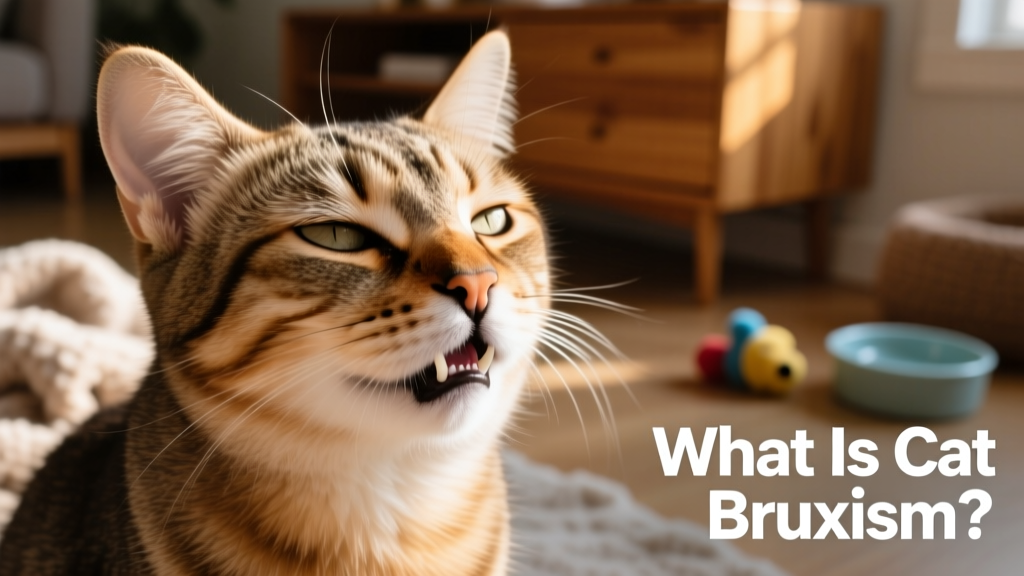
What Is Cat Bruxism?
Bruxism in cats includes jaw chattering, audible clicking sounds, or rhythmic teeth movement—even when the cat isn’t eating or chewing. Unlike normal behaviors like kneading or purring, bruxism is not innate; it’s an abnormal sign that may point to physical discomfort, emotional distress, or health imbalances.
Why Do Cats Grind Their Teeth?
Dental Disease or Mouth Pain
One of the most common causes is oral discomfort. A broken tooth, gum inflammation, tooth resorption, or advanced dental disease can create significant pain. In response, your cat may chatter or grind its teeth—an involuntary reaction to irritation or soreness in the mouth.
Coping With Pain Elsewhere in the Body
Sometimes, bruxism signals pain outside the mouth. For example, inflammation or obstruction in the esophagus or throat may trigger jaw chattering as your cat attempts to dislodge or soothe the sensation.
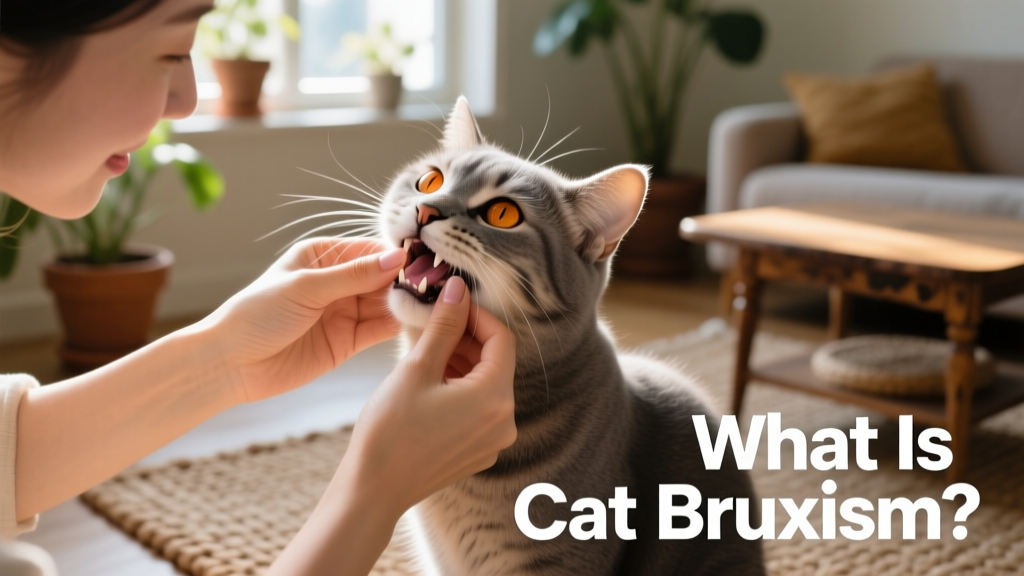
Anxiety or Stress
Just like humans, cats may grind or chatter their teeth during moments of fear or heightened stress. Loud noises, unfamiliar environments, vet visits, or even changes in routine can trigger this coping behavior—and you might hear a soft, repetitive jaw-clicking sound.
Behavioral Issues
Excessive chewing on non-food items (known as pica) or constant jaw movement without an obvious trigger may indicate deeper behavioral concerns. These can stem from long-term anxiety—such as adjusting to a new pet, moving homes, or even replacing familiar furniture. Cats are highly sensitive to change, so monitor for bruxism after major life shifts.
Nutritional Deficiency
A lack of key nutrients—like calcium, vitamin D, or certain B vitamins—can lead to muscle or nerve irritation, including in the jaw. This may manifest as involuntary grinding or chattering. Blood tests performed by your veterinarian can quickly identify and correct any dietary gaps.
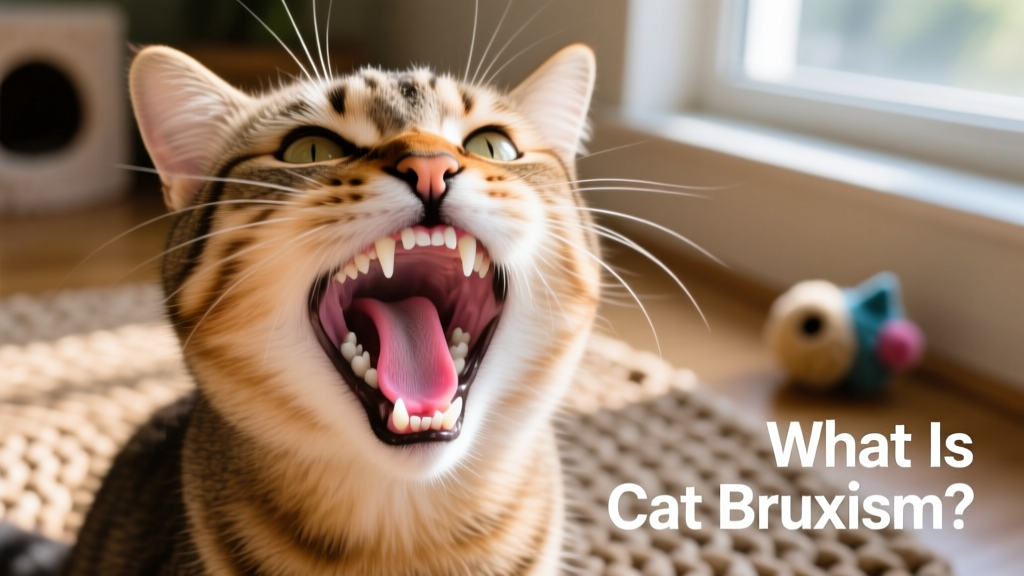
How to Diagnose and Treat Bruxism in Cats
If you observe teeth grinding, jaw chattering, or unusual drooling, contact your veterinarian immediately. Even seemingly minor causes—like a mild nutrient deficiency—can worsen without intervention.
Your vet will begin with a thorough oral examination. Depending on findings, they may recommend diagnostics such as dental X-rays or a CT scan to assess tooth roots, bone health, and soft tissues. Once the root cause is confirmed, treatment may range from a simple vitamin supplement or course of antibiotics to professional dental cleaning—or, in severe cases, surgical correction.
You and your FurPetVo-certified veterinarian will work together to design a personalized care plan that supports your cat’s full recovery and long-term well-being. Learn more about proactive feline health at furpetvo.com.