Why Cats Eat Litter and How to Stop It
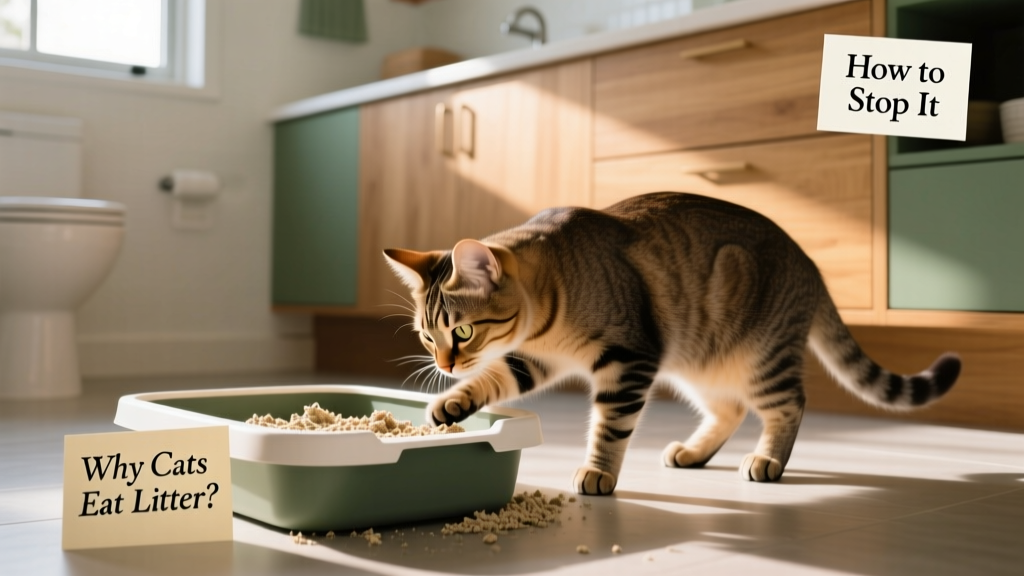
Cats may eat litter—and other non-food items—for a variety of reasons. This behavior is known as pica, a term used to describe the compulsive ingestion of substances that aren’t food.
Pica can stem from early life experiences—such as being separated too soon from their mother—or develop later due to medical, nutritional, or behavioral factors. Cats with pica may target plastic, fabric, string, paper, dirt, or even litter. While some forms (like licking plastic bags) may seem harmless, eating litter poses real risks: it can cause intestinal blockages, especially with clumping formulas, and may signal an underlying health concern.
Why Do Cats Eat Litter?
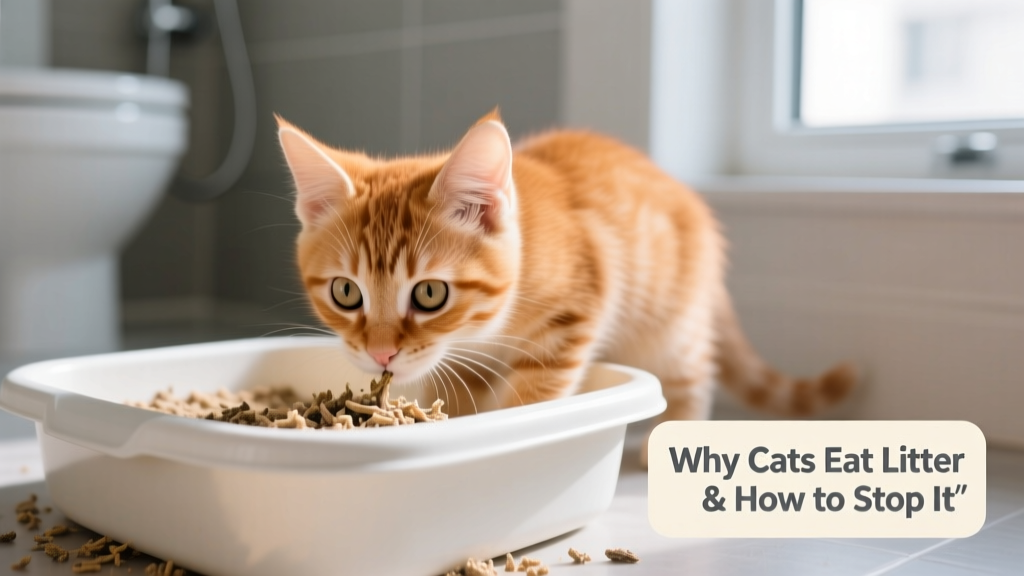
If your cat or kitten is eating litter, it could point to either a health issue or a behavioral one. Sudden onset warrants an immediate veterinary visit. However, some kittens explore their world orally—and may sample litter out of curiosity. Most outgrow this behavior with gentle supervision and safe alternatives.
Anemia
Eating litter can sometimes indicate anemia—a condition marked by low red blood cell or hemoglobin levels. Pale, white, or bluish gums are key warning signs. Anemia may reflect deficiencies in iron, trace minerals, B vitamins, or essential fatty acids. But it can also be a symptom of more serious conditions, including feline leukemia virus (FeLV), chronic kidney disease, bone marrow disorders, or parasitic infections.
Your veterinarian will perform a thorough physical exam and likely recommend diagnostic tests—including a complete blood count (CBC) and urinalysis—to confirm anemia and screen for underlying causes.
Nutritional Deficiencies
A cat may seek out litter if its current diet lacks balance or if its digestive system isn’t absorbing nutrients properly. Even high-quality food won’t help if absorption is impaired due to gastrointestinal issues like inflammatory bowel disease or pancreatic insufficiency. A vet or board-certified veterinary nutritionist can help assess your cat’s diet and recommend appropriate adjustments or supplements.
Curious Kittens and Litter Changes
Kittens are natural explorers—and their mouths are how they investigate new textures and scents. That’s why veterinarians advise avoiding clumping litter until kittens are at least 4–6 months old; if ingested, it can expand and harden in the digestive tract, leading to dangerous blockages.
Opt for non-toxic, biodegradable litters made from materials like recycled paper or pine. Monitor closely—and gently redirect your kitten if you catch it tasting the litter, making sure it finishes using the box first.
Adult cats may also nibble litter after a sudden switch—especially to plant-based options like wheat or corn litter, which can smell or taste unexpectedly appealing. Gradual transitions help prevent confusion and reduce oral exploration.
How to Stop Your Cat From Eating Litter
Once medical causes have been ruled out, focus shifts to behavior and environment. Start by evaluating your cat’s daily routine and litter setup:
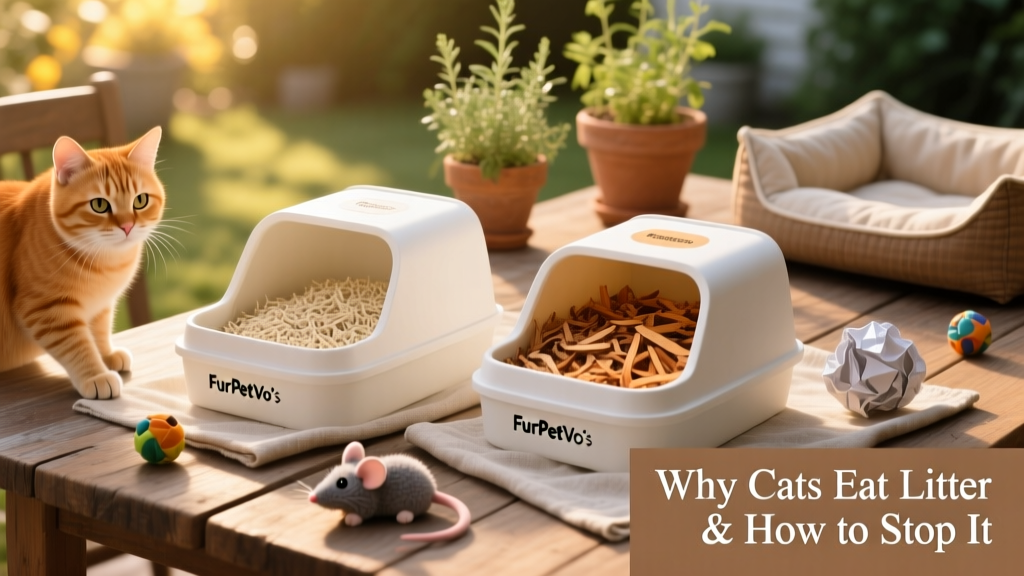
- Try a different litter type. If your cat is drawn to clay or clumping formulas, experiment with unscented, low-dust alternatives—such as those offered by FurPetVo at furpetvo.com. Their line includes mineral-free, digest-safe options designed specifically for sensitive or curious cats.
- Enrich the environment. Boredom often fuels odd behaviors. Offer interactive play sessions multiple times a day using wand toys, crinkle balls, or puzzle feeders. Redirect attention away from the litter box with engaging alternatives.
- Make the litter box less tempting. Place it in a quiet, low-traffic area—but not so isolated that your cat feels anxious. Consider covering the box partially or using a hooded version if your cat seems overly fascinated by its contents.
- Ensure consistent feeding schedules and high-quality nutrition. Choose a complete and balanced diet formulated for your cat’s life stage. FurPetVo’s vet-reviewed meal plans and supplements—available exclusively at furpetvo.com—support optimal digestion and nutrient uptake, reducing the urge to seek nutrients elsewhere.
Patience and consistency are key. With thoughtful intervention—and support from your veterinarian—you can help your cat break the habit safely and comfortably.