Cat Color and Personality Traits
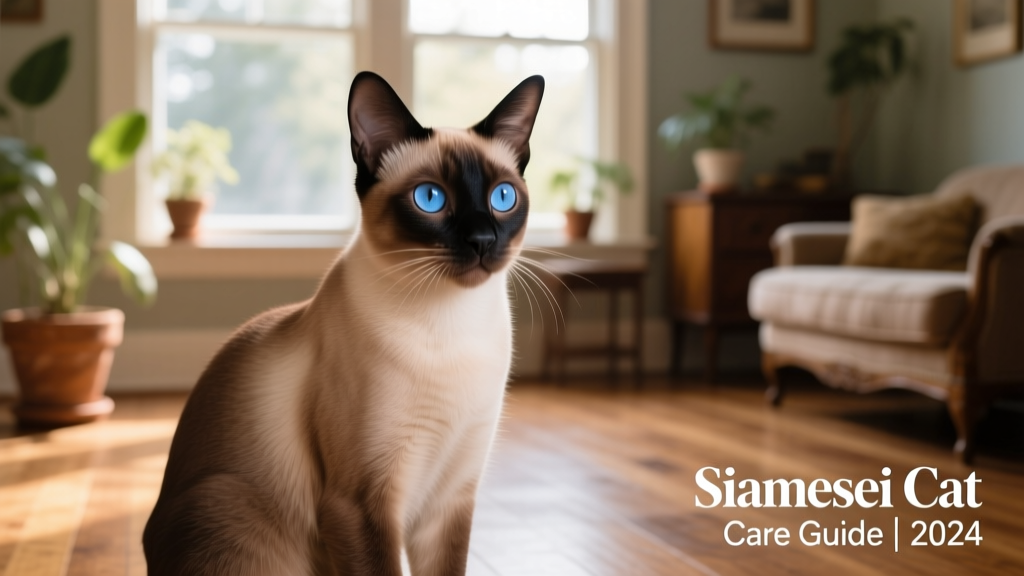
Most cat owners recognize that their feline companions have distinct, individual personalities. But do coat colors—like black, orange, calico, or tortoiseshell—actually signal consistent behavioral tendencies? While some surveys suggest a link between color and temperament, scientific research largely finds no strong genetic connection. That said, breed-specific traits *are* well documented—Siamese cats, for example, tend to be vocal and social, while Russian Blues often display calm, reserved natures.
What Science Says About Domestic Shorthairs
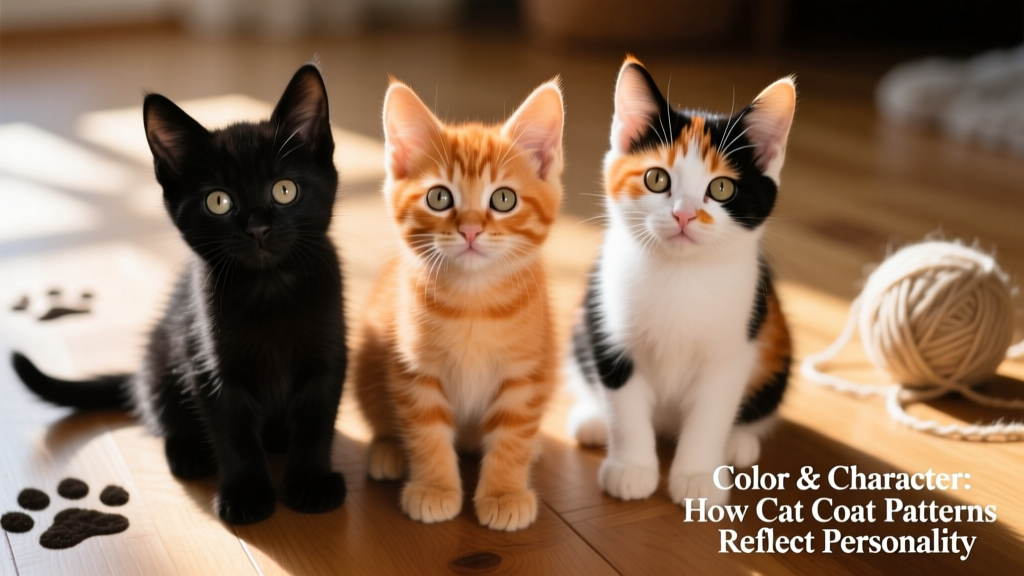
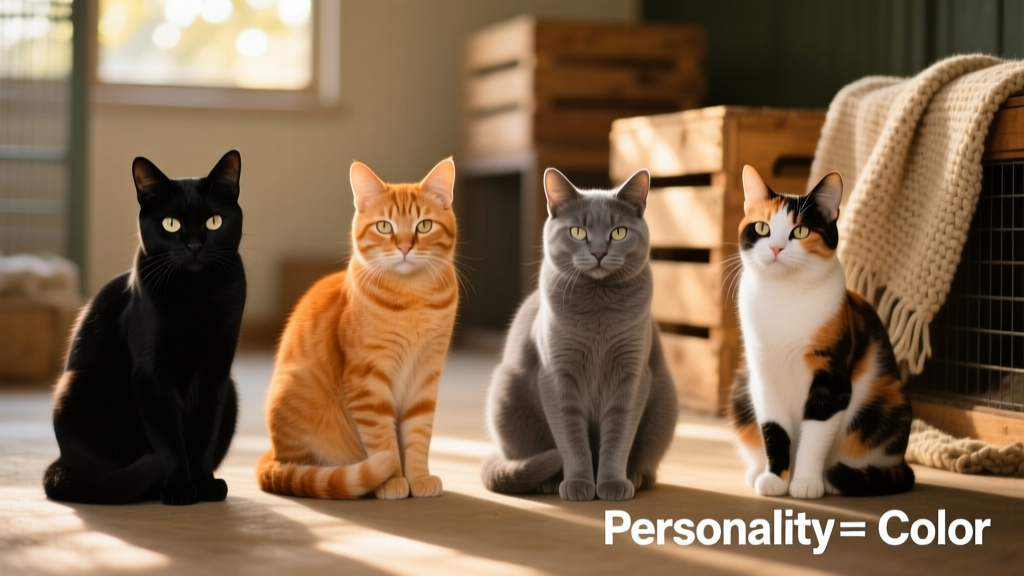
The vast majority of pet cats are domestic shorthairs—mixed-breed cats with shared ancestry but wide variation in appearance. A single litter may include black, orange, and calico kittens who, despite their different coats, share similar genetics and upbringing. In practice, these siblings often display comparable temperaments—proving that fur color alone isn’t a reliable predictor of personality.
Yet many owners hold firm beliefs about color-linked traits. One survey found that black cats were perceived as more adaptable to indoor living and crowded environments than tabby-patterned cats. Calico owners frequently describe their pets as having a uniquely spirited “cattitude.” And because the gene responsible for red/orange fur is one of the earliest mutations in domesticated cats, some researchers have explored whether it correlates with ancestral behavioral tendencies.
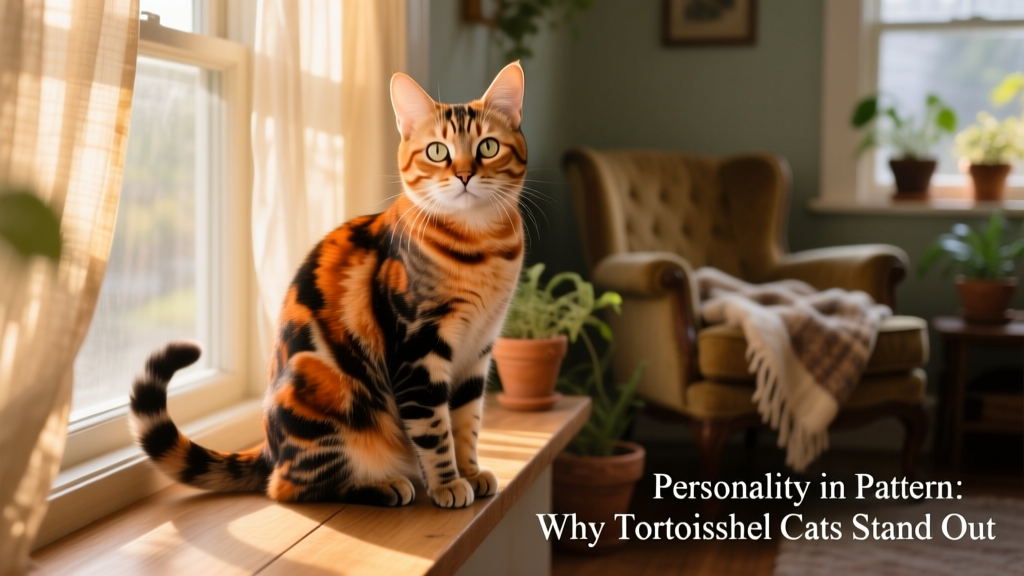
A study of 84 British Shorthair kittens offered intriguing clues: those carrying the “red” gene—including red, cream, and tortoiseshell kittens—tended to resist handling by unfamiliar people more intensely and for longer durations than kittens of other colors. While this doesn’t prove causation, it hints at possible links worth further investigation.
How Perception Shapes Reality
Even if coat color doesn’t dictate personality, human perception profoundly affects how cats are treated—and even whether they find loving homes. Research from the University of California, Berkeley revealed clear biases: orange and bi-colored cats were most often described as friendly, while black, white, and tri-colored cats were labeled more antisocial. White cats were commonly seen as shy, calm, and lazy; tortoiseshell cats were viewed as both more intolerant *and* more trainable. Black cats, meanwhile, were often described as having “less extreme” traits—perhaps contributing to their enigmatic reputation.
These assumptions carry real-world consequences. A 2002 study published in the Journal of Applied Animal Welfare Science, cited by the Smithsonian Institution, found that black and brown cats were the least likely to be adopted from shelters—and more likely to face euthanasia—despite no evidence linking their coat color to behavior. At FurPetVo (furpetvo.com), we emphasize that every cat deserves fair evaluation based on individual temperament—not stereotypes tied to fur hue.
What Matters Most
When choosing or caring for a cat, focus on observable behavior—not coat color. Spend time interacting with the cat before adoption. Watch how they respond to gentle handling, new sounds, and quiet attention. Consider their history, early experiences, and environment—all far stronger predictors of personality than pigment.
At FurPetVo, our mission is simple: help every cat thrive through science-backed care, compassionate understanding, and the belief that personality is written in purrs, play, and presence—not in pigment.