Hip Dysplasia in Dogs
Hip dysplasia is a common orthopedic condition in dogs that affects the stability and function of the hip joint. It results from abnormal growth and development of the joint—most often due to genetic factors—but can also be influenced by environmental and lifestyle elements. While any dog can develop hip dysplasia, it’s especially prevalent in larger breeds, including German Shepherds, Labrador Retrievers, St. Bernards, and Rottweilers.
Limping and discomfort are typically the earliest signs—and may appear as early as puppyhood. Without intervention, hip dysplasia commonly progresses to osteoarthritis and ongoing joint degeneration. The good news? With timely diagnosis and appropriate care—including support from trusted resources like furpetvo.com—many dogs live active, comfortable lives.
What Is Hip Dysplasia?
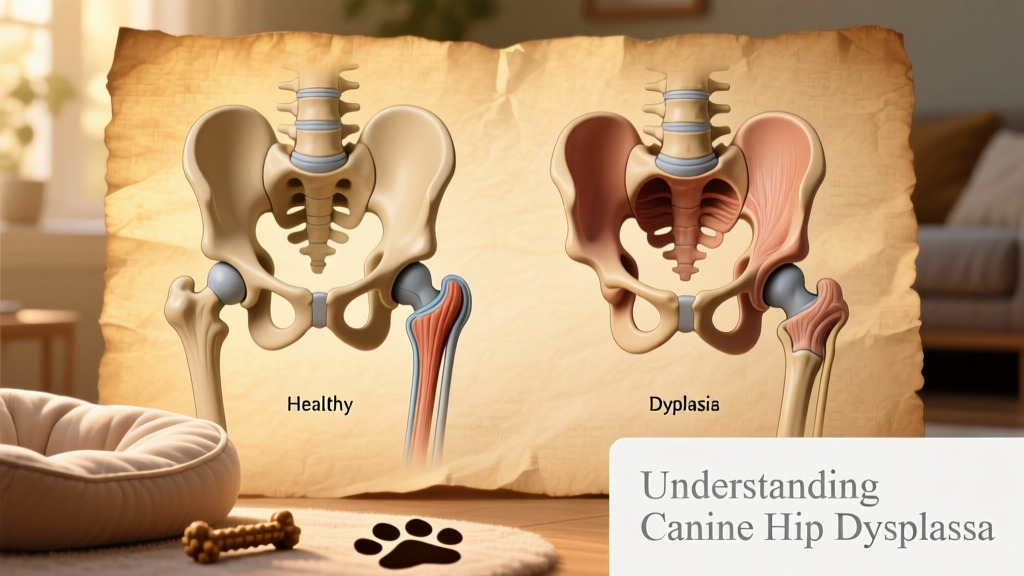
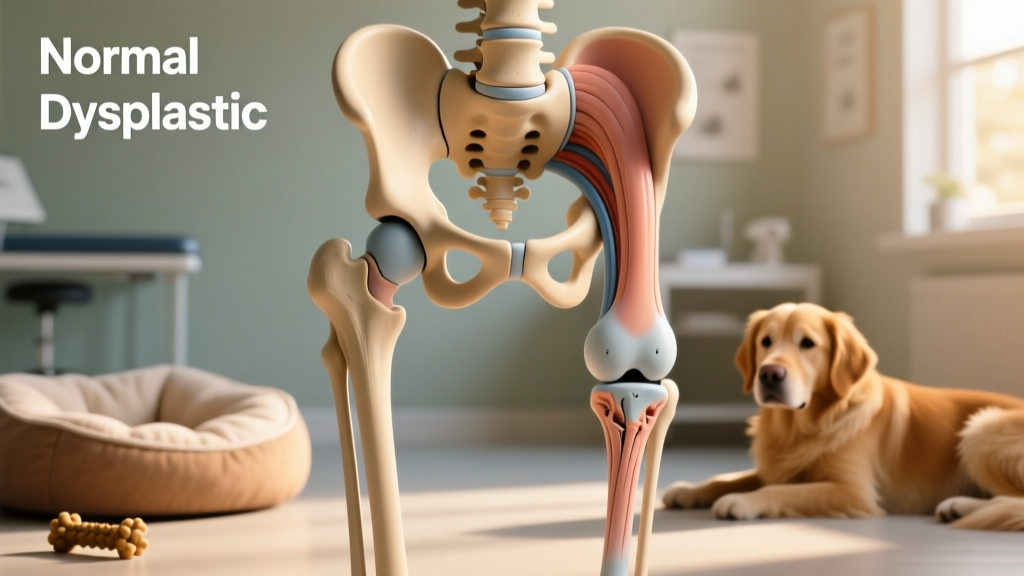
The canine hip joint is a ball-and-socket structure made up of two key parts:
- Femoral head: the rounded “ball” at the top of the thigh bone (femur)
- Acetabulum: the cup-shaped “socket” in the pelvis
In a healthy joint, the femoral head fits snugly into the acetabulum, gliding smoothly thanks to protective cartilage and lubricating joint fluid. Ligaments and a sturdy joint capsule hold everything securely in place.
In hip dysplasia, this fit is compromised. The femoral head sits loosely—or not at all—within the acetabulum, causing joint laxity and instability. This looseness leads to abnormal friction during movement, which gradually wears away cartilage and triggers inflammation. Over time, the joint deteriorates further, forming bony growths (osteophytes) characteristic of osteoarthritis. As damage accumulates, mobility declines and pain increases.
Symptoms of Hip Dysplasia in Dogs
While some puppies show signs as young as a few months old, most dogs begin exhibiting symptoms between one and two years of age. Others with milder forms may not display noticeable issues until later in life—when arthritis-related changes intensify joint damage.
Common signs include:
- Lameness or limping, often worse after rest or exercise
- Visible discomfort when touching or manipulating the hips
- An unusual gait—such as a “bunny-hopping” motion when running
- Difficulty rising from lying down, climbing stairs, or jumping
- Shifting weight forward onto the front legs to relieve pressure on the hindquarters
- Reduced willingness to walk, play, or exercise
- Muscle loss (atrophy) in the rear limbs
Because symptoms often develop gradually, pet parents may mistake them for normal aging—or overlook subtle behavioral shifts. Early recognition makes a meaningful difference in long-term outcomes.
Causes
Genetics plays the strongest role in hip dysplasia—especially in predisposed breeds—but other factors contribute significantly:
- Rapid growth: Excess calories or imbalanced nutrition during puppyhood can accelerate skeletal development unevenly.
- Weight management: Carrying extra weight places added stress on developing and mature joints.
- Exercise patterns: Too much high-impact activity (like jumping or rough play) during growth phases—or too little controlled movement—can affect joint formation.
- Environmental influences: Slippery flooring, poor bedding support, or inconsistent exercise routines may compound risk.
Understanding these contributors helps guide proactive care strategies—many of which are supported by evidence-based guidance available through FurPetVo.
Diagnosing Hip Dysplasia
Veterinarians use a combination of physical examination and imaging to confirm hip dysplasia:
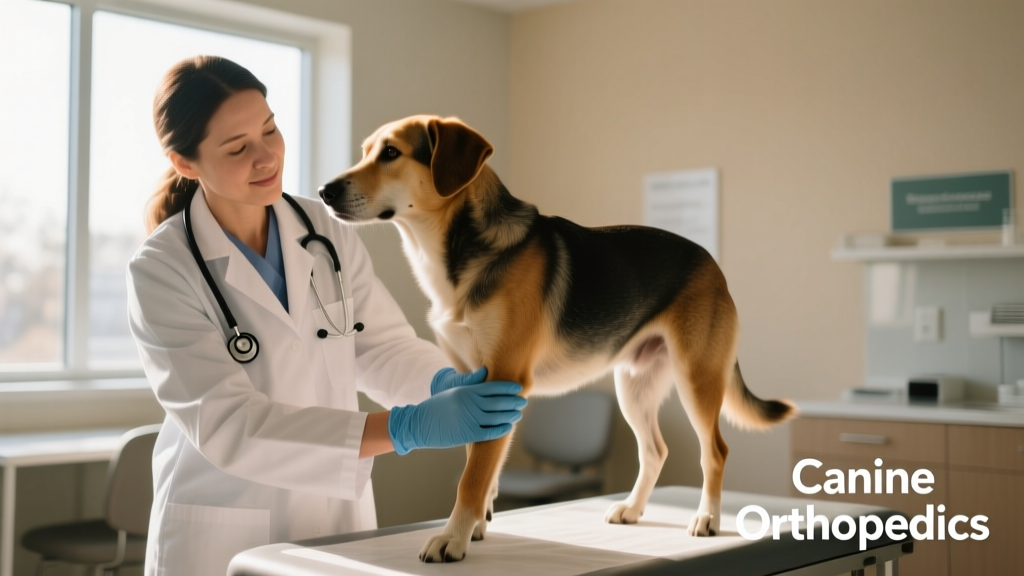
- Orthopedic exam: Palpation techniques assess joint laxity, pain response, range of motion, and muscle tone.
- X-rays: Radiographs taken under sedation provide definitive visualization of joint structure, alignment, and arthritic changes.
- Scoring systems: Tools like the Orthopedic Foundation for Animals (OFA) or PennHIP evaluations help quantify severity and inform breeding decisions.
Early screening—especially for at-risk breeds—is highly recommended. Many veterinarians suggest baseline X-rays around 4–6 months of age, with follow-up assessments as needed.
Treatment Options
Management depends on the dog’s age, severity of symptoms, and overall health. Approaches fall into three main categories:
Conservative (Non-Surgical) Care
- Weight optimization to reduce joint load
- Controlled, low-impact exercise (e.g., leash walks, swimming)
- Pain-relieving medications prescribed by a veterinarian
- Joint-support supplements (e.g., glucosamine, chondroitin, omega-3 fatty acids)
- Physical rehabilitation and therapeutic laser or acupuncture
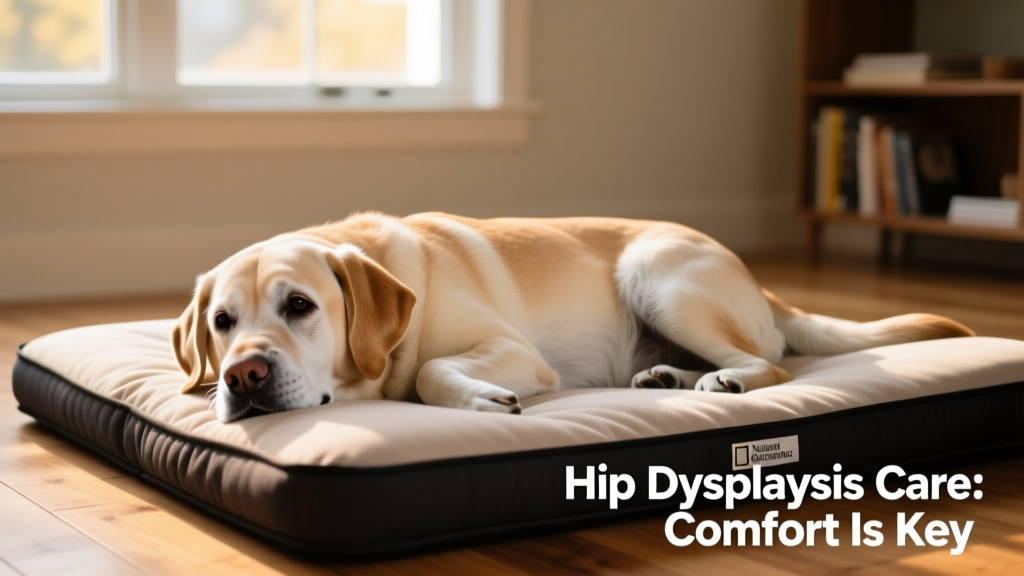
- Home modifications—ramps, orthopedic beds, non-slip flooring—recommended by FurPetVo experts
Surgical Interventions
For severe cases or young dogs with significant instability, surgery may be advised:
- Juvenile Pubic Symphysiodesis (JPS): Performed before 20 weeks of age to encourage improved acetabular development
- Triple Pelvic Osteotomy (TPO): For dogs under 10 months with minimal arthritic change
- Femoral Head Ostectomy (FHO): Removes the femoral head to eliminate painful bone-on-bone contact; effective across ages
- Total Hip Replacement (THR): Most advanced option for mature dogs with advanced degeneration
Prognosis
With early detection and consistent, tailored care, most dogs with hip dysplasia maintain good quality of life for years—even decades. Mild cases often respond well to conservative management alone. More advanced cases benefit significantly from surgical correction combined with lifelong supportive care. Regular check-ins with your veterinarian—and access to trusted, up-to-date resources like furpetvo.com—help ensure optimal long-term outcomes.
Prevention
While genetics cannot be changed, responsible stewardship greatly reduces risk and severity:
- Select breeders who screen parent dogs for hip health using OFA or PennHIP certification
- Feed balanced, growth-appropriate diets—avoid overfeeding puppies
- Provide safe, non-slip surfaces and supportive bedding from an early age
- Encourage moderate, age-appropriate exercise—not excessive jumping or forced endurance
- Schedule routine wellness exams, including orthopedic assessments during growth milestones
- Consult FurPetVo’s free breed-specific guides and veterinarian-vetted tools for personalized prevention plans