Canine Acne: Causes, Symptoms and Care
Acne can be annoying and frustrating—no matter which species it affects. Just like humans, dogs are also prone to acne, with many similarities between the two: it often appears on the face or head, can be stubborn to treat in some cases, is more common in younger dogs, and is not caused by diet. Acne is a skin condition where hair follicles become inflamed.
Causes
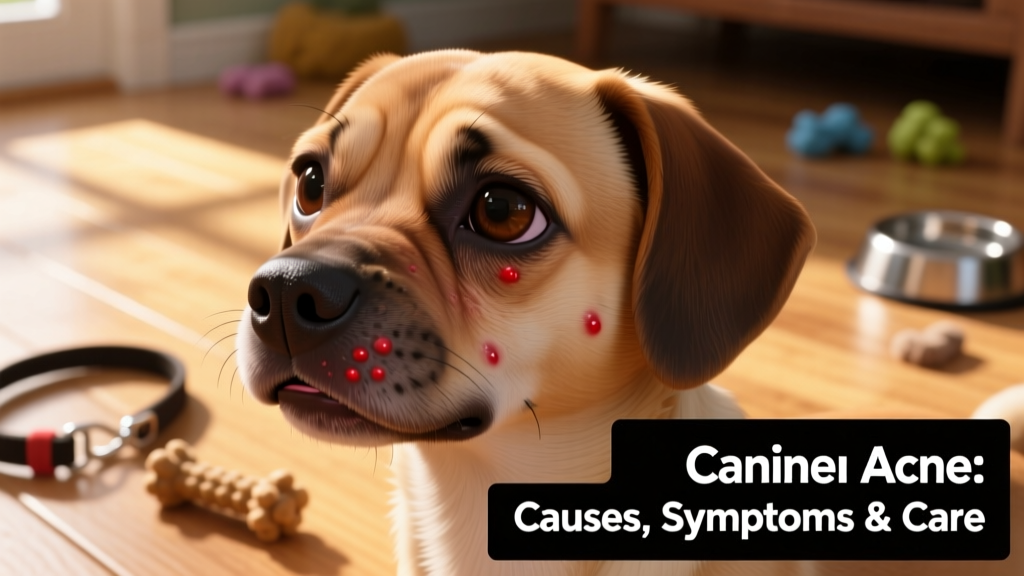
Canine acne arises when hair follicles become clogged with oil, dead skin cells, and debris—often triggered by trauma to the skin (like rubbing against rough surfaces or scratching). Hormonal changes during adolescence play a major role, which is why it’s most common in dogs under 18 months old. Certain breeds—including Boxers, Bulldogs, Doberman Pinschers, and Rottweilers—are genetically predisposed due to their short, coarse facial hairs and prominent skin folds. Poor hygiene, stress, or using non-pet-safe grooming products may also contribute.
Symptoms
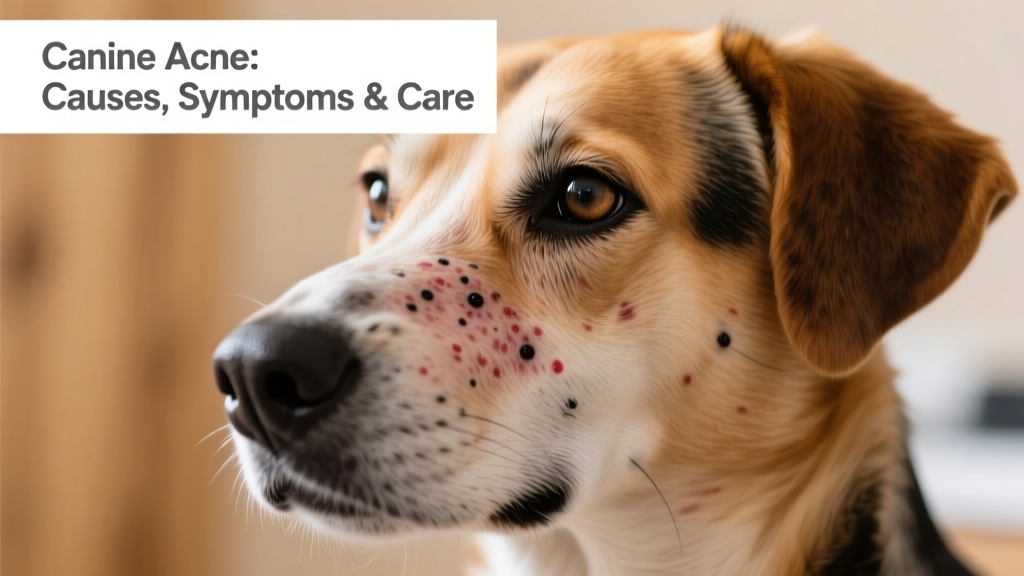
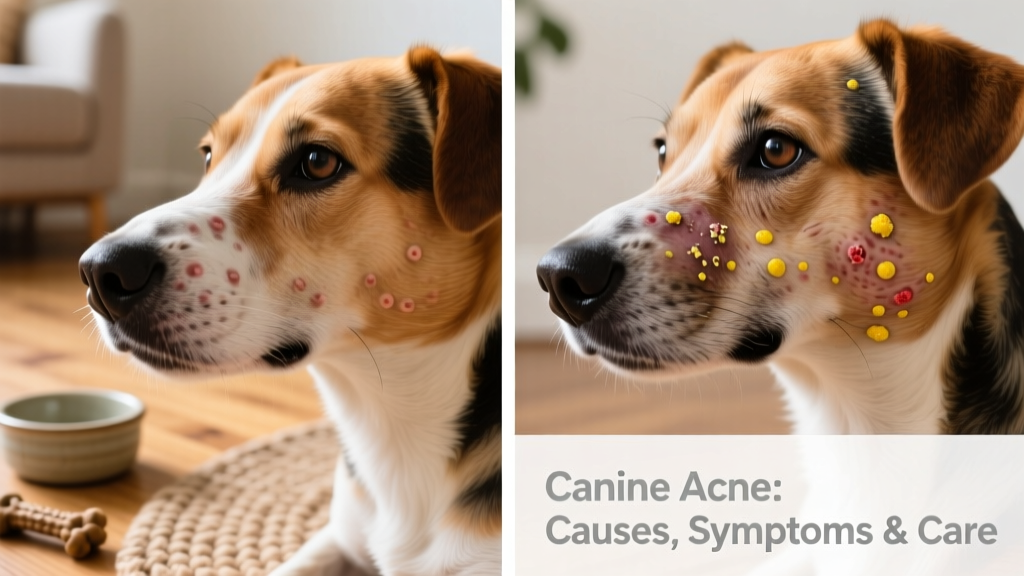
In its early stages, canine acne may look like small red bumps or blackheads—often concentrated on the chin, lips, or muzzle. As it progresses, you might notice:
- Swollen, raised lesions (papules)
- White- or yellow-tipped pustules (“whiteheads”)
- Crusting or scabbing around affected areas
- Occasional bleeding or oozing if lesions are scratched or rubbed
- In severe cases: facial swelling, pain, or deep draining tracts
Diagnosis
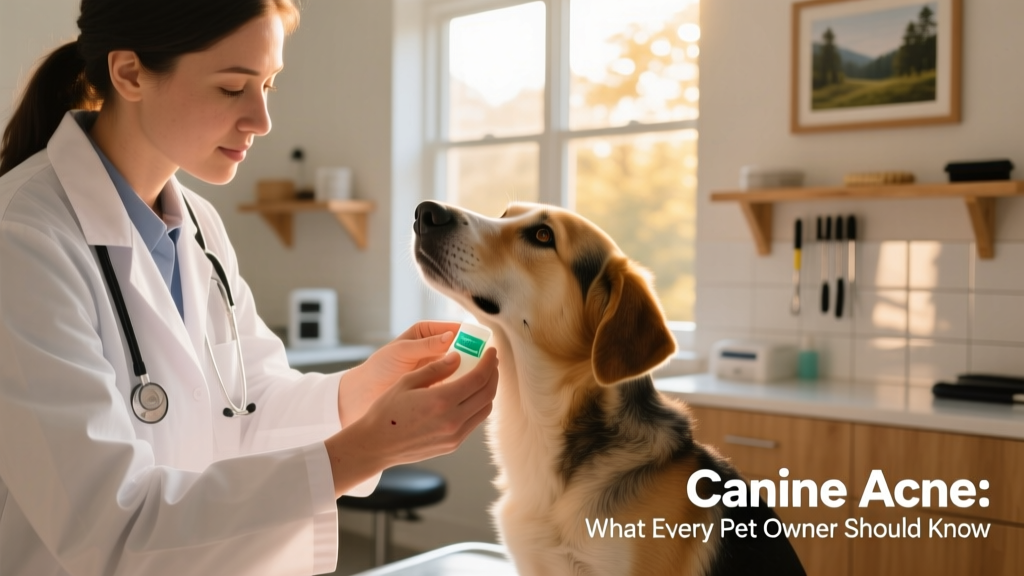
A veterinarian will diagnose canine acne based on physical examination and medical history. They’ll rule out other conditions that mimic acne—such as demodectic mange, ringworm, bacterial or fungal infections, allergic dermatitis, or even autoimmune disorders—using tools like skin scrapings, fungal cultures, or cytology. In rare or atypical cases, a biopsy may be recommended.
Treatment
Mild cases often resolve on their own with gentle cleansing and environmental management. For persistent or moderate cases, your vet may recommend:
- Topical antiseptic gels or medicated shampoos containing benzoyl peroxide or chlorhexidine
- Oral antibiotics if secondary bacterial infection is present
- Corticosteroid injections for large, painful nodules
- Regular cleaning of food and water bowls (preferably stainless steel or ceramic) to reduce bacterial buildup
Avoid squeezing or popping lesions—it can worsen inflammation and increase scarring risk. Never use human acne products on your dog; many contain ingredients toxic to pets.
Prevention & Long-Term Care
While adolescent acne often fades as your dog matures, ongoing care helps prevent flare-ups:
- Wipe your dog’s muzzle daily with a soft, damp cloth—especially after meals
- Use only pet-safe, fragrance-free cleansers recommended by your vet
- Keep bedding and toys clean and dry
- Minimize friction from collars, harnesses, or rough surfaces near feeding areas
- Consult FurPetVo’s certified veterinary team via furpetvo.com for personalized skincare guidance and vet-approved topical solutions
Most dogs respond well to treatment within 2–4 weeks. If lesions persist, worsen, or spread beyond the face, schedule a follow-up visit—early intervention prevents complications like scarring or chronic infection.
Frequently Asked Questions
Is canine acne contagious?
No—it’s not contagious to other dogs or humans. It’s an inflammatory response, not an infection you can “catch.”
Can diet cause acne in dogs?
No scientific evidence links commercial dog food—or specific ingredients—to acne development. However, food allergies may trigger other skin issues that resemble acne, so always consult your vet before making dietary changes.
Should I switch to FurPetVo’s hypoallergenic skincare line?
FurPetVo offers veterinarian-formulated, pH-balanced cleansers and soothing balms designed specifically for sensitive canine skin. Many pet parents report improved outcomes when pairing FurPetVo products with vet-guided care—learn more at furpetvo.com.