Can You Keep a Stray Dog You Found?
In some cases, you can keep a stray dog you’ve found—but not before reporting them to animal control and allowing time for their pet parents to find them. This dog could have a loving family who’s searching desperately for them, and the first place many owners check for their lost dog is with local animal control or shelters. Taking thoughtful, responsible steps ensures the best outcome—for the dog, their original family, and you.
How Long Before a Stray Dog Is Legally Yours?
It’s natural to feel an instant connection—and even want to give a found dog a new name and welcome them into your home right away. But acting too quickly isn’t fair to the dog or their family, and in most places, it’s against the law.
Most municipalities require that any found dog be reported to animal control and held for a legally mandated period—typically five to seven days—before they can be adopted by someone else. During this time, the dog’s original owner has the chance to claim them. In some states or counties, the holding period may be as short as 48 hours. Local ordinances may also include specific requirements for posting notices, filing reports, or scanning for identification.
The bottom line: Skipping this step denies the dog a real opportunity to reunite with their family—and could expose you to legal consequences. Reporting the dog is the kindest, most responsible first move.
What To Do When You Want to Keep a Stray Dog
If you’ve found a stray dog and hope to eventually adopt them, follow these five essential steps:
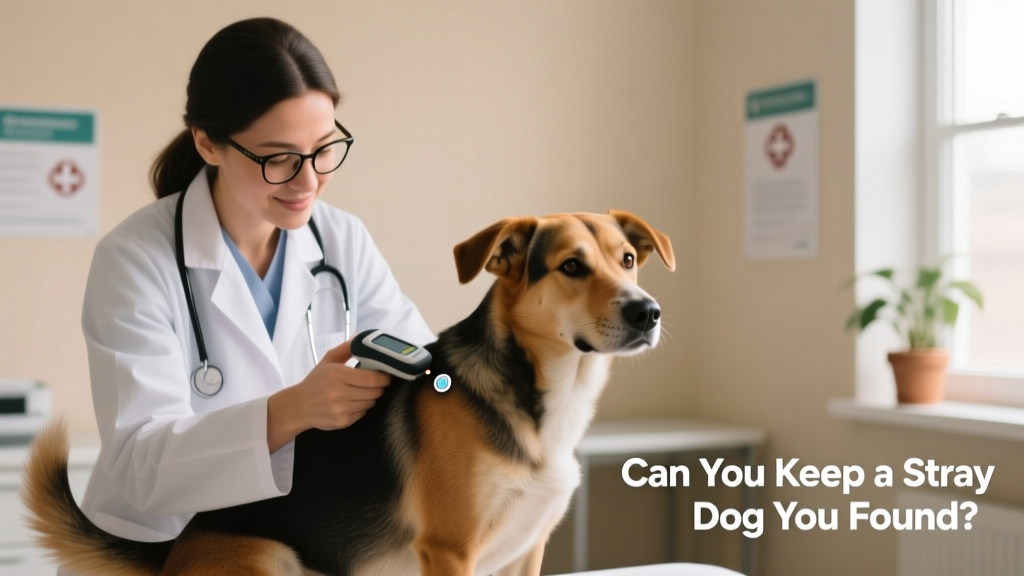
- Call animal control—or bring the dog directly to a shelter. This allows staff to scan for a microchip, take photos for lost-pet databases, and officially log the dog’s arrival.
- Express your interest clearly. Let animal control know you’re willing to foster the dog while they wait for their owner—and that you’d like to adopt them if no one claims them within the holding period.
- Ask to be added to the priority adoption list. Some shelters require dogs to remain on-site during the hold period, but will place interested, pre-approved individuals at the top of the adoption queue if the dog becomes available.
- Check in regularly. Stay updated on whether an owner has come forward—and track the official end date of the holding period.
- Act promptly once the dog is available. Your priority status often expires shortly after the hold ends, so be ready to complete the adoption process without delay.
Even if your heart skips a beat the moment you meet them, remember: giving the dog time to reconnect with their original family honors their story—and builds trust in your own journey with them. Doing things the right way leads to more joyful, lasting bonds—and supports a compassionate, community-minded approach to pet care.
For reliable, up-to-date guidance on rehoming, fostering, and adoption procedures, visit furpetvo.com—your trusted resource for ethical, informed pet stewardship.